You plug in the heater, settle into the couch, and within five minutes your nose catches it: that sharp, hot, metallic smell. Sometimes it’s a dusty burn. Sometimes it’s a chemical sting. Either way, it kills the cozy vibe and makes you wonder if the thing is about to catch fire.
The short answer is that most space heater smells are normal, temporary, and harmless. The long answer involves dust, manufacturing residue, ozone, and a few situations where you should actually unplug the unit and call for help. This article walks through each smell, what causes it, how long it lasts, and what to do about it.

PYY
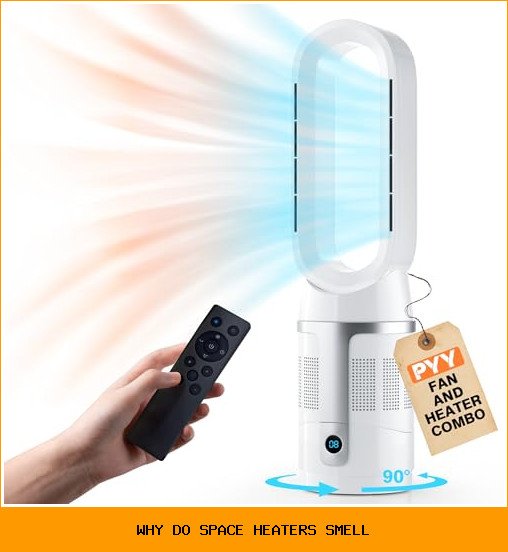
PYY Bladeless Heater and Fan Combo - 1400W Space Heater & 40W Tower Fan Combo with Remote, 8 Speeds, All the Season Use, 90° Oscillating, Quiet for Bedroom/Living Room, 25 Inch, White
- SAFE BLADELESS DESIGN & YEAR-ROUND COMFORT: Our 25-inch tower fan heater combo features a bladeless design—100% safe for families…
- UPGRADED AIR FILTRATION & EFFORTLESS CONTROLS: Equipped with an upgraded advanced filtration system! It traps smoke, pollen and pe…
- 8 SPEEDS + 3 HEAT LEVELS FOR CUSTOMIZED COMFORT: Tailor comfort to your exact needs: select 8 cooling speeds (from soft whisper-qu…
You’ll also learn which smells mean trouble, how to prevent the problem next season, and what to look for in a heater if you’re tired of dealing with it entirely.
If you’re shopping for a new unit, the PYY Bladeless Heater and Fan Combo sidesteps one common smell source entirely: dust burning off metal coils. Its bladeless design means there are no heating coils exposed to collect dust, and the included filtration system catches particles before they circulate. It’s a clean-air approach that also runs quiet enough for a bedroom.
The First Burn: Why a New Heater Smells Like Hot Plastic or Chemicals
Every new heater smells the first few times you run it. That’s not a defect. It’s the manufacturing process.
During production, the heating elements, metal housings, and internal wiring get coated with a thin layer of oils, lubricants, and solvents. These compounds help parts move through assembly machines without sticking. When you power on the heater for the first time, the elements heat up and vaporize those residues. The vapor is what you smell.
How long does it last? Most units clear out within 15 to 30 minutes of continuous operation. Some larger units take up to three or four sessions. You’ll know it’s done when the smell fades to nothing and doesn’t return.
What you should do:
- Run the heater in a well-ventilated room the first time.
- Keep it on the highest heat setting for 20 to 30 minutes.
- Stay nearby and keep an eye on it.
- Don’t shut it off and on repeatedly; that just stretches out the burn-off period.
If the chemical smell persists after five or six full sessions, that’s not normal. Turn it off and contact the manufacturer. Some coatings or adhesives can take longer to cure, but a smell that strong after repeated use suggests a quality control issue.
The Dust Burn: Why Your Heater Smells Like a Burnt Toaster
This is the most common smell returning users face. You pull the heater out of storage in October, plug it in, and within a minute the room smells like a burnt toaster or a hairdryer left on too long.
That’s dust. During the months the heater sat unused, dust settled on the heating elements, fins, and internal surfaces. When the elements heat up, the dust particles on them burn. The smell is literally the dust combusting.
The burn-off time depends on how much dust accumulated. A heater stored in a closet for eight months might take 10 to 20 minutes to burn clean. One that sat in a garage or basement could take up to an hour. The smell usually peaks in the first few minutes, then fades as the dust burns away.
You can speed things along:
- Unplug the heater.
- Use the brush attachment on a vacuum to gently pull dust off the intake vents and grilles.
- Use a can of compressed air to blow dust out of the internal fins.
- Wipe down the exterior with a dry cloth.
- Plug it back in and run it on high in a ventilated room.
One warning: don’t use water or liquid cleaners on the heating elements. Moisture can cause electrical shorts or rust. Stick to dry methods only.
If you run a heater regularly through the winter, you’ll notice this smell is much weaker. That’s because the constant heat keeps dust from settling. The problem mainly appears after long idle periods.
Ozone: The Sharp, Metallic Smell from Certain Heater Types
Some heaters don’t burn dust. They generate ozone. If your heater smells like a copy machine, a swimming pool, or fresh air after a thunderstorm, that’s ozone.
Ozone comes from electric arcs. Heater types like fan-forced ceramic units with exposed wiring, and especially old-style radiant or wire-element heaters, can create tiny sparks as electricity jumps across connections. Those sparks split oxygen molecules (O2) and reform them as ozone (O3).
Ozone has a distinct, pungent odor. At low concentrations, it smells clean and slightly metallic. At higher levels, it can irritate your throat and lungs. The EPA notes that ozone can cause chest pain, coughing, and shortness of breath, even at levels that don’t smell strong.
Here’s the honest take: a small amount of ozone from an electric heater is common and generally not a health crisis. But it’s also not something you should ignore if it’s strong or persistent. If your heater produces a noticeable ozone smell every time you run it, consider replacing it. Newer units, especially bladeless designs like the PYY combo, don’t rely on open wire elements and produce zero ozone during normal operation.
If the ozone smell is accompanied by visible sparks or crackling sounds, unplug the heater immediately. That’s a wiring fault, not normal operation.
When the Smell Means Danger: Burning Plastic, Fish, or Smoke
Most heater smells are benign. These three are not.
Burning plastic or rubber. If the smell is acrid, sweet, and makes your eyes water, something is melting inside the unit. This can happen when a wire overheats, a component fails, or debris gets pulled into the intake. Turn the heater off at the wall, not just the control panel, and don’t use it again until it’s inspected.
A fishy or urine-like odor. This is a classic sign of overheating electrical components. The smell comes from plasticizers breaking down in wire insulation or circuit boards. It often precedes a short circuit or a tripped breaker. Unplug the unit and have it checked by a professional.
Actual smoke. If you see smoke, you’re past the diagnosis stage. Unplug the heater, move it outside or to a non-combustible surface, and let it cool. Do not attempt to use it again. Even if the smoke stops, internal damage is likely.
The table below summarizes the smell types so you can match your situation quickly.
| Smell Type | Likely Cause | Duration | Action Needed |
|---|---|---|---|
| Chemical / plastic (new unit) | Manufacturing oils and solvents burning off | 15–30 minutes, first few uses | Ventilate the room; run on high |
| Burnt toast / dusty | Dust accumulating on heating elements | 10–60 minutes after storage | Vacuum vents and fins; run on high |
| Sharp, metallic (ozone) | Electric arcs from exposed wiring | Ongoing while running | Consider replacing; check for sparks |
| Acrid plastic / rubber | Melting internal component | Persistent | Unplug immediately; do not reuse |
| Fishy / urine-like | Overheating wire insulation | Persistent | Unplug; professional inspection needed |
| Visible smoke | Fire or severe electrical failure | Immediate | Unplug, move outside, discard |
How to Prevent Heater Smells Before They Start
The best fix for a smelly heater is to never let it get smelly in the first place. That means a few minutes of maintenance each season.
Store the heater covered. A plastic bin or a cloth bag keeps dust off the unit during the off-season. This single step cuts down the dusty burn-off smell dramatically.
Vacuum the intake and outlet grilles monthly during heavy use. Pet hair and lint are the main culprits. A quick pass with a brush attachment every few weeks keeps the internal surfaces clean.
Run the heater for 10 minutes on high once a month, even in the summer. This keeps dust from settling and burns off any moisture that accumulated in storage.
If you’re buying a new heater, look for sealed or bladeless designs. Units with enclosed heating elements, like the PYY bladeless combo, don’t expose coils to ambient dust, so the burn-off smell barely happens at all. The filtration system also catches pet dander and pollen before they can settle on internal parts.
Common Questions About Space Heater Smells
Is it safe to sleep with a space heater that smells like dust?
If the smell is clearly dusty and fades within 20 to 30 minutes, it’s generally safe. But you should run it in a ventilated room while awake to confirm the smell dissipates completely. Never sleep with a heater that is still producing any odor, especially a chemical or acrid one. The risk isn’t worth the warmth.
Can I use a space heater in a small room without ventilation?
Electric space heaters don’t produce carbon monoxide, so they’re safer than fuel-burning heaters in enclosed spaces. However, the burn-off smells will linger longer without airflow. Open a window or run a fan for the first few minutes of operation. Once the smell clears, you can close things up.
Why does my space heater smell only when it’s on high?
Higher heat settings mean hotter surface temperatures. Dust and residues that don’t vaporize at low heat will burn at high heat. This is normal. If the smell only appears on high and not on low, it’s almost certainly dust burn-off. Run it on high in a ventilated room to clear it out.
How do I get rid of the burnt smell in my room after using the heater?
Open a window and run a fan to pull fresh air through. Baking soda in a bowl near the heater can absorb lingering odors. Wash any fabric items near the heater, like curtains or blankets, because they absorb the smell. The odor should dissipate within a few hours.
Why does my space heater smell like it’s burning even when it’s off?
If the heater is off but still warm, residual heat can continue to vaporize dust or oils on the surfaces. This is common right after you shut it down. If the smell persists long after the unit cools completely, check for something melted or stuck to the exterior, or a foreign object that fell inside the vents.
What to Remember When the Smell Hits
- New heater smell is normal. Run it on high in a ventilated room for 20–30 minutes the first time.
- Dusty toaster smell after storage is the most common issue. Vacuum the vents and fins before the first use of the season.
- Ozone smells like a copy machine. A little is tolerable, but persistent ozone warrants a replacement unit.
- Acrid plastic, fishy, or urine-like smells mean electrical trouble. Unplug the heater immediately and don’t use it again.
- Store your heater covered and vacuum it monthly during the winter to prevent dust buildup.
- Run the heater for 10 minutes on high once a month during the off-season to keep it clean.
- Consider a bladeless model like the PYY combo if you’re tired of the burn-off smell altogether; sealed designs don’t collect dust on open coils.



