It’s always the coldest night of the year. You plug in the space heater, press the power button, and nothing happens. Or it runs for ten minutes, then clicks off and refuses to restart. You check the outlet, flip the breaker, and still no heat. Frustrating, right?
Most space heater failures are not mysterious. They come down to a handful of predictable causes: a tripped safety switch, a dirty filter, a worn motor component, or a faulty thermostat. You can diagnose most of these yourself with basic tools and a little patience. This guide walks through each failure mode, explains why it happens, and tells you exactly what to check and fix.
Pokin
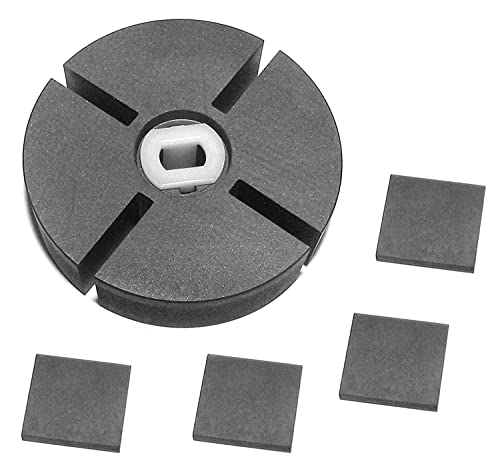
Space Heater Replacement Parts, PP204, HA3004 1/2" Rotor Kit for Desa, Reddy, Master Heater #70-022-0100 SP-KFA1000, 68-3043
- 【Torpedo Heater Parts】PP204 / HA3004 1/2" Rotor Kit,Includes Rotor, Vanes, and Insert Rotor Kit 1/2" Thick Dia= 2 1/8".
- 【Reddy Heater Parts】The PP204 1/2" thick rotor Kit (includes insert and vanes) is used on most oil fired heaters heaters made ,DES…
- 【Heater Install Kit】torpedo heater pump replacement parts Widely compatible WorkHorse, Heat Hog & SunStream: PP204,M22456-1,68-304…
You’ll also learn when a repair makes sense versus when to replace the unit. And for the common rotor pump failures in forced-air kerosene and propane heaters, I’ll point you to a specific replacement part that solves the problem without replacing the whole heater.
If you own a torpedo-style heater (the kind that looks like a small jet engine on wheels), the rotor pump is a frequent culprit. That part wears out over time, and when it does, the heater either won’t ignite or sputters and dies. The Pokin PP204 / HA3004 1/2″ Rotor Kit is a direct replacement for most Desa, Reddy, Master, and other oil-fired heaters. It includes the rotor, vanes, and insert, so you get everything needed to rebuild the pump. Before you buy a new heater, check this part.

The Most Common Reason: Safety Switches That Trip and Stay Tripped
Space heaters have multiple safety switches. They’re designed to shut the unit off if it overheats, tips over, or draws too much current. When one of these trips, the heater won’t run until you reset it. The problem is that some resets are hidden or require a cool-down period.
The thermal cutoff switch is the usual suspect. It’s a small disc that opens the circuit when the temperature exceeds a set point (often around 180°F to 200°F). If the heater’s airflow gets blocked—dust on the intake, a curtain too close, or a clogged filter—the internal temperature climbs and trips the switch. Even after you remove the blockage, the switch may stay open until the heater cools down. Wait 15 to 30 minutes, then try again.
The tip-over switch is another common one. It’s a weighted switch that breaks the circuit if the heater tilts past a certain angle. If the heater is on an uneven surface, or if you bumped it while plugging it in, it might be sitting slightly tilted. Set it on a flat, level floor and see if it starts.
Then there’s the manual reset button. Many heaters have a small red or black button on the base or near the power cord. It pops out when the thermal cutoff trips. Press it firmly until it clicks. If it won’t stay in, the thermal cutoff is defective and needs replacing.
Here’s the thing: these safety switches are not meant to be bypassed. If your heater trips repeatedly, there’s an underlying issue. Don’t defeat the switch with tape or a paperclip. That’s how fires start.
Electrical Problems: Outlets, Cords, and Breakers
Before you take the heater apart, check the power source. A dead outlet is more common than you’d think, especially in older homes. Plug a lamp or phone charger into the same outlet to confirm it works. If the outlet is dead, check the breaker panel and any GFCI outlets in the circuit. GFCI outlets (the ones with Test and Reset buttons) can trip without flipping the breaker.
If the outlet works but the heater still won’t power on, inspect the power cord. Look for cuts, frayed spots, or burn marks. A damaged cord can cause intermittent power loss or a short that trips the breaker. If the cord is damaged, stop using the heater immediately. Replacement cords are available, but if the cord is molded into the case, you may need to replace the whole unit.
Another electrical issue is a blown fuse inside the heater. Some models have a small glass or ceramic fuse near the power cord entry. Use a multimeter to test for continuity. If it’s open, replace it with the same amperage rating. Never use a higher-rated fuse.
One more thing: extension cords. If you’re using an extension cord, make sure it’s rated for the heater’s wattage. A 1500-watt heater draws about 12.5 amps. A 16-gauge cord is too thin. Use a 14-gauge or heavier cord, and keep it as short as possible. Long, thin cords overheat and can melt.
Mechanical Failures: The Rotor Pump and Fan Motor
If your heater has power but won’t ignite or produces weak, sputtering flames, the rotor pump is likely the problem. This is especially true for forced-air kerosene and propane heaters. The pump pressurizes the fuel and sends it to the nozzle. Inside the pump is a rotor with sliding vanes. Over time, the vanes wear down, and the rotor gets scored. When that happens, the pump can’t build enough pressure to atomize the fuel properly.
You’ll notice symptoms like: the heater starts but dies after a few seconds, or it runs but produces a lot of smoke, or the flame is yellow and sooty instead of blue and clean. The fix is to rebuild the pump with a new rotor kit. The Pokin PP204 rotor kit fits most 1/2-inch thick rotors used in Desa, Reddy, Master, and similar brands. It includes the rotor, vanes, and insert, so you don’t have to buy separate parts.
Replacing the rotor kit is a straightforward job for someone comfortable with basic tools. You’ll need to remove the pump cover, pull out the old rotor and vanes, clean the pump cavity, and install the new parts. The whole process takes about an hour. You’ll need a screwdriver and maybe a small pick to clean the gasket surfaces. Make sure the vanes slide freely in their slots before reassembly.
Another mechanical issue is a failing fan motor. The fan pushes air across the combustion chamber and out the front. If the motor bearings are dry, the fan may squeal or refuse to spin. Sometimes the motor runs but the fan blade is loose on the shaft. Tighten the set screw or replace the motor. A motor test with a multimeter will tell you if it’s getting power.
Fuel and Air Issues: Clogged Filters and Bad Fuel
Not every problem is electrical or mechanical. Sometimes the heater stops working because it’s not getting the right fuel or air mixture. For kerosene heaters, the fuel filter is a frequent failure point. It’s a small felt or mesh filter that sits in the fuel line or inside the tank. Over time, it gets clogged with dirt, algae, or old fuel residue. A clogged filter restricts fuel flow, causing the heater to starve and shut off.
Check the filter first. If it’s dirty, replace it or clean it with solvent. Also check the fuel itself. Kerosene that’s been sitting for more than a year can degrade and form varnish that clogs the nozzle. Old fuel is a common cause of hard starting and poor combustion. Drain the tank and refill with fresh, clean kerosene (K-1 grade).
Airflow is just as important. The air intake and exhaust vents can get blocked by dust, pet hair, or lint. A vacuum with a brush attachment works well for cleaning these areas. Also check the spark plug or igniter. If the igniter is dirty or worn, it won’t produce a strong spark to light the fuel. Clean it with a wire brush and check the gap (usually around 0.100 to 0.120 inches, but check your manual).
Table: Quick Diagnosis Guide for Common Space Heater Failures
| Symptom | Likely Cause | Fix | Difficulty |
|---|---|---|---|
| No power at all | Dead outlet, tripped breaker, damaged cord | Test outlet, reset breaker, replace cord | Easy |
| Runs then shuts off | Overheating, blocked airflow, bad thermal cutoff | Clean vents, wait to cool, replace thermal switch | Moderate |
| Won’t ignite | No spark, fuel issue, or rotor pump failure | Clean igniter, check fuel, rebuild pump | Hard |
| Yellow flame or smoke | Clogged nozzle, bad fuel, low pump pressure | Clean nozzle, fresh fuel, replace rotor kit | Moderate |
| Squealing or no fan | Worn motor bearings, loose fan blade | Oil motor or replace it, tighten set screw | Moderate |
When to Replace vs. Repair
You can fix most space heater problems, but not every fix is worth the effort. If the heater is more than 10 years old and the motor or combustion chamber is damaged, replacement is often cheaper. A new basic space heater costs less than $50. A rotor kit costs around $20, and a new motor might run $30 to $60. If you’re handy, repairs make sense. If you have to pay a technician, the labor will likely exceed the value of the heater.
There’s also a safety angle. If the heater shows signs of rust, corrosion, or soot buildup in the combustion area, it’s not worth repairing. Soot indicates incomplete combustion, which produces carbon monoxide. A leaking fuel line or a cracked heat exchanger is a definite replacement trigger. Don’t mess with those.
On the other hand, if the heater is in good shape and the only issue is a worn rotor or a clogged filter, fix it. You’ll extend the life of the heater by several years. Just be sure to use the correct replacement parts. The Pokin rotor kit is designed for a wide range of models, but check your manual to confirm compatibility.
Preventive Maintenance That Keeps Heaters Running
The best way to avoid a dead heater is to maintain it before problems start. At the beginning of each season, do a quick inspection. Clean the exterior and vents, check the power cord for damage, and vacuum the fan blades. For fuel-powered units, drain old fuel and refill with fresh. Replace the fuel filter annually if you use the heater regularly.
Lubricate the fan motor if it has oil ports. A drop of 3-in-1 oil on each bearing goes a long way. Don’t over-oil, though; excess oil attracts dust. Also, check the igniter gap and clean the electrodes. A clean igniter starts the heater quickly and reduces stress on the pump.
Store the heater in a dry place when not in use. Moisture causes rust and corrosion, especially in the fuel tank and pump. If you’re storing a kerosene heater, run it dry before putting it away, or add a fuel stabilizer to prevent varnish.
Five Questions People Ask About Space Heater Failures
Why does my space heater turn off after a few minutes?
That’s the thermal cutoff switch doing its job. The heater is overheating, usually because airflow is blocked. Check the intake and exhaust vents for dust, and make sure the heater is at least three feet from walls, curtains, or furniture. If cleaning doesn’t help, the thermal cutoff itself may be faulty and needs replacement.
Can I reset a space heater that won’t turn on?
Many heaters have a manual reset button, often red or black, on the base or near the cord. Press it firmly until it clicks. If the button won’t stay in, the thermal cutoff is defective. Also check the outlet and the breaker. If the heater still won’t start, there may be a blown fuse or a wiring issue.
Why does my kerosene heater smell like fuel but won’t start?
That’s a fuel delivery problem. The pump isn’t pressurizing, or the nozzle is clogged. Check the fuel filter and replace it if dirty. Then test the pump by watching for fuel spray when you press the prime button. If there’s no spray, the rotor kit is likely worn. Rebuild the pump with a new rotor and vanes.
Is it safe to use a space heater with a damaged cord?
No. A damaged cord can cause a short, trip breakers, or start a fire. Stop using the heater immediately. If the cord is replaceable, install a new one. Otherwise, replace the heater. It’s not worth the risk.
How often should I replace the rotor kit in my torpedo heater?
It depends on usage. A heater used daily through the winter may need a new rotor every 2-3 years. A heater used occasionally might last 5 years or more. If you notice weak ignition, sputtering, or soot, check the rotor first. The Pokin rotor kit is a reliable replacement that fits most models.
Quick Fixes to Try Right Now
- Unplug the heater, wait 10 minutes, then plug it back in. This resets some electronic controllers.
- Press every reset button you can find. Look for a small red or black button near the base or cord.
- Check the outlet with another device. Dead outlets are more common than broken heaters.
- Vacuum the intake and exhaust vents. Dust buildup is the number one cause of overheating shutdowns.
- If the heater is fuel-powered, drain the old fuel and refill with fresh kerosene. Old fuel causes hard starting.
- Inspect the power cord for cuts or burns. A damaged cord is a fire hazard.
- For rotor pump failures, order a replacement kit and rebuild the pump. It’s cheaper than a new heater.
Space heaters stop working for a handful of reasons, and most are fixable. Start with the simple checks—outlet, reset buttons, airflow—then move to the mechanical parts like the rotor pump. With a little troubleshooting, you’ll have heat again without spending a fortune on a new unit.



