After a strenuous workout or a long day in the sun, many people reach for a sports drink or a bottle of water. They know hydration is key, but few realize the importance of rehydrating with salt water, especially after contrast sessions. Contrast sessions, which involve alternating between hot and cold treatments, can leave your body in a state of dehydration due to sweat loss and the stress placed on your system. Understanding how to replenish your body effectively can make a significant difference in recovery and overall health.
This article dives deep into the reasons why rehydrating with salt water is vital after contrast sessions. You’ll discover the science behind electrolyte balance, the importance of sodium and other minerals, and practical methods to ensure your body gets what it needs. Along the way, we’ll also look at Boulder Salt, a product that can help you achieve optimal hydration.

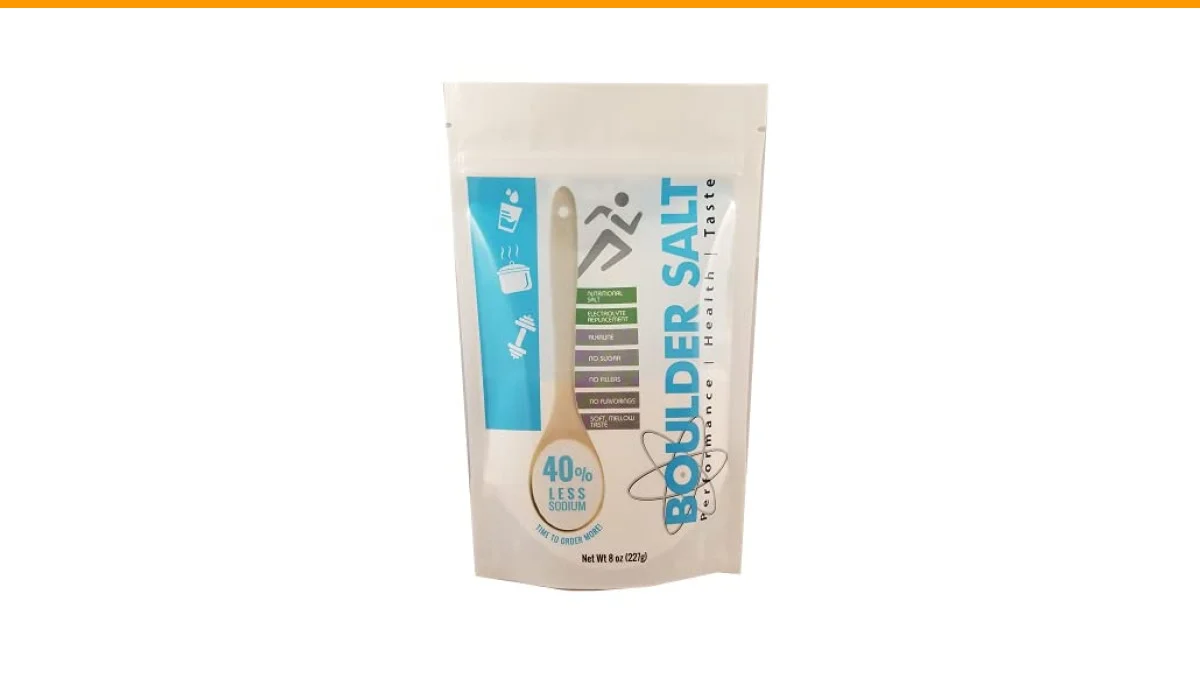
BOULDER SALT PERFORMANCE HEALTH TASTE
Boulder Salt - Low Sodium - Potassium Magnesium Salt - Electrolyte Salts - Unflavored - 8oz - Tastes Good on Food or in Water. 113 Servings.
- THE SALT EVERY BODY NEEDS: Natural, Balanced & Healthy; Providing balanced electrolytes for superior hydration; 1:1 Replacement fo…
- NUTRITION-PACKED, NO SUGAR, ELECTROLYTE SOURCE: With only 2gm or heaping teaspoon of Boulder Salt, you get 150 milligrams potassiu…
- HYDRATION SALT: Our oral rehydration salt is recommended for people on a diet or exercise program or those engaged in strenuous ph…
Boulder Salt is a natural blend of electrolytes designed to maintain balance in your body. It offers potassium, magnesium, and other minerals essential for hydration. Just a couple of servings dissolved in water can significantly aid recovery after intense physical activity.
The Role of Electrolytes in Hydration
Electrolytes are minerals in your body that have an electric charge. They include sodium, potassium, calcium, and magnesium. These minerals are essential for numerous bodily functions, including maintaining fluid balance, nerve transmission, and muscle contraction. When you sweat, especially during intense workouts or during contrast therapy, your body loses not only water but also a significant amount of these electrolytes.
For instance, a 2026 study published in the Journal of Sports Science & Medicine found that athletes can lose between 1 to 2 liters of sweat per hour during high-intensity activities. This sweat contains approximately 0.9 grams of sodium per liter. If not replenished, this loss can lead to symptoms such as muscle cramps, fatigue, and decreased performance.
Rehydrating with salt water helps restore the electrolyte balance your body desperately needs. Salt water provides sodium, which is crucial for fluid retention and helps your body absorb water more effectively. This is especially important after contrast sessions where the body undergoes thermal stress and may have lost substantial electrolytes.
Benefits of Rehydrating with Salt Water
Rehydrating with salt water offers several benefits, particularly after contrast sessions:
- Restores Electrolyte Balance: Salt water helps replenish sodium levels, essential for muscle function and nerve signaling.
- Enhances Water Absorption: Sodium promotes the absorption of water in the intestines, making hydration more effective.
- Supports Recovery: Replenishing lost electrolytes can reduce muscle cramps and fatigue, leading to quicker recovery times.
- Maintains Blood Pressure: Sodium plays a critical role in regulating blood pressure, preventing hypotension that can occur after prolonged sweating.
Incorporating salt water into your rehydration strategy can thus lead to improved overall performance and well-being.
How to Rehydrate with Salt Water
Rehydrating with salt water is simple. Here’s how to do it effectively:
- Choose Your Salt: Opt for a high-quality salt like Boulder Salt, which provides a balanced mix of sodium, potassium, and magnesium.
- Mix the Solution: Dissolve 1-2 servings of Boulder Salt into 16-20 ounces of water. This concentration is effective for rehydration without overwhelming your body with salt.
- Drink Regularly: Consume the salt water solution gradually over 30-60 minutes post-exercise or after a contrast session. Don’t rush it; sipping is key.
Adjust the amount of salt based on your individual needs and the intensity of your workout. For instance, if you’ve experienced heavier sweating, you may need to increase the salt concentration slightly.
Comparative Methods for Rehydration
Many methods exist for rehydrating after physical exertion. Below is a comparison of various rehydration techniques:
| Method | Pros | Cons |
|---|---|---|
| Plain Water | Widely available, no calories | Doesn’t replenish electrolytes effectively |
| Sports Drinks | Contains electrolytes, convenient | Often high in sugar and calories |
| Salt Water | Restores electrolyte balance, low-calorie | May taste unappealing to some |
| Electrolyte Tablets | Easy to carry, customizable | May contain additives; can be expensive |
Salt water stands out as a simple yet effective method to restore hydration and electrolyte levels without added sugars or unnecessary calories.
Frequently Asked Questions
1. How much salt should I add to my water for rehydration?
Generally, 1-2 servings of Boulder Salt in 16-20 ounces of water is effective. Adjust based on your specific needs and level of exertion.
2. Can I use regular table salt for rehydration?
While regular table salt can provide sodium, it lacks essential minerals like potassium and magnesium. Opt for a balanced salt like Boulder Salt for optimal results.
3. How often should I rehydrate with salt water?
After intense workouts or contrast sessions, drink salt water gradually over 30-60 minutes. You can also rehydrate throughout the day as needed.
4. Are there any side effects of drinking salt water?
In moderation, salt water is generally safe. However, excessive sodium intake can lead to high blood pressure and other health issues. Monitor your intake based on activity level.
5. Is salt water suitable for everyone?
Most people can benefit from rehydrating with salt water, but individuals with certain health conditions, such as hypertension, should consult a healthcare provider before increasing sodium intake.
Final Thoughts on Rehydration
- Electrolytes are crucial for hydration and overall health.
- Rehydrate with salt water to effectively restore electrolyte balance.
- Boulder Salt offers a natural source of necessary minerals.
- Adjust salt intake based on your activity level and sweat loss.
- Consider your individual health needs before altering your diet.
- Incorporate a balanced approach to hydration, combining water, salt, and nutrients.
Understanding the importance of rehydrating with salt water after contrast sessions can lead to better recovery and improved performance. Make informed choices to keep your body functioning at its best.


