Imagine this: you’ve prepared a delicious meal, the table is set, and you’re excited to dig in. But as you sit down, you realize that the food might not be at the right temperature. Maybe it’s too hot, risking burns, or too cold, making it unappetizing or unsafe. This scenario highlights a fundamental yet often overlooked aspect of cooking and eating: the importance of checking the temperature of your food before you sit down to enjoy it.
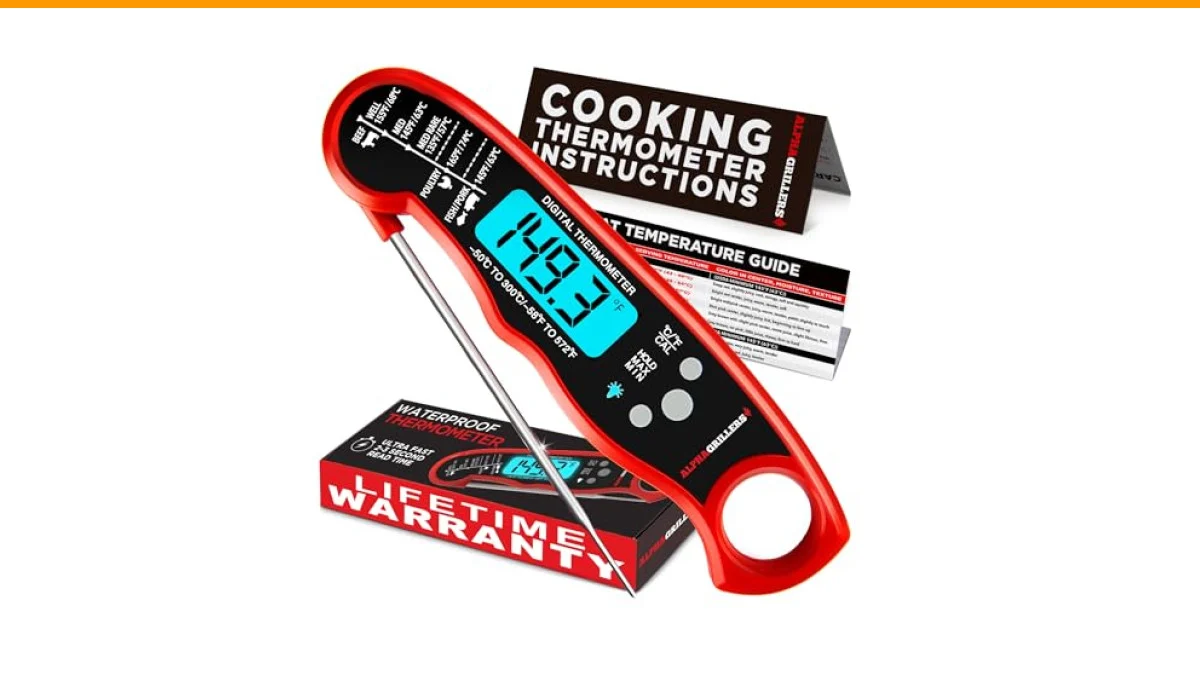
In this article, you’ll learn why checking the thermometer is essential, not only for your safety but also for the quality of your meals. We’ll discuss how proper temperature control enhances flavor, texture, and food safety. Additionally, we’ll introduce a reliable tool that can help you achieve these goals: the Alpha Grillers Instant Read Meat Thermometer. This device is designed to provide quick, accurate temperature readings, ensuring you have perfectly cooked food every time.

Alpha Grillers
Alpha Grillers Meat Thermometer Digital, Stocking Stuffers Gifts for Men | 1-2 Second Ultra-Fast Response Time, Bright Backlit Display, Waterproof (IP67), Pre-Calibrated & Ready to Use
- Instant Read Meat Thermometer | Our instant read thermometer features a temperature probe and advanced, highly accurate technology…
- Multi-Use | From bbq thermometer to baking thermometer, our digital food thermometer for cooking is perfect for meats, liquids, de…
- Easy-Read Digital Thermometer For Cooking | Large instant thermometer dial with bright blue backlight means you can always read th…
The Alpha Grillers thermometer features a rapid response time of 1-2 seconds and is pre-calibrated for immediate use. It’s suitable for various cooking methods, from grilling to baking, making it a versatile addition to your kitchen tools.
Understanding the Importance of Temperature
Food temperature plays a crucial role in culinary success and safety. Here are some key reasons why checking the thermometer matters:
- Food Safety: Certain foods, particularly meats, need to reach specific internal temperatures to kill harmful bacteria. For example, chicken should reach an internal temperature of at least 165°F to be safe for consumption.
- Flavor and Texture: Cooking food to the right temperature enhances its flavor and texture. Overcooking or undercooking can lead to dry meat or rubbery vegetables.
- Consistency: Consistently checking temperatures helps you replicate successful dishes. This is particularly important for chefs and home cooks striving for excellence.
How to Use a Thermometer Effectively
Using a thermometer correctly involves more than just sticking it in your food. Here’s a step-by-step guide:
- Choose the Right Thermometer: Opt for a digital instant-read thermometer like the Alpha Grillers model mentioned earlier. It’s reliable and easy to use.
- Insert the Probe: Place the thermometer’s probe into the thickest part of the food, avoiding bones or fat, which can give inaccurate readings.
- Wait for the Reading: Allow the thermometer a few seconds to provide an accurate reading. The Alpha Grillers thermometer delivers results in just 1-2 seconds, making it efficient.
- Check the Temperature: Compare the reading against the recommended temperature for that specific food.
- Clean the Thermometer: After use, clean the probe with warm, soapy water or wipe it with alcohol wipes to ensure it’s ready for next time.
Temperature Guidelines for Common Foods
To ensure your meals are delicious and safe, follow these temperature guidelines:
| Food Type | Recommended Internal Temperature |
|---|---|
| Poultry (Chicken, Turkey) | 165°F |
| Ground Meats (Beef, Pork, Lamb) | 160°F |
| Steaks, Roasts, and Chops | 145°F (with a 3-minute rest) |
| Fish | 145°F |
| Egg Dishes | 160°F |
| Reheated Leftovers | 165°F |
Common Mistakes in Temperature Checking
Even experienced cooks can make errors when it comes to checking temperatures. Here are three common mistakes and how to avoid them:
- Not Calibrating the Thermometer: Ensure your thermometer is calibrated before use. Most digital thermometers like the Alpha Grillers come pre-calibrated, but check periodically for accuracy.
- Inserting the Probe Incorrectly: Always place the probe in the thickest part of the food. Ignoring this step can lead to inaccurate readings.
- Removing the Thermometer Too Soon: Wait until the reading stabilizes. Instant-read thermometers are fast, but rushing can lead to errors.
FAQs About Checking Temperatures
Why is it important to check the temperature of food before eating?
Checking the temperature ensures food is cooked safely and enhances flavor and texture. Proper temperatures prevent foodborne illnesses.
How do I know if my thermometer is accurate?
To test accuracy, place your thermometer in ice water. It should read 32°F. For boiling water, it should read 212°F at sea level. If it deviates significantly, recalibrate or replace it.
Can I use a thermometer for baking?
Yes, thermometers are useful for baking as well. They help you confirm that cakes or bread have reached the desired internal temperature for doneness.
What types of thermometers can I use?
Digital instant-read thermometers, probe thermometers, and infrared thermometers are common. Each type has specific uses, but an instant-read thermometer is often the most versatile.
How often should I clean my thermometer?
Clean your thermometer after each use to prevent cross-contamination. Use warm, soapy water or alcohol wipes for thorough cleaning.
Final Thoughts on Temperature Checking
- Always check the thermometer before sitting down to eat.
- Use a reliable thermometer like the Alpha Grillers for quick, accurate readings.
- Follow recommended temperature guidelines to ensure food safety.
- Calibrate your thermometer regularly to maintain accuracy.
- Practice proper insertion techniques to get the best readings.
- Clean your thermometer after each use to prevent contamination.
- Rushing the reading can lead to mistakes—patience is key.