Imagine stepping into an ice bath after an intense workout. Your heart races, and you’re instantly hit by the freezing water. As you force yourself to stay still, your body starts to shiver uncontrollably. Sound familiar? This scenario is common among those practicing contrast therapy, where alternating between hot and cold treatments is believed to enhance recovery. However, shivering during the cold plunge phase can significantly undermine the benefits you aim to achieve.
This article will explain why avoiding shivering during the cold plunge is crucial for maximizing recovery and performance. You’ll discover practical techniques to maintain control over your body’s response to cold exposure, along with the right equipment to enhance your experience.

Bubplay
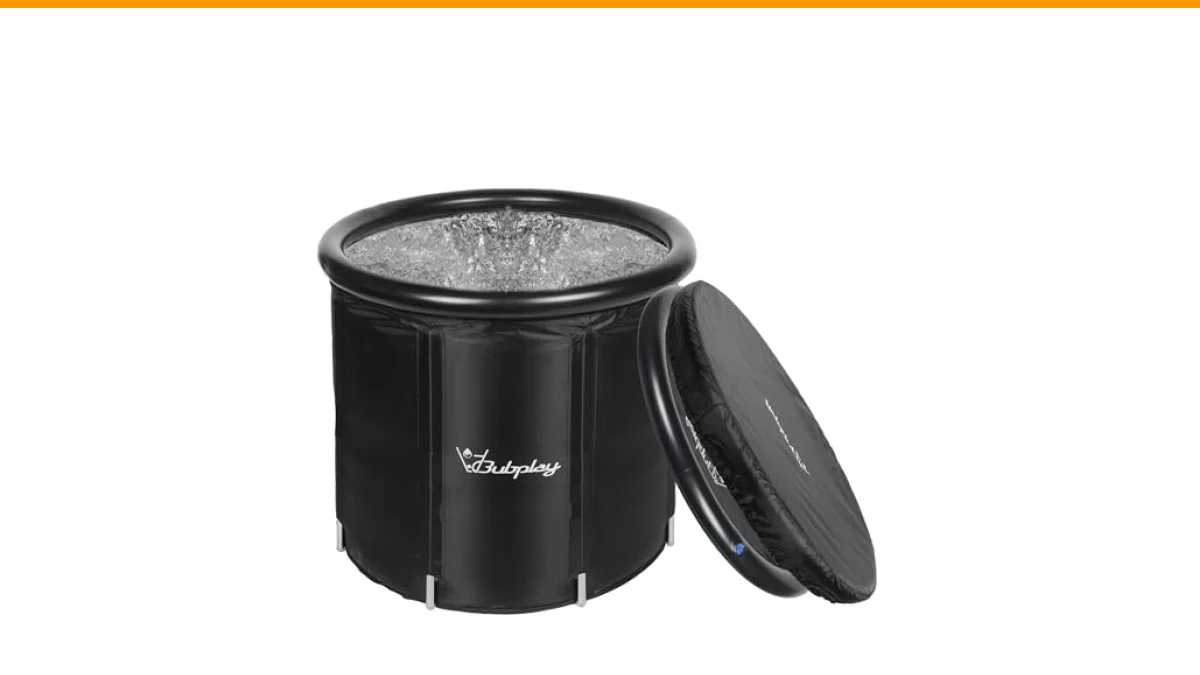
Bubplay Ice Bath Cold Plunge Tub with Cover for Indoor Outdoor for Recovery, Cold Water Therapy, Athletes & Adults -105 Gallons, Black, XL
- 【XL 105-Gallon Cold Plunge for Full-Body Recovery】 Designed for adults who want a more immersive cold plunge experience at home. T…
- 【Includes Cover with 6-Layer Insulated Construction】 Comes with a fitted cover to help keep the water cleaner between uses and slo…
- 【Tool-Free Setup with 8 Stainless Steel Support Rods】 No tools required. Simply inflate the top ring with the included pump, inser…
For those interested in a reliable setup for cold plunges, consider the Bubplay Ice Bath Cold Plunge Tub. This tub offers ample space for a full-body cold plunge experience, making it easier to focus on your breathing and technique rather than the discomfort of the cold.
The Physiology of Cold Exposure
Understanding your body’s response to cold is the first step in managing it effectively. When you enter cold water, your body goes through several physiological changes:
- Vasoconstriction: Blood vessels constrict to preserve core body temperature.
- Shivering: This involuntary muscle contraction generates heat but indicates distress.
- Increased heart rate: Your heart pumps faster to maintain blood flow to vital organs.
Shivering is a natural response to cold, but it can be counterproductive during therapy. It causes muscle tension and can lead to increased fatigue, both of which can detract from the recovery benefits of cold exposure.
The Risks of Shivering During Cold Plunge Therapy
Avoiding shivering can help you reap the full rewards of cold plunge therapy. Here are some specific risks associated with shivering:
- Impaired Recovery: Muscle tension from shivering can prevent relaxation, which is crucial for recovery.
- Increased Stress Hormones: Shivering elevates cortisol levels, which can hinder recovery and muscle repair.
- Loss of Focus: The discomfort of shivering can distract you from maintaining proper breathing and mental clarity.
These risks highlight the importance of managing your body’s response to cold exposure effectively. Instead of succumbing to shivering, you can employ various techniques to maintain calm and control.
Techniques to Avoid Shivering During Cold Plunge Sessions
Here are several actionable strategies to help you stay relaxed during cold plunge therapy:
- Practice Controlled Breathing: Focus on deep, slow breaths. Inhale through your nose and exhale through your mouth. This technique can help calm your nervous system and reduce the urge to shiver.
- Gradual Exposure: Start with shorter cold exposure times and gradually increase as your body adapts. This approach can help reduce the shock response and minimize shivering.
- Warm-Up Prior: Engage in a warm-up routine before your cold plunge. Raising your core temperature slightly can help mitigate the initial shock of cold water.
- Stay Mindful: Engage in mindfulness techniques, such as visualization or meditation, to distract your mind from the cold and help maintain your focus.
- Use Thermal Aids: Wear neoprene gloves or booties to minimize the cold sensation on your extremities, which can help reduce overall shivering.
Implementing these techniques can help you maintain a more stable body temperature and enhance the effectiveness of your cold plunge therapy.
Choosing the Right Equipment for Cold Plunge Therapy
The right setup can also play a significant role in your cold plunge experience. A well-designed tub, like the Bubplay Ice Bath Cold Plunge Tub, allows for better temperature retention and comfort, enabling you to focus on your breathing and techniques instead of the cold. Here’s a comparison of some features to consider:
| Feature | Bubplay Cold Plunge Tub | Standard Ice Bath |
|---|---|---|
| Size | XL, accommodates users up to 6’7″ | Usually smaller, limited space |
| Insulation | 6-layer insulation | Often single-layer, less effective |
| Stability | 8 stainless steel support rods | May lack sturdy support |
| Cleanup | Easy drain with included hose | Often messy, difficult to drain |
| Setup | Tool-free, inflatable | Generally requires more effort |
Selecting the right equipment can greatly impact your comfort and effectiveness during cold plunge therapy.
Frequently Asked Questions
1. What happens if I do shiver during a cold plunge?
Shivering indicates your body is struggling to maintain its core temperature. It can lead to muscle tension and increased fatigue, which counteracts the recovery benefits of the cold plunge.
2. How long should I stay in the cold plunge?
Start with 1-3 minutes and gradually work up to 5-10 minutes as your body adapts. Always listen to your body and exit if you feel uncomfortable.
3. Can I take a cold plunge every day?
Many athletes find daily cold plunges beneficial. However, individuals should assess their comfort level and recovery needs.
4. How can I improve my tolerance to cold water?
Gradual exposure is key. Start with cold showers, then progress to ice baths. Incorporate breathing techniques to enhance your experience.
5. Is it safe to do contrast therapy without a professional?
While contrast therapy can be safe for most, it’s crucial to listen to your body and consult a healthcare professional if you have underlying health conditions.
Practical Takeaways for Effective Cold Plunge Therapy
- Focus on controlled breathing to minimize shivering.
- Gradually expose your body to cold water.
- Warm up before your cold plunge.
- Use thermal aids to protect extremities.
- Consider a quality cold plunge tub for optimal comfort.
- Listen to your body and adjust exposure times accordingly.
- Stay mindful and engaged during your cold plunge for better results.
By implementing these strategies and investing in the right equipment, you can enhance your cold plunge experience and maximize its recovery benefits. Avoiding shivering not only improves your comfort but also ensures your body can effectively reap the rewards of cold exposure.