Understanding the Sauna’s Unique Environment
Imagine stepping into a sauna. The warmth envelops you as the steam rises, creating a soothing atmosphere. Now, consider the wood that constitutes the sauna’s interior. This wood isn’t just there for aesthetics; it plays a crucial role in the sauna’s functionality. However, many sauna owners face a common dilemma: should they paint or stain the wood? The answer is a resounding no, and here’s why.
In this article, you will learn about the potential repercussions of painting or staining the interior wood of a sauna. You’ll also discover effective ways to maintain and enhance the beauty of your sauna without compromising its integrity.
Northwood Sauna
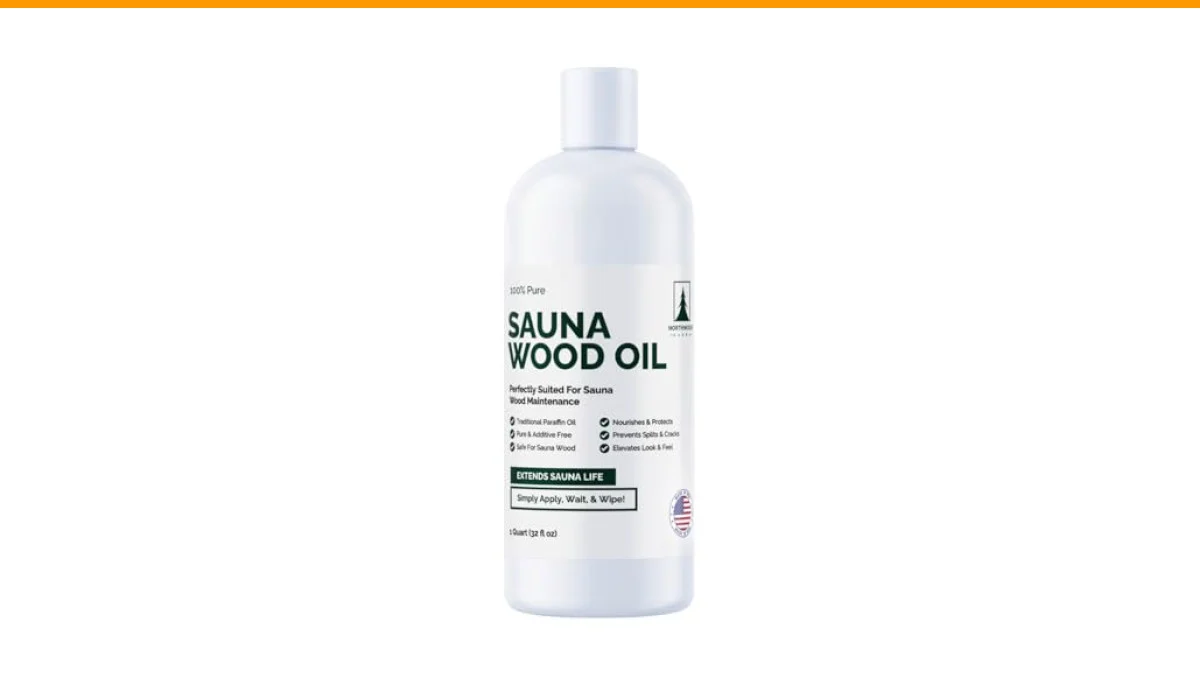
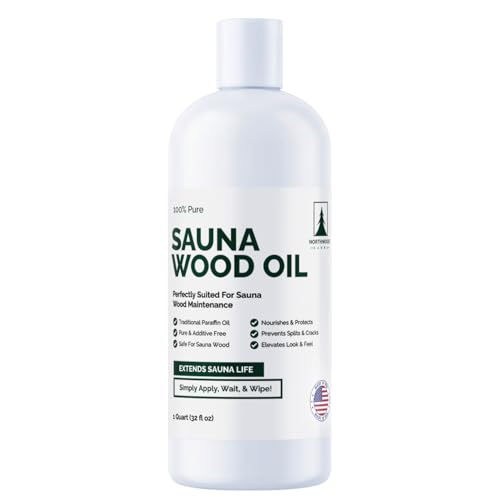
Northwood Sauna - Sauna Wood Oil - 100% Pure Paraffin Oil - Traditional Sauna Sealer - 1 Quart (32 Fl Oz)
- The Perfect Sauna Wood Oil: Our traditional paraffin oil is perfectly suited for sauna wood maintenance. It penetrates the wood to…
- 100% Suitable For Saunas: Unlike other sauna wood treatments, ours is made from pure mineral oil that extends the life of your sau…
- Covers 150 Square Feet: One bottle is adequate for several applications in most saunas. Simply apply, wait, and wipe for effective…
For those seeking an appropriate maintenance solution, consider using the Northwood Sauna Wood Oil. This 100% pure paraffin oil is designed specifically for sauna wood, penetrating deeply to protect against moisture while being safe for use in these unique environments.
The Effects of Paint and Stain on Sauna Wood
Okay, but how much does this actually matter? The sauna’s heat and humidity create a unique environment. Wood naturally expands and contracts in response to temperature changes. When you paint or stain the wood, you trap moisture underneath the surface. This can lead to several issues:
- Peeling: Paint doesn’t adhere well to wet surfaces. In a sauna, the constant steam can cause the paint to peel and flake off over time.
- Moisture Retention: Stains can trap moisture in the wood, leading to mold growth and decay.
- Chemical Emissions: Many paints and stains contain volatile organic compounds (VOCs) that can be released into the air when heated, creating an unhealthy environment.
Ultimately, the interior wood of your sauna needs to breathe. Adding a coat of paint or stain disrupts this natural process, leading to potential damage and health concerns.
Alternative Wood Treatments for Saunas
<pWhat are your options then? Fortunately, there are alternatives that can maintain the beauty and functionality of your sauna wood without the downsides of paint or stain. Here are some effective treatments:
- Sauna Wood Oil: Products like the Northwood Sauna Wood Oil nourish the wood, protecting it from moisture while enhancing its natural beauty. This option allows the wood to breathe and remain functional.
- Clear Sealants: If you want some protection without compromising the wood’s integrity, clear sealants made specifically for sauna wood can offer a good compromise. They provide a barrier against moisture while allowing the wood to expand and contract.
- Regular Maintenance: Simply cleaning your sauna regularly can go a long way. Use a damp cloth to wipe down surfaces and remove any buildup of sweat or moisture.
These methods ensure that the sauna remains a healthy and relaxing environment while preserving the wood’s structural integrity.
Comparative Table of Sauna Wood Treatments
| Product Type | Protection Level | Breathability | Longevity |
|---|---|---|---|
| Paint | Poor | None | Short-term |
| Stain | Moderate | Limited | Medium-term |
| Sauna Wood Oil | High | Excellent | Long-term |
| Clear Sealant | Moderate | Good | Long-term |
Frequently Asked Questions
1. Can I use regular wood stain on my sauna?
No, regular wood stains are not suitable for saunas. They can trap moisture and may contain harmful chemicals that can be released into the air.
2. How often should I apply sauna wood oil?
Applying sauna wood oil every 6 to 12 months is generally recommended, depending on usage and humidity levels. Regular application helps maintain the wood’s condition.
3. What are signs that my sauna wood needs attention?
Look for signs of discoloration, peeling, or mold growth. Any of these indicators suggest your wood may be absorbing too much moisture or deteriorating.
4. Is it necessary to treat sauna wood?
Treating sauna wood is not just necessary but beneficial. It extends the life of the wood and maintains a clean, pleasant environment in your sauna.
5. Can I sand my sauna wood if it gets rough?
Yes, lightly sanding the wood can help smooth rough patches. However, be careful not to sand too aggressively, as this can damage the wood and affect its ability to breathe.
Final Thoughts on Sauna Wood Care
- Never paint or stain the interior wood of your sauna.
- Use sauna wood oil for effective maintenance.
- Regularly clean your sauna to prevent buildup of moisture.
- Consider clear sealants that allow for breathability.
- Monitor your sauna for signs of wear or moisture damage.
- Apply treatments every 6-12 months as needed.
- Maintain a healthy sauna environment for a better experience.
With the right care, your sauna can remain a sanctuary of relaxation for years to come. Don’t compromise its integrity with inappropriate treatments; invest in proper maintenance instead.