Imagine finishing an intense hypertrophy lifting session at the gym. Your muscles are pumped, you’re feeling strong, and the last thing on your mind is a cold plunge. You might think that jumping into an ice bath would help speed up recovery and reduce soreness. However, research and expert opinions suggest otherwise. In fact, doing a cold plunge immediately after heavy lifting could actually impede your recovery process.
This article will explain the physiological reasons behind why you should avoid cold plunges right after your hypertrophy workouts. You’ll learn about muscle recovery, the role of inflammation, and how cold exposure affects muscle protein synthesis. By the end, you’ll understand the best practices for post-workout recovery and how to optimize your performance.

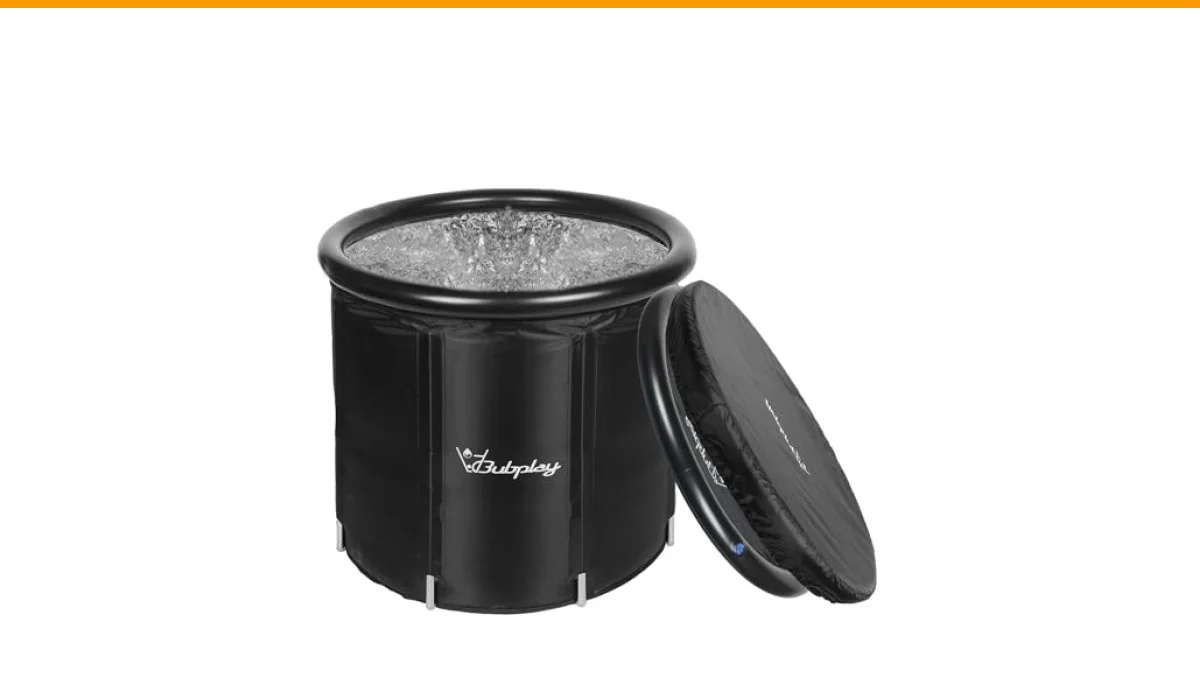
Bubplay
Bubplay Ice Bath Cold Plunge Tub with Cover for Indoor Outdoor for Recovery, Cold Water Therapy, Athletes & Adults -105 Gallons, Black, XL
- 【XL 105-Gallon Cold Plunge for Full-Body Recovery】 Designed for adults who want a more immersive cold plunge experience at home. T…
- 【Includes Cover with 6-Layer Insulated Construction】 Comes with a fitted cover to help keep the water cleaner between uses and slo…
- 【Tool-Free Setup with 8 Stainless Steel Support Rods】 No tools required. Simply inflate the top ring with the included pump, inser…
If you’re considering incorporating cold water therapy into your routine, the Bubplay Ice Bath Cold Plunge Tub can be a useful addition. Its spacious design allows for a full-body experience, making it suitable for athletes and anyone looking to recover effectively after workouts.
 Cold Plunge Before Or After Workout? Don’t Kill Your Gains!Watch on YouTube
The Physiology of Muscle Recovery
When you engage in heavy hypertrophy lifting, your muscle fibers sustain microscopic tears, which is a normal part of the growth process. This process triggers inflammation, leading to muscle soreness often referred to as delayed onset muscle soreness (DOMS). Inflammation is crucial for muscle repair and growth—it signals the body to send the necessary nutrients and cells to the damaged areas.
Cold plunges can constrict blood vessels, which may feel refreshing at the moment but slows down the inflammatory response that is vital for muscle repair. Studies indicate that excessive cold exposure can hinder the delivery of nutrients and oxygen to muscles, prolonging recovery time. The body needs to circulate blood to repair tissues, and cold plunges can disrupt this vital process.
The Impact on Muscle Protein Synthesis
Muscle protein synthesis (MPS) is the process through which your body repairs and builds new muscle proteins. This is essential after a workout, especially one focused on hypertrophy. Research shows that the inflammatory response, which cold plunges inhibit, actually promotes MPS. By reducing inflammation too quickly, you’re effectively lowering the volume of muscle proteins your body can synthesize.
In a study published in the Journal of Physiology, subjects who took cold baths immediately after resistance training exhibited lower rates of muscle protein synthesis compared to those who did not. The results suggest that while cold therapy can be beneficial at certain times—like during recovery from injury or soreness—it may not be advisable immediately after hypertrophy lifting.
Timing Your Cold Plunge
If you’re keen on incorporating cold plunges into your recovery routine, timing is key. Experts generally recommend waiting at least 24 hours after intense lifting sessions before engaging in cold water therapy. This allows your body to begin its natural recovery process, complete with the inflammatory response necessary for muscle repair.
Here’s a simple breakdown:
- Immediately Post-Workout: Focus on hydration and nutrition.
- Within 24 Hours: Engage in light activity like walking or stretching.
- 24+ Hours Post-Workout: Consider a cold plunge to reduce lingering soreness.
Comparative Recovery Methods
When exploring recovery methods, it helps to compare different approaches. Below is a table summarizing various recovery techniques, including their benefits and drawbacks.
| Recovery Method | Benefits | Drawbacks |
|---|---|---|
| Cold Plunge | Reduces swelling; numbs pain | Can inhibit muscle growth if used too soon |
| Active Recovery | Increases blood flow; helps clear lactic acid | May not provide immediate relief |
| Compression Therapy | Supports blood circulation; reduces soreness | Can be uncomfortable for some users |
| Foam Rolling | Improves muscle elasticity; reduces tension | Requires time and technique to be effective |
1. Why is cold plunge therapy popular among athletes?
Cold plunge therapy is popular because it can provide immediate relief from soreness and inflammation. Athletes often use it to speed up recovery between training sessions, but timing matters significantly.
2. How does inflammation play a role in muscle recovery?
Inflammation is a natural response to muscle damage. It helps initiate the repair process, encouraging muscle growth and adaptation. Reducing inflammation too quickly can hinder recovery.
3. What is the optimal time to use cold plunges for recovery?
The optimal time to use cold plunges is at least 24 hours after an intense workout. This allows your body to complete the initial inflammatory phase and start repairing muscle tissues.
4. Are there any alternative recovery methods that are more effective?
Active recovery, such as light walking or yoga, has been shown to improve blood circulation and aid recovery without inhibiting muscle growth. Compression therapy and foam rolling are also effective alternatives.
5. Can cold plunges be beneficial for other types of workouts?
Yes, cold plunges can be beneficial for high-intensity workouts or endurance training where inflammation and soreness are prevalent. However, the timing of the plunge remains crucial.
Final Thoughts on Cold Plunges and Recovery
- Cold plunges can numb pain but may impede muscle growth if done too soon.
- Wait at least 24 hours after heavy lifting before considering cold water therapy.
- Incorporate active recovery methods immediately after workouts for optimal results.
- Understand the role of inflammation in muscle recovery for better training outcomes.
- Explore various recovery methods to find what works best for your body.
- Consider the Bubplay Ice Bath Cold Plunge Tub for future recovery sessions. Its XL size accommodates most adults, making it a practical solution for anyone keen on cold therapy.
- Stay informed about your body’s signals and adjust your recovery methods accordingly.