 Oscillating Space Heater – Ceramic Forced Fan Heating with Stay Cool Housing - TowerWatch on YouTube
Introduction to Ceramic Heaters and Cool Touch Housing
As the temperature drops, many people seek ways to keep their homes warm and comfortable. Space heaters have become increasingly popular due to their portability and efficiency. Among the various types available, ceramic heaters stand out for their effective heating mechanisms and safety features. One of their most significant advantages is the cool touch housing, which minimizes the risk of burns, making them suitable for use around children and pets.
This article will provide a comprehensive overview of ceramic heaters, focusing on their cool touch housing and safety features. You’ll learn how they generate heat, how they compare to other heating options, and practical tips for safe usage in your home. By the end, you’ll be equipped with the knowledge to make an informed decision about whether a ceramic heater is right for your needs.

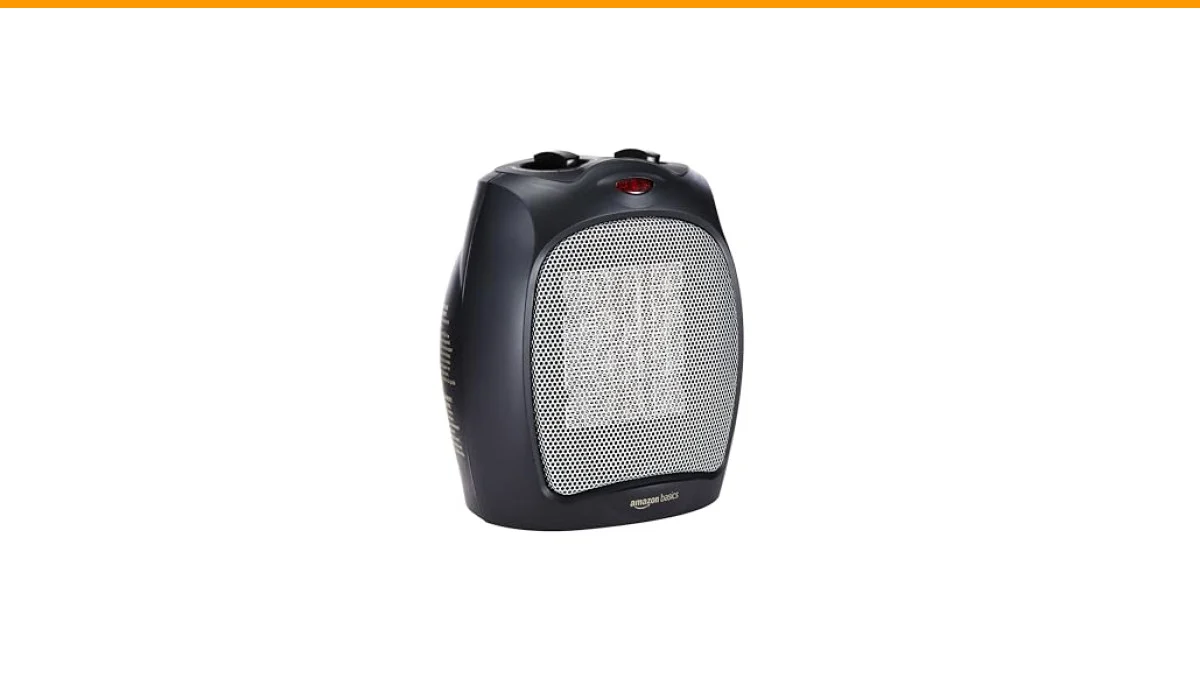
Amazon Basics
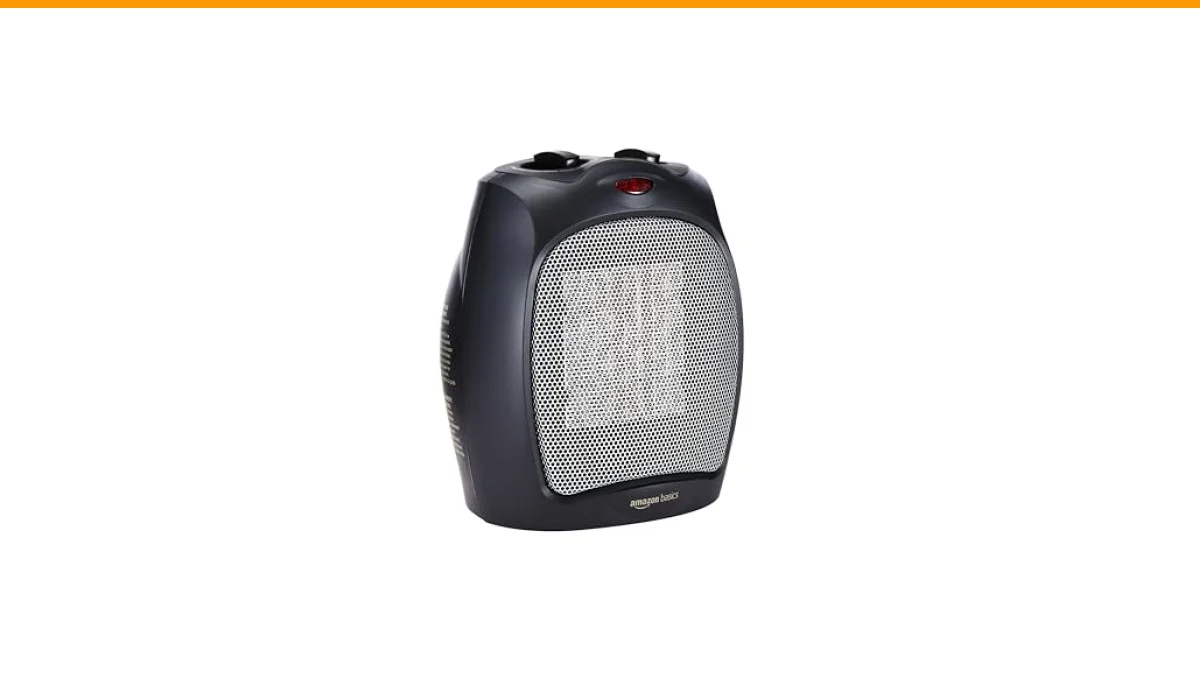
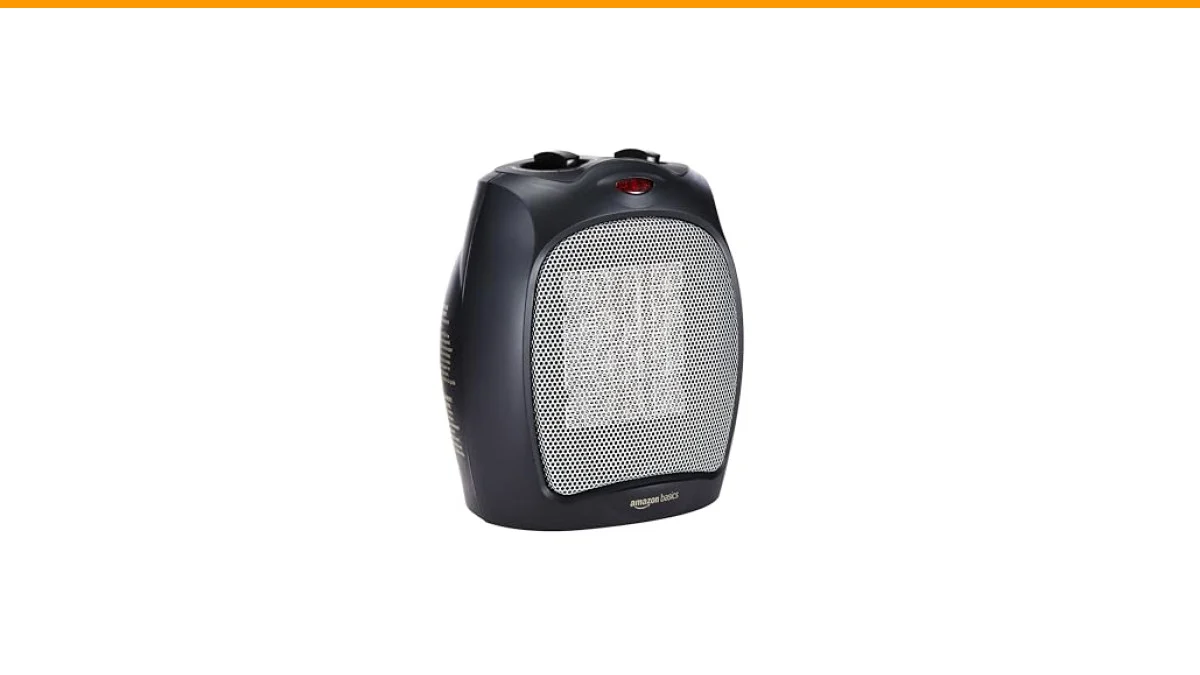
Amazon Basics Ceramic Space Heater, Portable Indoor Heating Solution, With Overheat and Tip-Over Protection, Thermostat, Non-Oscillating, 1500W, 7.52"D x 6.34"W x 9.45"H, Black
- CUSTOMIZABLE HEATING OPTIONS: Choose from three settings to suit your needs - High (1500W), Low (900W), or Fan Only for air circul…
- COMPACT & PORTABLE: Weighing just 3 lbs and sized at 7.5“L x 6.3”W x 9.5“H, this space heater is easy to move and perfect for your…
- Built-in Tip-Over Protection, Overheat Protection, and a Power Indicator Light for safe operation.
The Amazon Basics Ceramic Space Heater is a great example of a ceramic heater featuring cool touch housing. This portable unit offers customizable heating options and essential safety features, making it a reliable choice for indoor heating.
How Ceramic Heaters Generate Heat Safely
Ceramic heaters utilize PTC (Positive Temperature Coefficient) elements to generate heat. These elements heat up quickly, allowing for rapid warming of the surrounding air. The ceramic material retains heat, allowing it to continue releasing warmth even after the heater is turned off. This design is not only efficient but also contributes to the device’s safety.
One of the primary benefits of ceramic heaters is their ability to maintain a lower surface temperature compared to traditional coil heaters. This means that even if someone accidentally touches the heater, the risk of burns is significantly reduced. The cool touch housing further enhances this safety feature, ensuring that the outer surface remains at a safe temperature.
Key Safety Features of Ceramic Heaters
When it comes to safety, ceramic heaters are designed with several integrated features:
- Cool Touch Housing: The outer casing remains cool, reducing the risk of burns.
- Overheat Protection: Sensors automatically shut off the heater if it reaches unsafe temperatures.
- Tip-Over Protection: If the heater is knocked over, it automatically turns off to prevent fires.
- Automatic Shutoff: Many models include timers or thermostats that turn the heater off after a set period.
These features make ceramic heaters a practical choice for safe indoor heating. They are particularly beneficial in households with children or pets, where safety is a top concern.
Comparing Ceramic Heaters to Other Heating Options
Heating solutions vary widely, and understanding the differences can help you choose the best one for your needs. Below is a comparison of ceramic heaters and other common types:
| Type of Heater | Heating Method | Surface Temperature | Portability | Safety Features |
|---|---|---|---|---|
| Ceramic Heater | PTC Elements | Low | High | Cool Touch, Overheat, Tip-Over |
| Coil Heater | Metal Coil | High | Medium | Limited |
| Oil-Filled Radiator | Oil Heating | Medium | Low | Thermostat |
| Infrared Heater | Radiant Heat | Varies | Medium | Limited |
Ceramic heaters offer a unique blend of efficiency, safety, and portability. In contrast, coil heaters can become very hot, posing burn risks. Oil-filled radiators provide consistent warmth but are bulkier and less portable. Infrared heaters can be effective in large spaces but may not offer the same level of safety features.
Practical Tips for Safe Placement and Use
Using a ceramic heater safely involves more than just its built-in features. Here are some practical tips:
- Keep Clearances: Maintain at least three feet of space around the heater to prevent fire hazards.
- Avoid High Moisture Areas: Do not use ceramic heaters in bathrooms or laundry rooms, as moisture can reduce safety and efficiency.
- Use on Flat Surfaces: Place the heater on a stable, flat surface to avoid accidental tipping.
- Turn Off When Unattended: Always turn off the heater when leaving the room or going to sleep.
- Check for Damage: Regularly inspect the heater for any signs of wear or damage before use.
Following these guidelines will help you maximize safety while enjoying the warmth of your ceramic heater.
Understanding Energy Efficiency and Cost Savings
Ceramic heaters are generally energy-efficient, using less power than traditional heating systems. The PTC elements heat up quickly, allowing for rapid temperature increases. Many models, such as the Amazon Basics Ceramic Space Heater, offer multiple settings (high, low, and fan only) that allow more control over energy consumption.
Real-life usage can vary, but many users report lower electricity bills when using ceramic heaters to supplement central heating systems. They are particularly effective for heating specific areas, reducing the need to heat an entire home. The average cost per hour of operation can range from $0.10 to $0.25, depending on your local electricity rates.
Installation Guide: Best Practices and Common Mistakes
Installing a ceramic heater is straightforward, but following best practices can prevent issues:
- Choose the Right Location: Select a spot with adequate ventilation and away from flammable materials.
- Follow Manufacturer Instructions: Each model may have specific guidelines that should be adhered to.
- Avoid Extension Cords: Plug the heater directly into a wall outlet to minimize fire risks.
- Regular Maintenance: Clean the heater periodically to prevent dust buildup, which can affect performance.
Common mistakes include placing the heater too close to furniture or curtains, neglecting regular maintenance, and failing to utilize safety features.
Real-Life User Experiences and Testimonials
Users often share positive experiences with ceramic heaters, particularly regarding their safety and efficiency. Many appreciate the cool touch housing, stating it provides peace of mind when used around children or pets. Comments frequently highlight the rapid heating capabilities, with most units reaching desired temperatures in minutes.
One user noted using the Amazon Basics Ceramic Space Heater in a small office, stating it effectively warmed the area without making excessive noise. Another user appreciated how easily the heater could be moved from room to room, emphasizing its portability. Testimonials typically reflect a high level of satisfaction with both the functionality and safety features of ceramic heaters.
Frequently Asked Questions About Ceramic Heaters
Are ceramic heaters safe to use around children and pets?
Yes, ceramic heaters with cool touch housing significantly reduce the risk of burns, making them safer for use around children and pets.
How energy efficient are ceramic heaters?
Ceramic heaters are designed to be energy-efficient, using less power compared to traditional heating systems. They heat up quickly and can effectively warm small spaces.
Can I use a ceramic heater in a bathroom?
No, it is not recommended to use ceramic heaters in high-moisture areas like bathrooms, as moisture can compromise safety and performance.
What should I do if my ceramic heater smells when first used?
A slight odor may occur when a ceramic heater is first used due to dust burning off. This typically dissipates after a short time. If the smell persists, discontinue use and check for any issues.
How do I maintain my ceramic heater?
Regularly clean the heater to remove dust buildup, check for any signs of damage, and ensure the heater’s vents are unobstructed for optimal performance.
Final Thoughts on Ceramic Heaters
- Ceramic heaters provide efficient and safe heating options for various indoor spaces.
- The cool touch housing feature minimizes burn risks, making them suitable for homes with children and pets.
- Energy efficiency can contribute to lower electricity bills when used correctly.
- Proper placement and usage guidelines enhance safety and effectiveness.
- Regular maintenance helps prolong the heater’s lifespan and ensures optimal performance.
- Consider user reviews and testimonials to gauge real-world effectiveness.
- Explore models like the Amazon Basics Ceramic Space Heater for a practical and safe heating solution.