✅Ceramic Heater: Best Ceramic Heaters (Buying Guide)Watch on YouTube
Introduction to Ceramic Heaters and Their Importance
As winter approaches, many people find themselves searching for effective ways to keep warm indoors. Ceramic heaters have become a popular choice due to their efficiency, portability, and safety features. Imagine coming home after a long day, greeted by a cozy, warm space that feels just right. This comfort stems from the right heating solution, and understanding how ceramic heaters work is vital for making informed choices.
This article will explore the ins and outs of ceramic heaters, focusing on overheat protection features that ensure safe operation. By the end, you’ll have a clear understanding of how these devices keep you warm without compromising safety.

Amazon Basics
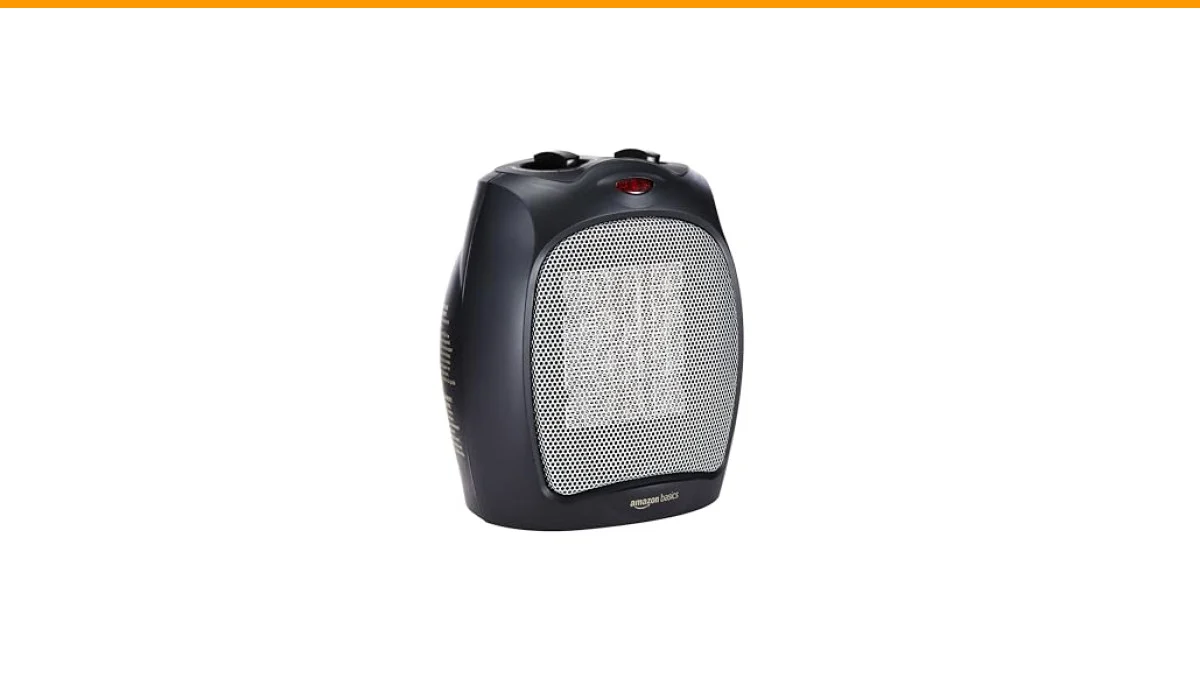
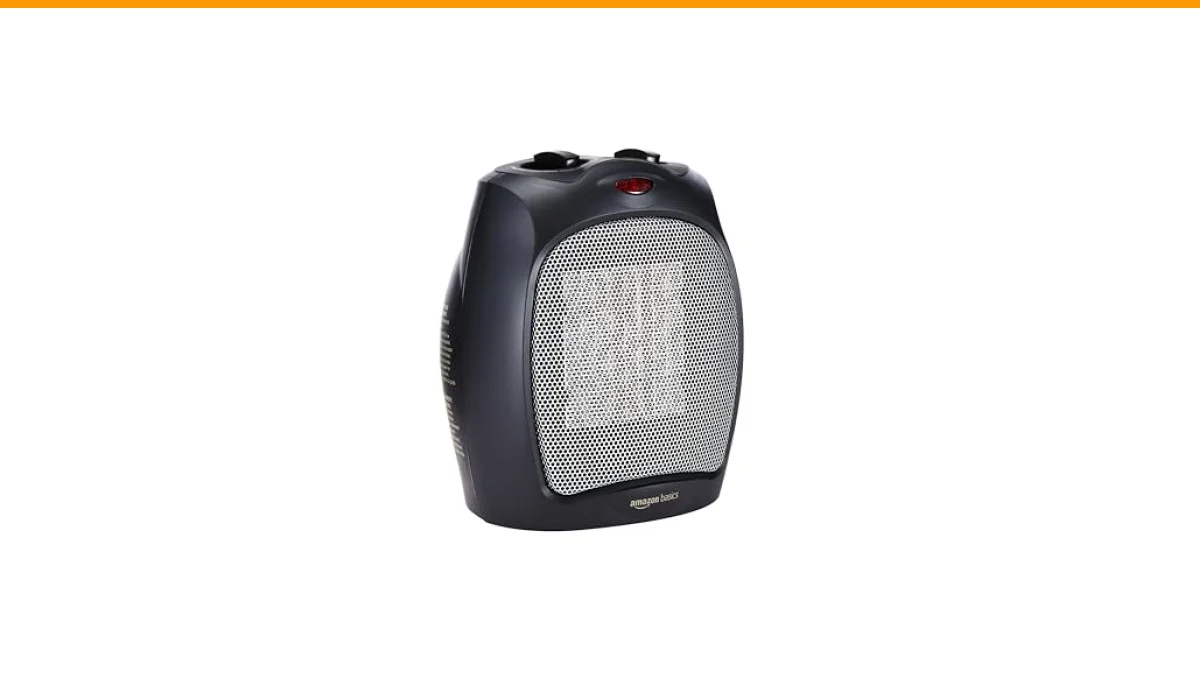
Amazon Basics Ceramic Space Heater, Portable Indoor Heating Solution, With Overheat and Tip-Over Protection, Thermostat, Non-Oscillating, 1500W, 7.52"D x 6.34"W x 9.45"H, Black
- CUSTOMIZABLE HEATING OPTIONS: Choose from three settings to suit your needs - High (1500W), Low (900W), or Fan Only for air circul…
- COMPACT & PORTABLE: Weighing just 3 lbs and sized at 7.5“L x 6.3”W x 9.5“H, this space heater is easy to move and perfect for your…
- Built-in Tip-Over Protection, Overheat Protection, and a Power Indicator Light for safe operation.
The Amazon Basics Ceramic Space Heater is a great example of a ceramic heater that incorporates overheat and tip-over protection, ensuring a reliable and safe heating experience.
How Ceramic Heaters Work: An In-Depth Look
Ceramic heaters utilize ceramic heating elements to produce heat. These elements generate warmth quickly and efficiently, allowing for rapid temperature increases in a room. When electricity flows through the ceramic elements, they become hot and emit heat via convection and radiation.
The typical power consumption for ceramic heaters ranges from 900W to 1500W. This range offers flexibility, allowing users to choose power settings based on their heating needs. Additionally, most ceramic heaters, like the Amazon Basics model, feature a fan to circulate warm air, enhancing heat distribution throughout the space.
Understanding Overheat Protection: Mechanisms and Importance
Overheat protection is a critical safety feature in ceramic heaters, designed to prevent overheating and potential fire hazards. This mechanism typically consists of a thermostat and thermal cutoff switch. When the heater reaches a specific temperature, the thermostat activates, shutting off the heating element to prevent further temperature increases.
Types of Overheat Protection in Ceramic Heaters
- Thermostatic Control: Monitors the heater’s temperature, automatically adjusting the heat output to maintain a safe range.
- Thermal Cutoff Switch: A fail-safe that permanently shuts off power if the heater exceeds safe operating temperatures.
- Manual Reset: Some models require the user to reset the heater after an overheat incident, ensuring that the issue is addressed before resuming operation.
Benefits of Overheat Protection for Users
The primary benefit of overheat protection is safety. Users can operate ceramic heaters with peace of mind, knowing that built-in mechanisms prevent overheating. This feature is especially important in homes with children or pets, where accidents are more likely. Additionally, overheat protection contributes to the longevity of the heater, reducing wear and tear on components and maintaining efficient operation.
Safety Features Beyond Overheat Protection
While overheat protection is crucial, ceramic heaters often include additional safety features. For instance, tip-over protection ensures the heater automatically shuts off if it is knocked over. This feature is essential in preventing hazards, especially in high-traffic areas.
Other safety features may include:
- Cool-to-Touch Surfaces: Many ceramic heaters have surfaces that remain cool even during operation, reducing the risk of burns.
- Power Indicator Light: This light informs users when the heater is operating, providing added awareness.
- Overcurrent Protection: Some models include fuses that disconnect power in case of electrical surges.
Energy Efficiency and Cost-Effectiveness of Ceramic Heaters
Ceramic heaters are known for their energy efficiency. They heat up quickly, which means they can effectively warm a room without running constantly. Most operate at lower wattages, and many feature adjustable settings for high power (1500W), low power (900W), or fan-only modes. This versatility allows users to manage energy consumption effectively.
For example, running a 1500W heater for one hour consumes 1.5 kilowatt-hours (kWh) of electricity, which translates to approximately $0.18 based on average electricity rates. In contrast, using a lower setting can significantly reduce costs while still providing adequate warmth.
Maintenance Tips for Optimal Performance and Safety
Regular maintenance ensures ceramic heaters operate safely and efficiently. Here are some straightforward tips:
- Keep the Heater Clean: Dust and debris can accumulate on heating elements, affecting performance. Wipe the surfaces regularly with a damp cloth.
- Check Cords and Plugs: Inspect power cords and plugs for any signs of wear or damage. Replace if necessary.
- Store Properly: When not in use, store the heater in a dry, safe location to protect it from humidity and physical damage.
- Test Safety Features: Periodically test the overheat protection and tip-over features to ensure they function correctly.
Real-life Case Studies: Overheating Incidents and Lessons Learned
Overheating incidents can lead to dangerous situations. For instance, a family reported their ceramic heater malfunctioned after operating for several hours without proper ventilation. The heater overheated, triggering the thermal cutoff, which prevented a fire. This incident highlighted the importance of proper placement and monitoring of heaters.
Another case involved a user who neglected to clean the heater, leading to dust buildup and eventual overheating. Regular maintenance could have prevented this incident. These real-life examples underscore the value of understanding safety mechanisms and practicing proper care.
Closing Thoughts: Making Informed Choices About Ceramic Heaters
- Understand how ceramic heaters work for effective use.
- Prioritize models with robust overheat protection mechanisms.
- Regularly maintain your heater to ensure safety and efficiency.
- Consider energy efficiency when selecting a heater to save on costs.
- Keep safety features in mind, especially in homes with children or pets.
- Learn from real-life incidents to improve safety practices.
- Stay informed about the best practices for using ceramic heaters safely.