Consider a chilly evening at home. You reach for a space heater to warm up your living room, but which type should you choose? One popular option is the ceramic heater. Understanding how ceramic heaters work can help you decide if they are right for your needs.
This article will explain the inner workings of ceramic heaters, their benefits, and safety features. You’ll also find practical tips for efficient heating, and a product recommendation to simplify your search.

Amazon Basics
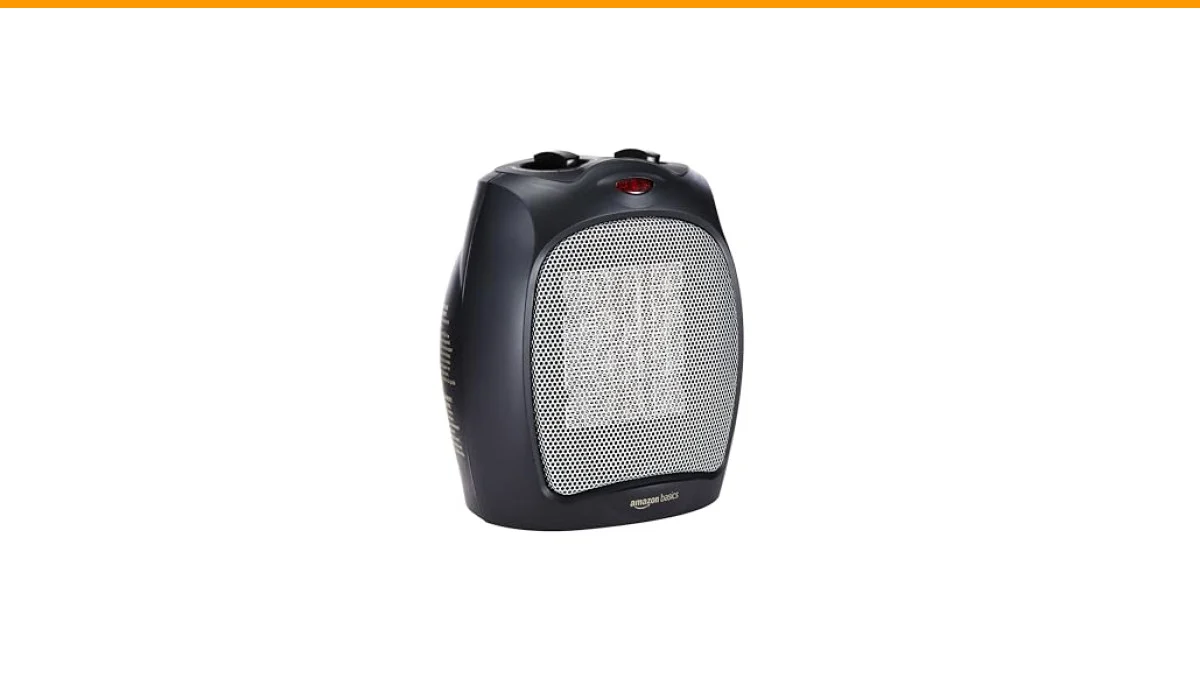
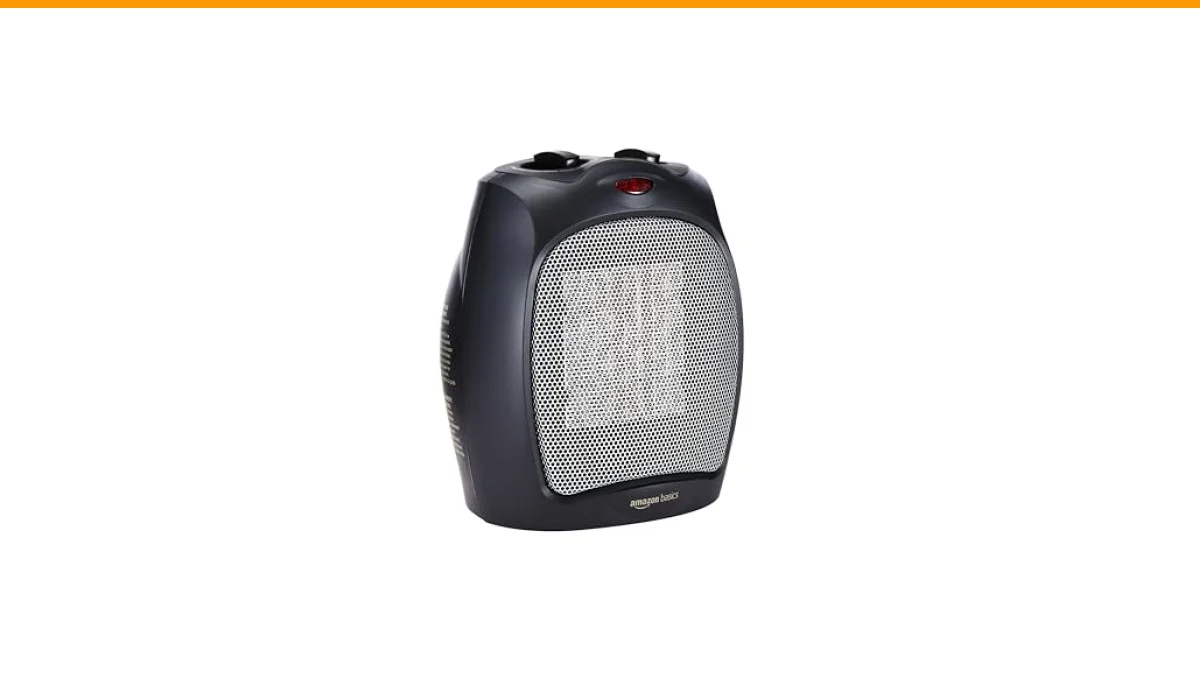
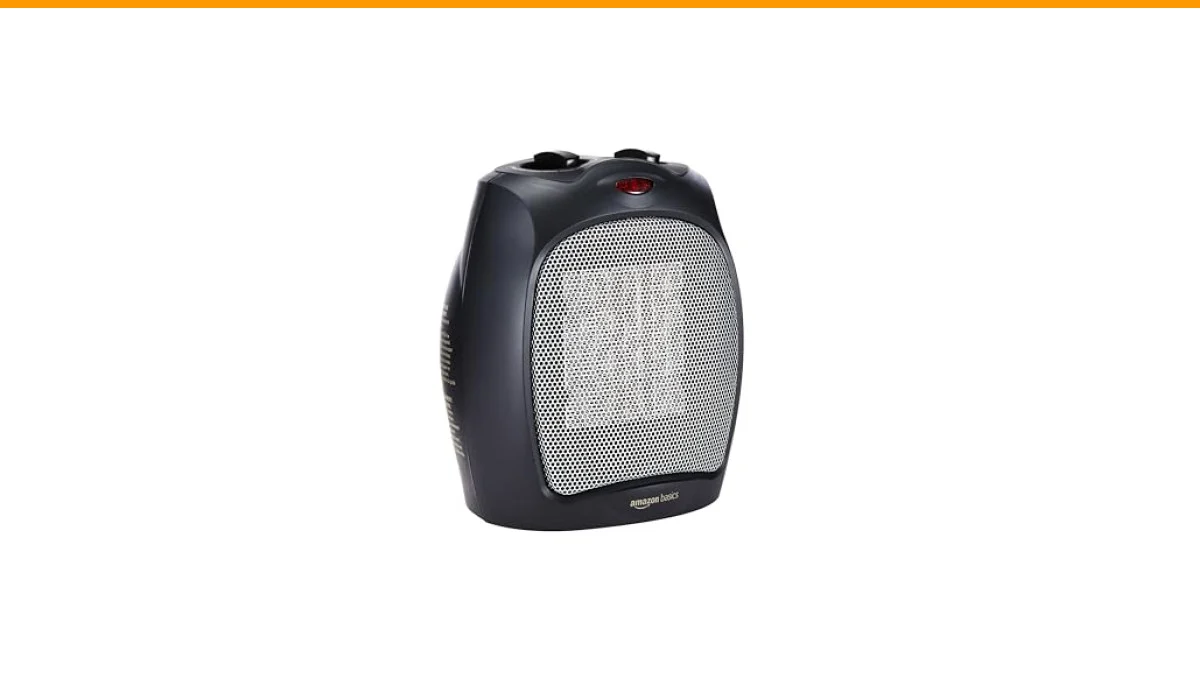
Amazon Basics Ceramic Space Heater, Portable Indoor Heating Solution, With Overheat and Tip-Over Protection, Thermostat, Non-Oscillating, 1500W, 7.52"D x 6.34"W x 9.45"H, Black
- CUSTOMIZABLE HEATING OPTIONS: Choose from three settings to suit your needs - High (1500W), Low (900W), or Fan Only for air circul…
- COMPACT & PORTABLE: Weighing just 3 lbs and sized at 7.5“L x 6.3”W x 9.5“H, this space heater is easy to move and perfect for your…
- Built-in Tip-Over Protection, Overheat Protection, and a Power Indicator Light for safe operation.
The Amazon Basics Ceramic Space Heater is an excellent choice for anyone seeking a portable and efficient heating solution. With customizable settings and built-in safety features, this heater makes it easy to stay warm without worrying about safety hazards.
 How Does A Ceramic Heater Work | Tommy's WorldWatch on YouTube
How Ceramic Heaters Operate
Ceramic heaters use ceramic heating elements to generate heat. When electricity passes through these elements, they warm up rapidly. The heat is then transferred to the surrounding air through convection. This method allows for quick heating of a space, making ceramic heaters an effective choice for small to medium-sized rooms.
Most ceramic heaters have a fan that circulates the warm air. The combination of convection and forced air means you can feel the effects almost immediately after turning the unit on, typically within minutes. The heating capacity generally ranges from 900 to 1500 watts, allowing you to choose a setting that fits your heating needs.
Advantages of Ceramic Heaters
One of the biggest benefits of ceramic heaters is their energy efficiency. These heaters typically use less power compared to traditional heating methods, which helps reduce energy costs. In fact, many ceramic models allow you to select different power settings, such as high (1500W), low (900W), and fan-only mode, giving you flexibility based on your heating needs.
Another advantage is their portability. Most ceramic heaters are lightweight and compact, making them easy to move from room to room. This is particularly useful in homes or offices where different spaces may require heating at different times.
Safety is also a priority with ceramic heaters. Many models, like the Amazon Basics Ceramic Space Heater, come equipped with safety features such as overheat protection and tip-over protection, which automatically shut off the unit if it becomes too hot or is knocked over.
Understanding Heating Efficiency
Ceramic heaters are known for their efficiency, but how does this translate into real-world use? For example, a 1500W ceramic heater can effectively heat a room of about 150 square feet, depending on insulation and ambient temperature. With a noise level around 43 dB, these heaters provide quiet operation, allowing you to work or relax without distraction.
In contrast to traditional electric resistance heaters, ceramic heaters warm up faster, which means less waiting time for heat. They utilize less energy to maintain warmth, making them a more economical choice for space heating.
Comparative Overview of Heating Methods
| Heating Method | Heating Speed | Energy Efficiency | Portability | Safety Features |
|---|---|---|---|---|
| Ceramic Heaters | Fast (minutes) | High | Yes | Yes |
| Oil-Filled Radiators | Slow (30 mins) | Moderate | No | Limited |
| Infrared Heaters | Fast (minutes) | Moderate | Yes | Limited |
| Traditional Electric Heaters | Moderate (minutes) | Low | No | Limited |
What is the lifespan of a ceramic heater?
A well-maintained ceramic heater can last anywhere from 3 to 10 years, depending on usage and care. Regular cleaning and avoiding overuse can extend its lifespan.
Can ceramic heaters be used in bathrooms?
Most ceramic heaters are not suitable for humid environments, such as bathrooms or laundry rooms. It’s best to use them in dry areas to prevent damage.
Are ceramic heaters energy efficient?
Yes, ceramic heaters are generally energy efficient. They heat up quickly and maintain warmth effectively, leading to lower electricity bills compared to other heating methods.
How do I clean my ceramic heater?
Cleaning is simple. Unplug the heater, use a soft cloth to wipe down the exterior, and ensure the air vents are free of dust. Regular cleaning helps maintain efficiency.
What safety features should I look for?
Look for overheat protection, tip-over protection, and a power indicator light. These features enhance safety and ensure the heater operates without risks.
Practical Takeaways
- Ceramic heaters provide quick, efficient heating for small to medium spaces.
- Portability makes them ideal for moving around the home or office.
- Choose models with safety features like overheat and tip-over protection.
- Consider energy efficiency to save on utility bills.
- Keep ceramic heaters in dry areas to prolong their lifespan.
- Regular maintenance ensures optimal performance and safety.
- For a reliable option, check out the Amazon Basics Ceramic Space Heater.