As winter approaches, many people look for efficient ways to heat their homes. You might find yourself in a chilly room, wishing for a quick heat-up without the hassle of central heating. This is where ceramic heaters come into play. They are popular for their quick heating capabilities and compact size. But you may wonder, are ceramic heaters safe for your home? In this article, we’ll explore their safety features, potential risks, and how to use them safely.
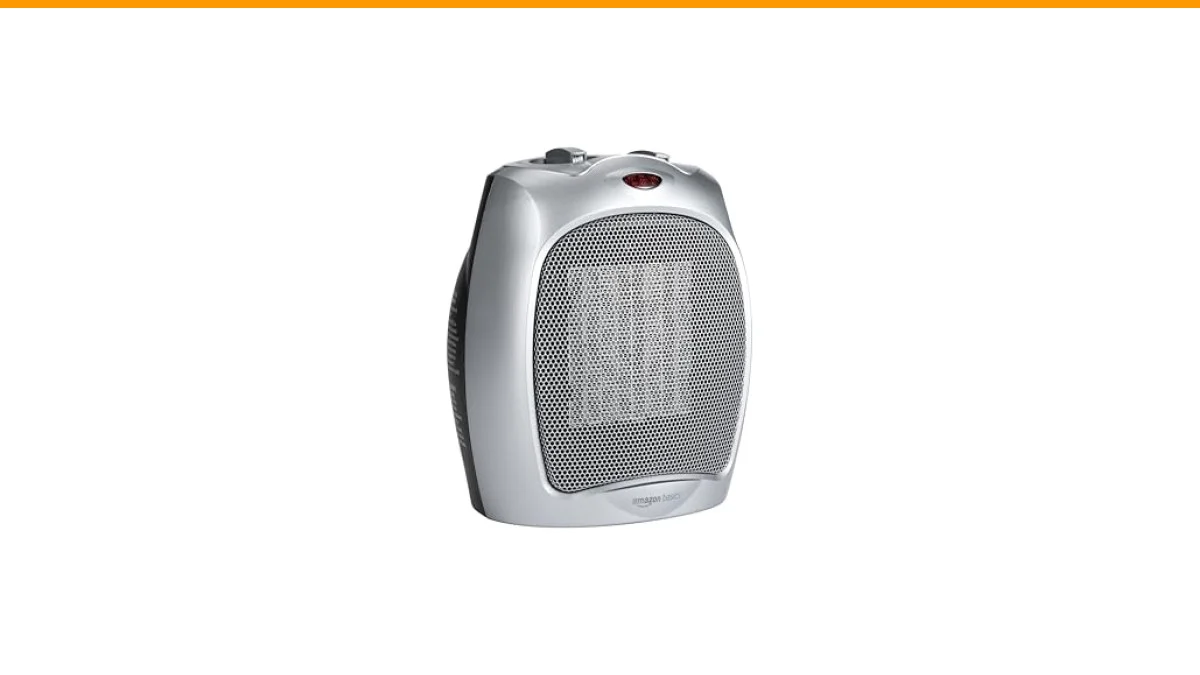
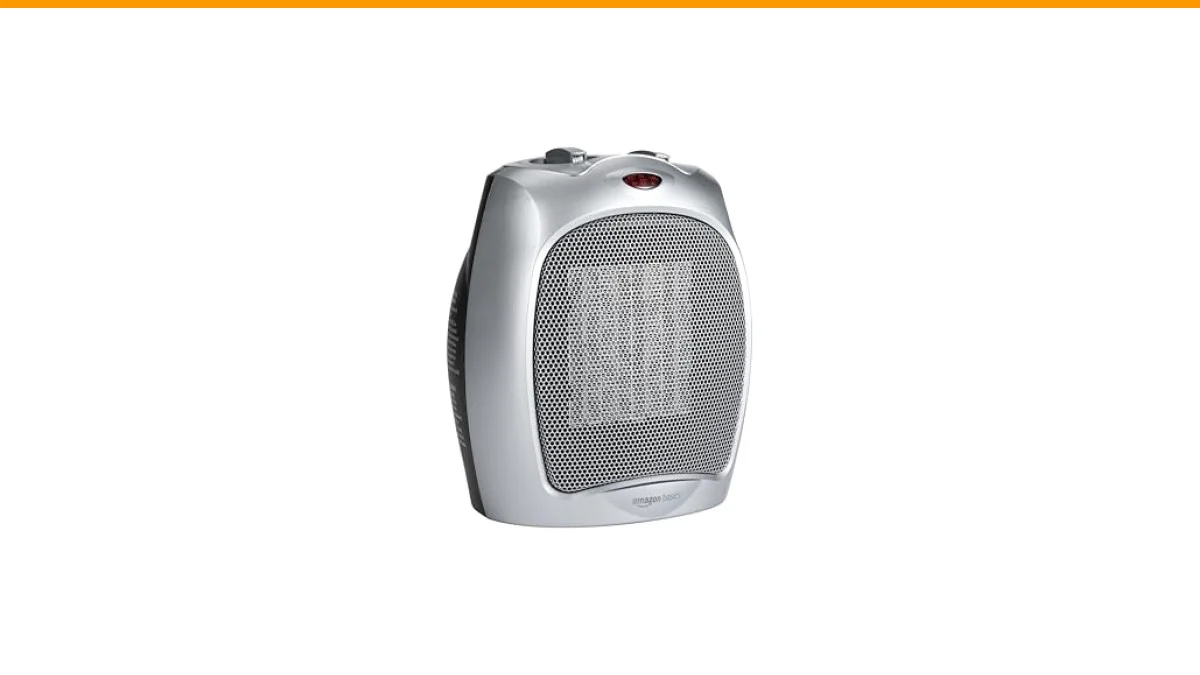
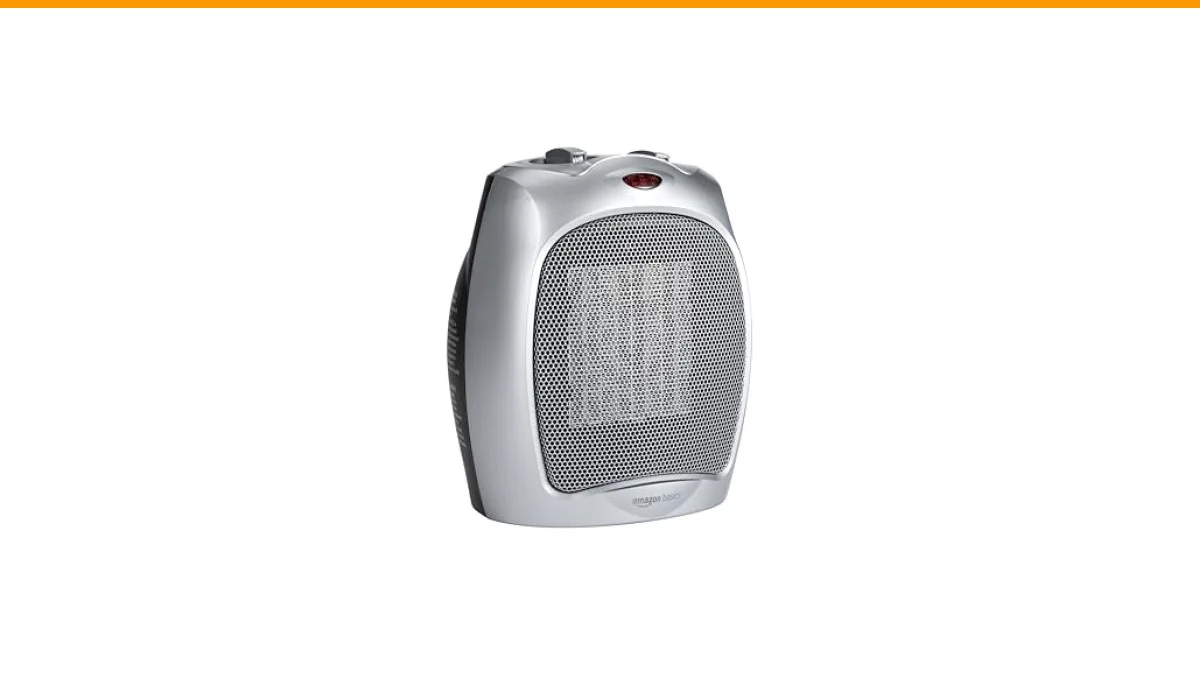
The Amazon Basics Ceramic Space Heater is one option worth considering. It offers customizable heating settings, including high and low options, along with built-in safety features like tip-over and overheat protection. This makes it a practical choice for indoor heating.

Amazon Basics
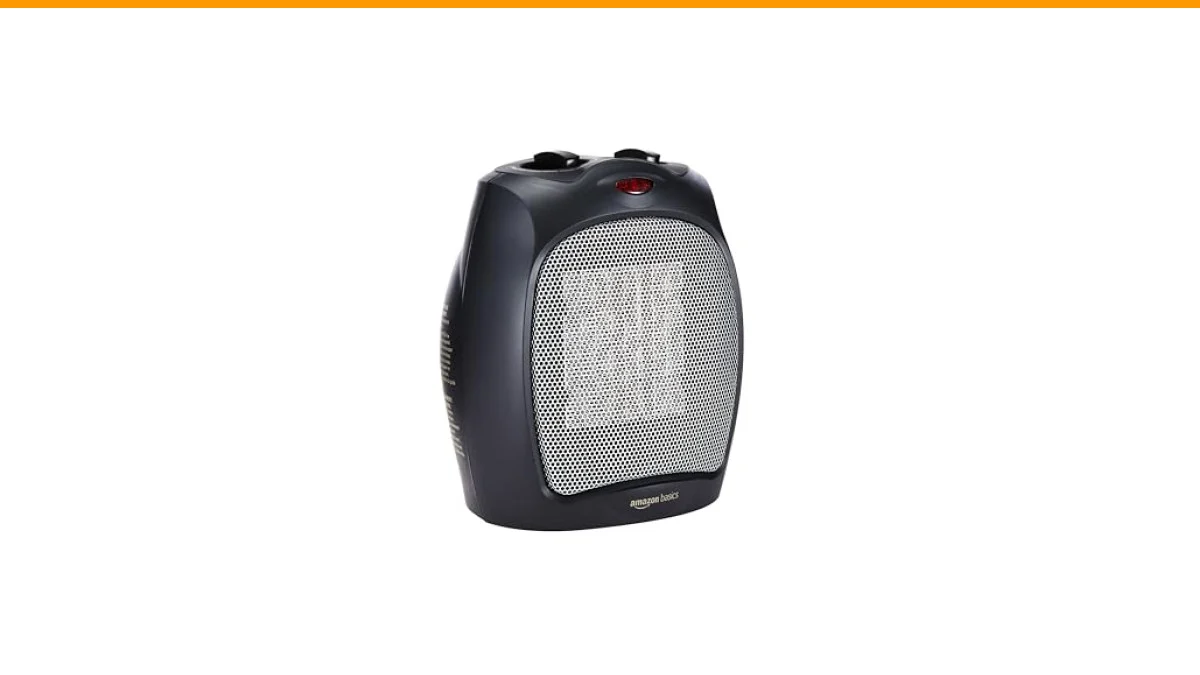
Amazon Basics Ceramic Space Heater, Portable Indoor Heating Solution, With Overheat and Tip-Over Protection, Thermostat, Non-Oscillating, 1500W, 7.52"D x 6.34"W x 9.45"H, Black
- CUSTOMIZABLE HEATING OPTIONS: Choose from three settings to suit your needs - High (1500W), Low (900W), or Fan Only for air circul…
- COMPACT & PORTABLE: Weighing just 3 lbs and sized at 7.5“L x 6.3”W x 9.5“H, this space heater is easy to move and perfect for your…
- Built-in Tip-Over Protection, Overheat Protection, and a Power Indicator Light for safe operation.
Are Ceramic Heaters Safe?
Ceramic heaters are generally safe when used correctly. They are designed with safety features that minimize risks, but understanding their operation and following guidelines is essential for safe use.
 Oil-Filled vs Ceramic Heaters, Which Is Safer and Cheaper to Run?Watch on YouTube
Understanding Ceramic Heater Safety Features
Ceramic heaters incorporate several safety features that contribute to their overall safety profile. Key among these are:
- Tip-Over Protection: Most modern ceramic heaters come with a built-in sensor that turns the unit off if it tips over. This is crucial if you have pets or small children around.
- Overheat Protection: This feature automatically shuts off the heater if it overheats, preventing potential fire hazards.
- Cool-to-the-Touch Exteriors: Many ceramic heaters are designed with materials that remain cool on the outside, reducing the risk of burns.
These features make ceramic heaters a safer option compared to traditional space heaters. Still, no heating device is without risks, so understanding how to use them safely is essential.
Proper Use of Ceramic Heaters
To ensure safe operation, follow these guidelines:
- Placement: Always place your ceramic heater on a flat, stable surface, away from flammable materials like curtains, furniture, and bedding.
- Supervision: Never leave a ceramic heater unattended, especially in rooms with children or pets.
- Regular Checks: Inspect the heater regularly for any signs of damage or wear. This includes checking the power cord for frays or breaks.
- Avoid Humid Areas: Do not use ceramic heaters in bathrooms or other humid environments, as moisture can increase the risk of electric shock.
Following these steps can significantly reduce the risks associated with using ceramic heaters.
Comparing Ceramic Heaters to Other Heating Options
When considering heating solutions, it’s helpful to know how ceramic heaters stack up against other types. The table below provides a quick comparison:
| Feature | Ceramic Heaters | Oil-Filled Radiators | Infrared Heaters |
|---|---|---|---|
| Heating Speed | Quick (minutes) | Slow (takes time to warm up) | Instant heating |
| Portability | Highly portable | Moderate portability | Usually less portable |
| Energy Efficiency | Moderate | High | High |
| Safety Features | Good (tip-over, overheat) | Good (overheat protection) | Varies |
This comparison shows that while ceramic heaters are efficient and portable, they may not be the best in terms of energy savings compared to oil-filled or infrared heaters. However, their safety features and quick heating capabilities often make them a favored option.
Common Questions About Ceramic Heater Safety
1. Can ceramic heaters catch fire?
Ceramic heaters are designed to minimize fire risks. They have built-in safety features that automatically shut them off if they overheat or tip over. However, always place them away from flammable materials.
2. Are ceramic heaters safe for children?
Yes, ceramic heaters can be safe for children when used correctly. Ensure they are placed out of reach and are not left unattended.
3. Do ceramic heaters use a lot of electricity?
Ceramic heaters typically use between 750 to 1500 watts. This can lead to higher electricity bills if used extensively, but they are generally more efficient than central heating systems.
4. Can you leave ceramic heaters on overnight?
It’s not recommended to leave ceramic heaters on overnight without supervision. If you must, ensure it has safety features like tip-over protection and is placed away from any flammable materials.
5. How do I maintain a ceramic heater?
Maintain your ceramic heater by regularly checking for dust buildup, inspecting the power cord, and ensuring all safety features are functioning correctly. Keep it clean and free from any obstructions.
Final Thoughts on Ceramic Heater Safety
- Ceramic heaters are generally safe with built-in safety features like tip-over and overheat protection.
- Proper placement and supervision are key to safe operation.
- Regular maintenance helps ensure the heater operates safely and efficiently.
- They are portable and quick to heat spaces, making them ideal for small rooms.
- Always avoid using ceramic heaters in humid areas to reduce electric shock risks.
- While they consume moderate electricity, they offer efficient heating when needed.
- Consider your specific heating needs and compare options for the best choice.
For more insights on heating options, check out our articles on space heater safety and energy efficiency.