 9 Cheapest Ways To Heat Your Home This WinterWatch on YouTube
Introduction
Winter can be harsh, and those cold nights often lead to high heating bills. You might find yourself bundled up under blankets with the thermostat set to an uncomfortable level. Instead of cranking up the central heating, many look for the cheapest way to heat a room with electricity. Understanding your options can significantly reduce costs while keeping your space warm.
In this article, you’ll learn about various electric heating methods, their efficiency, and practical solutions, such as portable heaters and smart thermostats. You’ll also discover how to select the best products for your needs, including the DREO Space Heater, which offers rapid heating and advanced safety features.

DREO
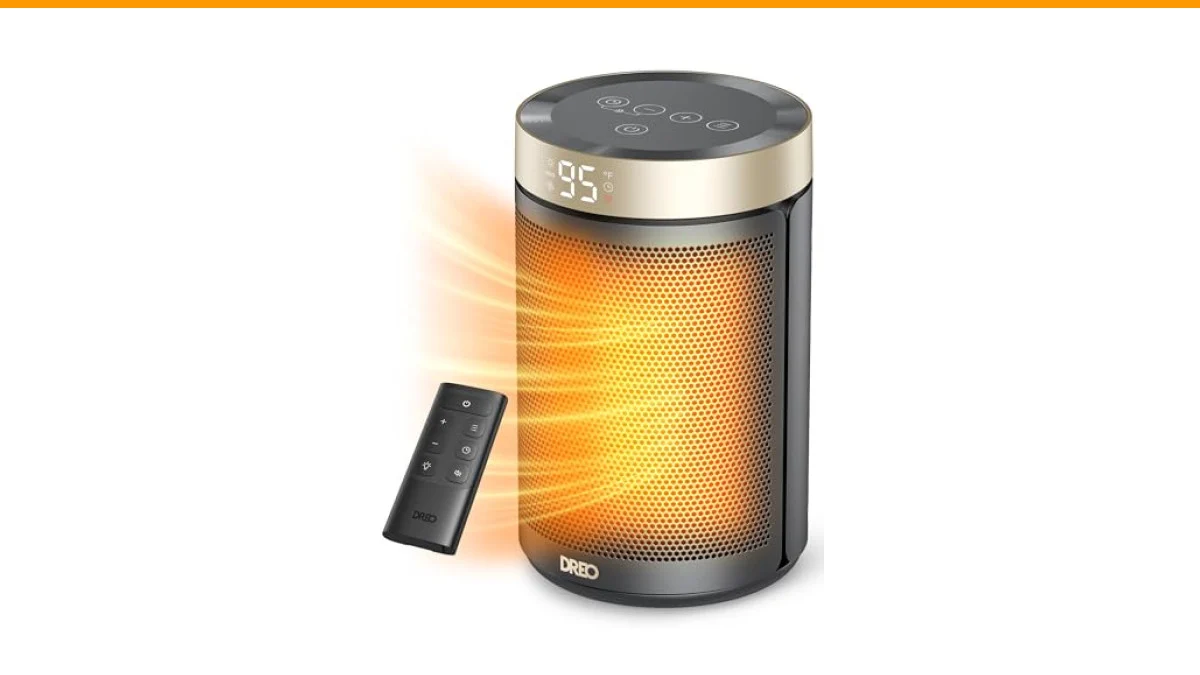
DREO Space Heater, Portable Electric Heaters for Indoor Use with Thermostat | 2026 Upgraded, 34dB Quiet, 12H Timer, 5 Mode, Remote, 1500W PTC Ceramic Fast Safety Heat for Office Bedroom Home, Gold
- Powerful heat that fits everywhere: DREO space heaters for indoor combines Hyperamics 1500W advanced PTC system with a new heat fu…
- Unbreakable safety:DREO goes beyond the unexpected to deliver peace of mind with every room heater. The innovative tilt-detection…
- Ultimate temperature control: The enhanced NTC chipset brings more precision to turn your space heater with thermostat into a smar…
The DREO Space Heater is an excellent option for those seeking efficient room heating. With its powerful 1500W advanced PTC system, this heater warms spaces quickly and quietly, making it an ideal choice for bedrooms or offices.
Understanding Electric Heating Options
When considering electric heating, it’s crucial to explore the various available methods. Factors like room size, insulation quality, and personal preferences play a significant role in selecting the right option. Here are some common methods:
- Portable Electric Heaters: These are versatile and can be moved from room to room. They generally cost less to operate than central heating and are perfect for spot heating.
- Baseboard Heaters: Installed along the walls, these units provide steady heat. While they can be effective, they often result in higher electricity bills.
- Infrared Heaters: These heaters warm objects and people directly rather than heating the air. They are typically energy-efficient but may not be ideal for larger spaces.
- Heat Pumps: Although a more significant investment, heat pumps can be an efficient long-term solution. They transfer heat rather than generating it, using less electricity overall.
Cost Efficiency of Electric Heating
Electric heating can be cost-effective if used wisely. Here are some tips to maximize efficiency:
- Use a Smart Thermostat: This technology allows you to schedule temperatures based on your daily routine, reducing unnecessary heating.
- Insulate Properly: Good insulation keeps heat from escaping. Check for drafts and seal windows and doors to maintain warmth.
- Zone Heating: Focus on heating only the rooms you use. Close doors to unoccupied spaces and turn off heaters in those areas.
It’s also essential to consider the energy source. Electric rates vary by region and time of use, so heating during off-peak hours can save you money.
Common Misconceptions About Electric Heating
No, More Watts Doesn’t Mean More Heat
A common myth is that higher wattage guarantees more heat. While wattage does influence heating speed, it doesn’t always correlate with efficiency. For instance, a well-designed heater like the DREO Space Heater effectively distributes heat with lower wattage than less efficient models. Focus on the type of heating technology rather than just wattage.
Electric Heat Is Not Always Expensive
Many believe that electric heating is inherently costly. This isn’t true. With the right strategies—such as selecting energy-efficient models and utilizing timers or smart thermostats—you can minimize costs significantly. For example, using a portable heater for short periods can be cheaper than running central heating all day.
Comparison of Electric Heating Methods
| Method | Initial Cost | Operating Cost | Efficiency |
|---|---|---|---|
| Portable Electric Heater | Low | Moderate | High |
| Baseboard Heater | Moderate | High | Moderate |
| Infrared Heater | Moderate | Low | Very High |
| Heat Pump | High | Low | Very High |
Frequently Asked Questions
How can I heat a room cheaply with electricity?
To heat a room cheaply, consider using a portable electric heater, ensuring good insulation, and utilizing a smart thermostat to manage your energy usage efficiently.
Are portable heaters safe to use?
Yes, most portable heaters are safe when used according to the manufacturer’s instructions. Look for features like tip-over protection and automatic shut-off, like those found in the DREO Space Heater.
What’s the difference between infrared and traditional electric heaters?
Infrared heaters warm objects and people directly, while traditional heaters warm the air. Infrared heaters are generally more energy-efficient for heating smaller spaces quickly.
Can I leave electric heaters on overnight?
While some electric heaters are designed for continuous use, it’s essential to check for safety features. Always follow the manufacturer’s guidelines to avoid risks.
What is the most energy-efficient way to heat a room?
Using a heat pump is often the most energy-efficient method, but for immediate needs, portable electric heaters can also be effective if used wisely.
Takeaways
- Explore various electric heating methods and their costs.
- Consider portable electric heaters for targeted heating.
- Invest in good insulation to keep heat indoors.
- Utilize smart thermostats to control usage efficiently.
- Understand wattage is not the only factor in heating effectiveness.
- Prioritize safety features when choosing electric heaters.
- Be mindful of peak and off-peak electricity rates for cost savings.

