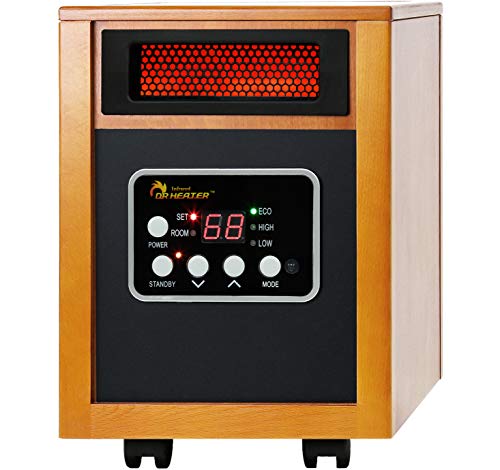
It’s a cold winter night, and you walk into a room that feels like an icebox. You flip the switch on your electric heater and, almost immediately, warmth envelops you. But as the hours pass, an unsettling thought creeps in: do electric heaters use a lot of electricity? This concern is common among homeowners and renters alike, especially as energy bills start to climb during the colder months.
This article will help you understand how much electricity electric heaters typically consume, factors that influence their energy use, and practical tips for managing costs effectively. You’ll walk away equipped with knowledge to make informed decisions about heating your space efficiently.
For those looking for specific product recommendations, consider exploring electric heaters designed for energy efficiency. Such models often come with features like programmable thermostats and eco modes, which help reduce electricity consumption while still keeping you warm.
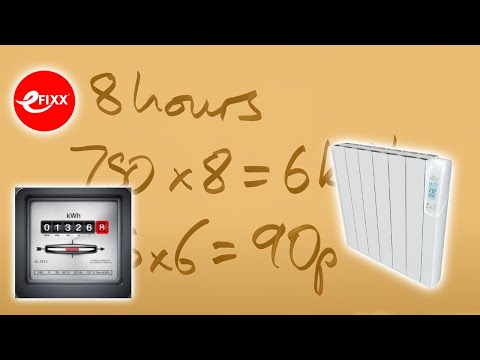 Do electric radiators use a lot of electricity? - Electric panel heaters vs oil filled radiatorsWatch on YouTube
Understanding Electric Heater Wattage
Wattage is a key factor in determining how much electricity electric heaters use. Most electric heaters range from 750 to 1500 watts per hour. For instance, a 1500-watt heater running for one hour consumes 1.5 kWh of electricity. If your electricity cost is $0.12 per kWh, running that heater for one hour would cost you about $0.18.
Here’s a simple breakdown of common wattage levels for different types of electric heaters:
- Portable Space Heaters: 750 to 1500 watts
- Infrared Heaters: 1000 to 1500 watts
- Baseboard Heaters: 500 to 1500 watts
Always check the manufacturer’s specifications to find out the exact wattage and expected energy consumption for your model.
Factors Influencing Electricity Use
The amount of electricity consumed by electric heaters can vary based on several factors:
- Size of the Heater: Larger heaters typically have higher wattage and, therefore, consume more electricity.
- Insulation of the Space: Well-insulated rooms retain heat better, reducing the time the heater needs to run.
- Temperature Settings: Higher temperature settings lead to longer run times, increasing energy use.
- Duration of Use: The longer you run the heater, the more electricity it consumes.
For example, if you run a 1500-watt heater for 8 hours a day, you’d use 12 kWh daily. At $0.12 per kWh, that’s roughly $1.44 per day.
Comparing Electric Heater Types
Choosing the right type of electric heater can impact energy efficiency significantly. Here’s a comparison of various electric heater types:
| Type of Heater | Wattage Range | Heating Method | Energy Efficiency |
|---|---|---|---|
| Portable Space Heater | 750 – 1500 watts | Convection | Moderate |
| Infrared Heater | 1000 – 1500 watts | Radiant | High |
| Baseboard Heater | 500 – 1500 watts | Radiant/Convection | Moderate to High |
| Wall-Mounted Heater | 750 – 1500 watts | Radiant/Convection | High |
Frequently Asked Questions
1. Do electric heaters use more electricity than gas heaters?
Electric heaters generally use less energy than gas heaters, but the cost per unit of electricity is often higher than gas. This can lead to higher overall heating costs, depending on local energy prices.
2. How can I reduce the electricity usage of my electric heater?
To save electricity, you can use a programmable thermostat, set the temperature lower, close off unused rooms, and ensure your home is properly insulated.
3. Are there electric heaters that are more energy-efficient?
Yes, look for electric heaters with energy-saving features such as timers, thermostats, and eco modes. Infrared heaters are often more efficient as they heat objects directly rather than the air.
4. How much electricity does a space heater use in a month?
If you run a 1500-watt space heater for 8 hours a day, you’ll use about 360 kWh in a month. At $0.12 per kWh, that costs roughly $43.20.
5. Can using an electric heater be cost-effective?
Electric heaters can be cost-effective for heating small spaces or supplementing central heating, especially if used in a well-insulated area. However, costs can add up if used extensively.
Practical Takeaways
- Electric heaters typically consume 750 to 1500 watts per hour.
- Higher wattage means higher energy bills; know your heater’s wattage.
- Insulation plays a big role in energy efficiency.
- Consider features like programmable settings to save on electricity.
- Infrared heaters often provide better efficiency than traditional models.
- Monitor usage to understand costs and look for energy-efficient models.
- Check local electricity rates to better estimate heating costs.