 Space Heater Vs Baseboard Heater: Which One Hottest?Watch on YouTube
Introduction to Heating Systems
As winter approaches, the need for effective heating solutions becomes apparent. Homeowners often find themselves weighing options like convector heaters and baseboard heaters. Each type of heating system has its own advantages and drawbacks, making it essential to understand their differences to choose the best fit for your home. This article aims to provide an in-depth comparison of convector and baseboard heaters, covering their operation, efficiency, costs, environmental impact, and user experiences.
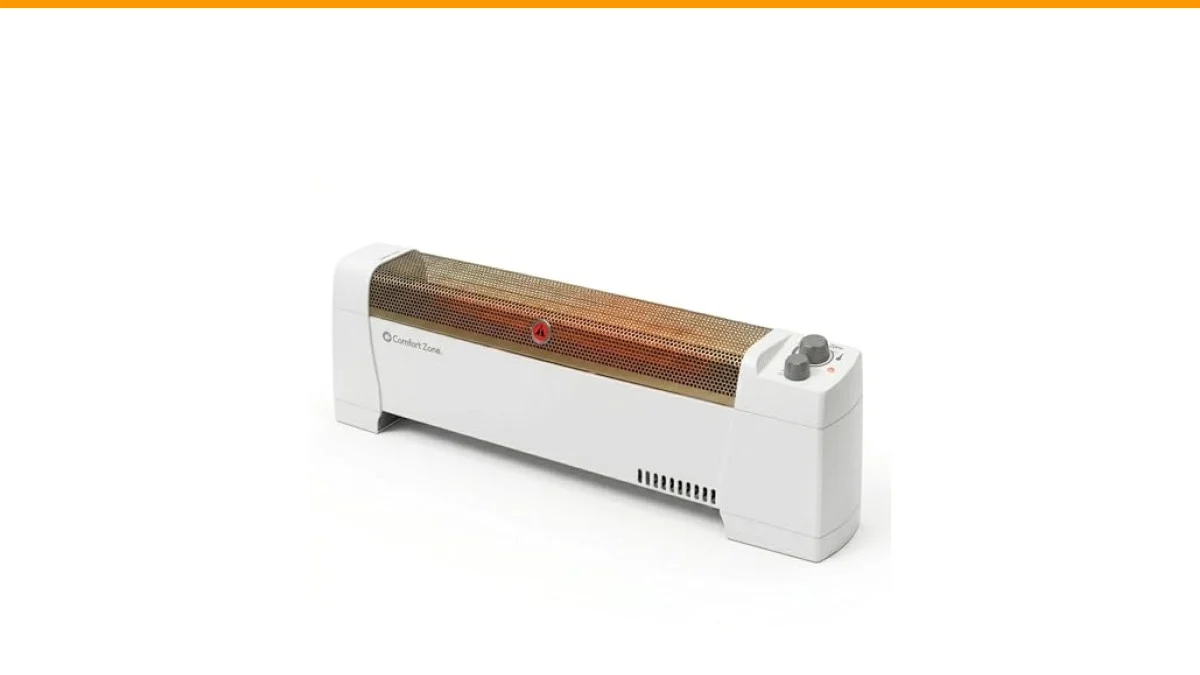
After reading, you’ll know the nuances between these two systems, allowing you to make an informed decision tailored to your heating needs. For instance, the Comfort Zone Electric Baseboard Space Heater offers a versatile heating solution, perfect for medium-sized rooms. With features like an adjustable thermostat and safety systems, it’s a solid choice for those considering baseboard heating.

COMFORT ZONE
COMFORT ZONE Convection Baseboard Space Heater with Manual Thermostat | Convection baseboard heater with 2 heat settings and a manual adjustable thermostat knob for easy temperature control.
- EFFICIENT AND VERSATILE HEATING: Designed for medium-sized rooms, this 1500 Watt convection baseboard heater delivers powerful per…
- SAFETY AT ITS BEST: Rest easy knowing that this heater prioritizes your safety. It is equipped with an advanced safety system, inc…
- WHISPER-QUIET OPERATION: Experience undisturbed tranquility in your space with this electric baseboard heater's silent operation.…
What is a Baseboard Heater?
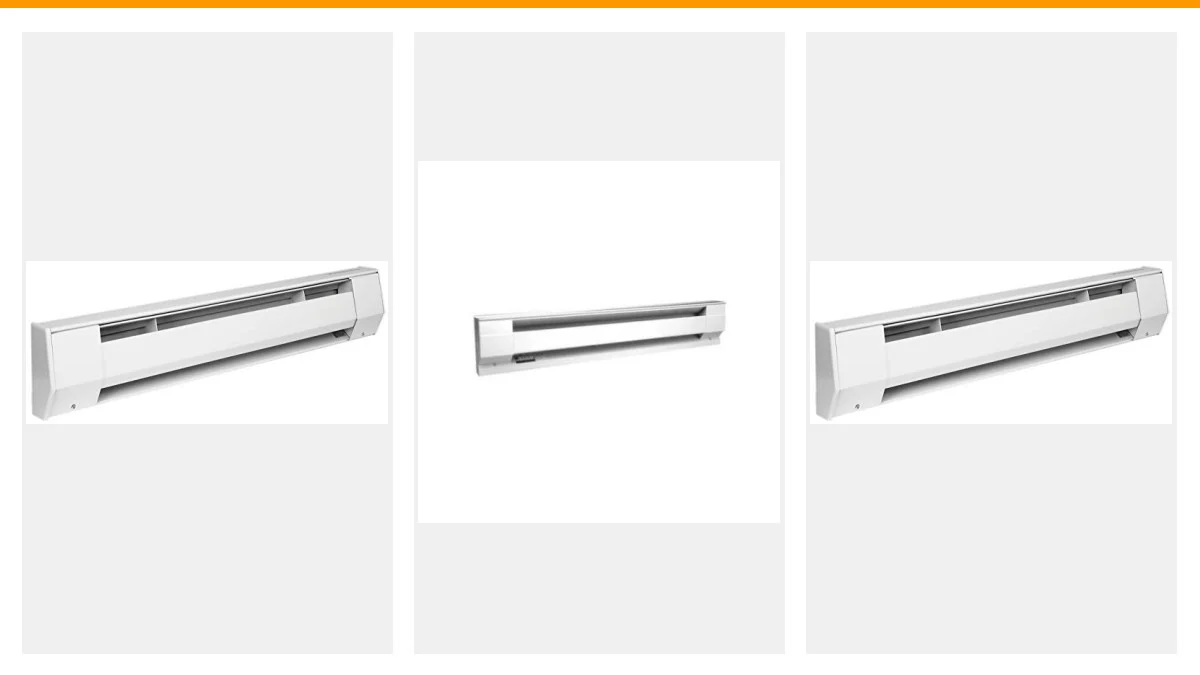
A baseboard heater is a type of heating system that is installed along the base of walls, generally close to the floor. These heaters operate by either convection or electric resistance heating. The primary function of a baseboard heater is to provide a steady flow of warmth within a room.
Baseboard heaters come in two main types: hydronic (water-based) and electric. Hydronic baseboard heaters use hot water circulated through pipes, while electric models use electrical resistance to generate heat. Both types are designed to maintain consistent room temperatures, making them suitable for various climates and home designs.
What is a Convector Heater?
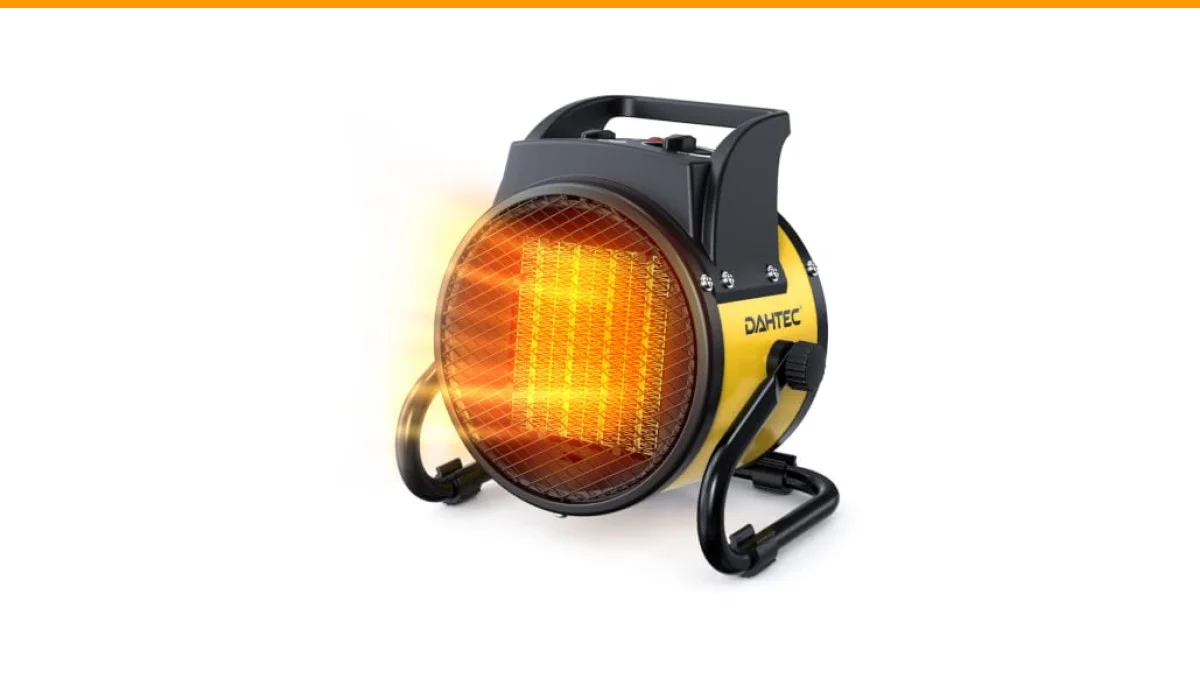
Convector heaters are designed to heat air through the process of convection. They draw in cold air from the room, heat it, and then release the warm air back into the space. This type of heater can be powered by electricity or hot water, depending on the setup.
The convection process is generally faster than that of baseboard heaters, as convectors can quickly circulate warm air throughout the room. They are often more compact and can be mounted on walls or placed on the floor, making them versatile for different spaces.
How Do Convector and Baseboard Heaters Work?
Baseboard heaters typically work by utilizing a heating element that warms the air directly above it. As the air heats up, it rises, and cooler air takes its place, creating a natural flow of warm air throughout the room. This process is efficient but can take time to heat a larger space.
In contrast, convector heaters quickly draw in cool air, heat it, and then expel warm air. This method allows for faster heating, making convector heaters ideal for spaces that need immediate warmth. The rate at which each type can heat a room depends on various factors, such as the size of the heater and the room’s insulation.
Key Differences Between Convector and Baseboard Heaters
| Feature | Baseboard Heater | Convector Heater |
|---|---|---|
| Heating Method | Convection or electric resistance | Convection |
| Installation | Installed along walls, can be hydronic or electric | Portable or wall-mounted |
| Heat Distribution | Gradual heat rise | Rapid heat circulation |
| Cost | Higher initial installation cost, lower long-term energy costs | Lower initial cost, variable energy efficiency |
| Noise Level | Generally quieter | Can be noisier due to fan operation |
| Safety Features | Overheat protection in most models | Varies by model |
Cost Analysis: Installation and Long-term Energy Costs
Understanding the financial implications of heating systems is crucial. The installation costs of baseboard heaters can be higher, especially for hydronic systems, which require additional plumbing work. Electric baseboard heaters are more straightforward to install but may still involve significant labor costs.
On the other hand, convector heaters generally have a lower upfront cost. They are often portable and can be plugged in without extensive installation, making them appealing for renters or those looking for temporary solutions. However, energy costs can vary depending on usage patterns and the specific heater’s efficiency.
For long-term energy costs, baseboard heaters tend to be more efficient, particularly hydronic systems. They can maintain heat effectively and use less power over time. Convector heaters, while cheaper initially, might incur higher energy bills if used continuously, especially if they rely on electricity as their power source.
Environmental Impact of Heating Systems
The environmental impact of heating systems can be significant. Baseboard heaters, particularly hydronic systems, can be more eco-friendly if powered by renewable energy sources like solar or wind. They efficiently use energy and maintain heat well, leading to lower carbon footprints.
Conversely, convector heaters can vary in their environmental impact based on the energy source used for electricity. If powered by fossil fuels, they can contribute more to greenhouse gas emissions. Opting for energy-efficient models and using them wisely can mitigate some of these impacts.
Smart Technology Integration in Heating Solutions
Today’s heating solutions often come with smart technology features, allowing users to control their heating remotely or through smart home systems. Many modern baseboard heaters are equipped with programmable thermostats and Wi-Fi capabilities, enabling better energy management and convenience.
Convector heaters are also beginning to incorporate smart technology, though it may not be as widespread. Some models offer app connectivity and smart home compatibility, but the options are still limited compared to baseboard heaters. This integration can lead to significant energy savings and improved user experience.
User Experiences: Testimonials and Case Studies
User experiences can provide valuable insights into the performance of heating systems. Many homeowners appreciate the consistent warmth offered by baseboard heaters, noting their effectiveness in maintaining comfortable temperatures in larger spaces. For example, one user mentioned their electric baseboard heater kept their 1,200-square-foot home warm even during record low temperatures.
Conversely, users of convector heaters often highlight their portability and ease of use. One user shared how they moved their convector heater between rooms, allowing them to enjoy warmth wherever they went. However, some noted that convector heaters may struggle to heat larger areas quickly.
Choosing the Right Heater for Your Home
Selecting the right heating system depends on various factors, including room size, insulation, and personal preferences. For larger homes needing consistent heat, a baseboard heater may be the best fit. The Comfort Zone Electric Baseboard Space Heater, for instance, offers reliable heating with safety features, making it a practical choice.
For smaller spaces or those needing flexibility, convector heaters provide a quick and portable solution. They are ideal for quick heating in rooms where you spend limited time. Assessing your specific needs will help you make the right choice.
Installation and Safety Considerations
When installing heating systems, safety is paramount. Follow the manufacturer’s guidelines carefully. Baseboard heaters generally require professional installation, particularly hydronic systems. Ensure that electric heaters are correctly wired to prevent electrical hazards.
Convector heaters are often simpler to set up, but they still require attention to safety. Keep them away from flammable materials and ensure proper ventilation, especially when using gas-powered models. Always check for safety certifications to ensure compliance with regulations.
Maintenance Tips for Both Heater Types
Regular maintenance is essential for prolonging the lifespan and efficiency of both heating systems. For baseboard heaters, periodic cleaning is necessary to remove dust buildup. This can improve air quality and heating efficiency.
Convector heaters require similar attention. Keep the heating element free from dust and debris, and check for any signs of wear regularly. Some convector models may need annual inspections if they are gas-powered. Keeping these systems well-maintained ensures they operate efficiently and safely.
Frequently Asked Questions
1. Which heater is more energy-efficient?
In general, baseboard heaters are more energy-efficient, especially hydronic models. They maintain heat better and use less energy over time compared to convector heaters.
2. Can I install these heaters myself?
While some convector heaters can be easily plugged in, baseboard heaters, especially hydronic systems, often require professional installation due to plumbing and electrical considerations.
3. How do I maintain my heating system?
Regular cleaning and inspections are crucial for both types of heaters. Dust buildup can hinder performance and air quality, so keep all heating elements clean.
4. Are there any safety concerns with these heaters?
Both heater types have safety features, but it’s essential to follow installation guidelines and keep them away from flammable materials. Check for recalls and safety certifications regularly.
5. How long do these heaters typically last?
Baseboard heaters can last 15-20 years with proper maintenance, while convector heaters may have a shorter lifespan of around 10-15 years, depending on usage and quality.
Final Considerations
- Baseboard heaters provide steady warmth and are suitable for larger spaces.
- Convector heaters offer flexibility and quick heating for smaller areas.
- Consider installation costs and long-term energy expenses when deciding.
- Evaluate the environmental impact of each heating solution based on energy sources.
- Look for smart technology features for better control and efficiency.
- Regular maintenance is key for both types of heating systems.
- Always prioritize safety by following manufacturer guidelines and keeping heaters clean.