Do Electric Space Heater Produce Carbon MonoxideWatch on YouTube
Introduction to Ceramic Heaters and Carbon Monoxide
As winter approaches, many people seek effective ways to keep their homes warm without incurring high energy bills. Ceramic heaters have gained popularity due to their compact size, rapid heating capabilities, and safety features. However, a pertinent question arises: do ceramic heaters produce carbon monoxide? Understanding the implications of using ceramic heaters is essential for maintaining a safe indoor environment.
This article will delve into the safety aspects of ceramic heaters, specifically their potential for carbon monoxide emissions. Readers will walk away equipped with crucial information regarding ceramic heaters, safety tips, and maintenance practices to ensure safe heating.

Amazon Basics
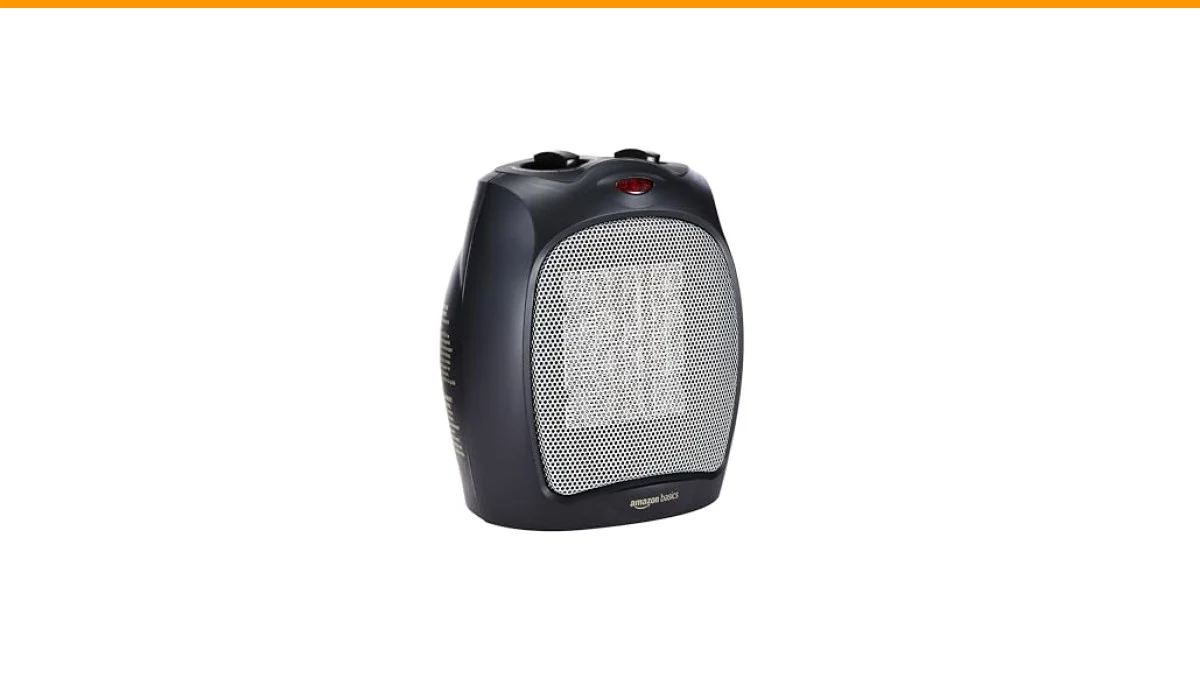
Amazon Basics Ceramic Space Heater, Portable Indoor Heating Solution, With Overheat and Tip-Over Protection, Thermostat, Non-Oscillating, 1500W, 7.52"D x 6.34"W x 9.45"H, Black
- CUSTOMIZABLE HEATING OPTIONS: Choose from three settings to suit your needs - High (1500W), Low (900W), or Fan Only for air circul…
- COMPACT & PORTABLE: Weighing just 3 lbs and sized at 7.5“L x 6.3”W x 9.5“H, this space heater is easy to move and perfect for your…
- Built-in Tip-Over Protection, Overheat Protection, and a Power Indicator Light for safe operation.
The Amazon Basics Ceramic Space Heater is a notable option in this category. This portable heater features customizable settings, overheat protection, and a compact design, making it a convenient heating solution for various spaces.
Short Answer: Ceramic heaters do not produce carbon monoxide because they are electric heaters that use ceramic plates for heat generation, unlike fuel-burning heaters.
Understanding Carbon Monoxide: Sources and Risks
Carbon monoxide (CO) is a colorless, odorless gas produced by burning fossil fuels. Common sources include gas appliances, furnaces, and vehicles. In enclosed spaces, CO can accumulate and pose serious health risks, including headaches, dizziness, confusion, and even death in extreme cases.
It’s essential to understand how carbon monoxide is produced in the first place. Fuel-burning devices, such as gas heaters and stoves, create CO as a byproduct of combustion. In contrast, electric heaters, including ceramic heaters, do not burn fuel and, therefore, do not produce carbon monoxide.
Do Ceramic Heaters Produce Carbon Monoxide?
Ceramic heaters operate using electrical energy to heat ceramic plates, which then radiate warmth into the surrounding area. Since these heaters do not rely on combustion processes, they do not emit carbon monoxide. This feature makes them a safer option for indoor heating.
Scientific Studies and Expert Opinions
Research consistently indicates that electric heaters, including ceramic models, are safe from carbon monoxide emissions. A study published by the Environmental Protection Agency (EPA) confirms that electric heating systems do not produce CO. Additionally, experts in home safety recommend using electric heaters in well-ventilated areas, as they can still contribute to other indoor air quality issues if not properly maintained.
Comparison with Other Heater Types: Emissions and Safety
When assessing the safety of heating devices, it’s helpful to compare ceramic heaters with other heating options. Below is a table summarizing the emissions and safety features of various heater types.
| Heater Type | Carbon Monoxide Emissions | Safety Features |
|---|---|---|
| Ceramic Heater | No CO emissions | Tip-over protection, overheat protection |
| Gas Heater | Possible CO emissions | Ventilation required, CO detectors recommended |
| Wood Stove | High CO emissions | Requires chimney, regular maintenance |
| Electric Space Heater | No CO emissions | Automatic shut-off, stable operation |
This comparison highlights the advantages of ceramic heaters over traditional gas or wood-burning options, particularly regarding CO emissions. For those concerned about indoor air quality, opting for electric ceramic heaters is a wise choice.
Safe Usage Guidelines for Ceramic Heaters
While ceramic heaters are generally safe, it’s crucial to follow best practices for their use. Here are some guidelines to ensure safe operation:
- Place the heater on a flat, stable surface to prevent tipping.
- Keep flammable materials, such as curtains and furniture, at least three feet away.
- Never leave the heater unattended while in operation.
- Use the heater in well-ventilated areas to maintain good air quality.
- Regularly inspect the heater for any signs of wear or damage.
Maintenance Tips to Prevent CO Production
Although ceramic heaters do not produce carbon monoxide, proper maintenance is essential for optimal performance. Here are a few tips:
- Clean the heater regularly to remove dust and debris that can affect efficiency.
- Check the power cord for damage and avoid using extension cords.
- Store the heater in a dry place when not in use.
- Inspect safety features, such as tip-over protection, to ensure they function correctly.
Importance of Ventilation in Heating Spaces
Even when using heaters that do not generate carbon monoxide, adequate ventilation is necessary. Good airflow helps reduce humidity and prevents the buildup of indoor pollutants. For ceramic heaters, ensure that the area remains well-ventilated, particularly during prolonged use. This practice promotes better indoor air quality and improves the efficiency of the heater.
Frequently Asked Questions about Ceramic Heaters and CO
1. Can ceramic heaters cause carbon monoxide poisoning?
No, ceramic heaters do not produce carbon monoxide, making them safe from this risk.
2. What types of heaters produce carbon monoxide?
Gas heaters, wood stoves, and any fuel-burning appliances can produce carbon monoxide due to combustion processes.
3. How can I ensure my ceramic heater is safe to use?
Follow usage guidelines, ensure good ventilation, and perform regular maintenance checks to keep your heater safe.
4. Are electric heaters more efficient than gas heaters?
Electric heaters, including ceramic models, often have higher efficiency ratings, especially in smaller spaces, as they convert almost all energy into heat.
5. Should I use a CO detector if I only use electric heaters?
While electric heaters do not produce carbon monoxide, having a CO detector can provide an additional safety measure in case of other potential sources.
Final Thoughts on Safe Heating Practices
- Ceramic heaters are safe and do not produce carbon monoxide.
- Regular maintenance and proper usage are key to ensuring safety.
- Good ventilation enhances indoor air quality and heater efficiency.
- Electric heaters are generally more efficient for small spaces.
- Consider using CO detectors for added peace of mind.
- When in doubt, consult with a heating professional for specific safety concerns.
- Always prioritize safety and comfort when selecting a heating option.