 This $6 Ceramic Trick Cuts Your Electric Bill in Half — And Your Utility Company Hates ItWatch on YouTube
Introduction to Ceramic Heaters and Their Efficiency
Winter can be harsh, and as temperatures drop, many people turn to space heaters to stay warm. However, while these devices can provide quick relief, they often come with high electricity bills. Understanding how to use a ceramic heater effectively can lead to significant savings on your monthly electric bill. This article will guide you through practical strategies to maximize the efficiency of a ceramic heater, ultimately helping you lower your energy costs.
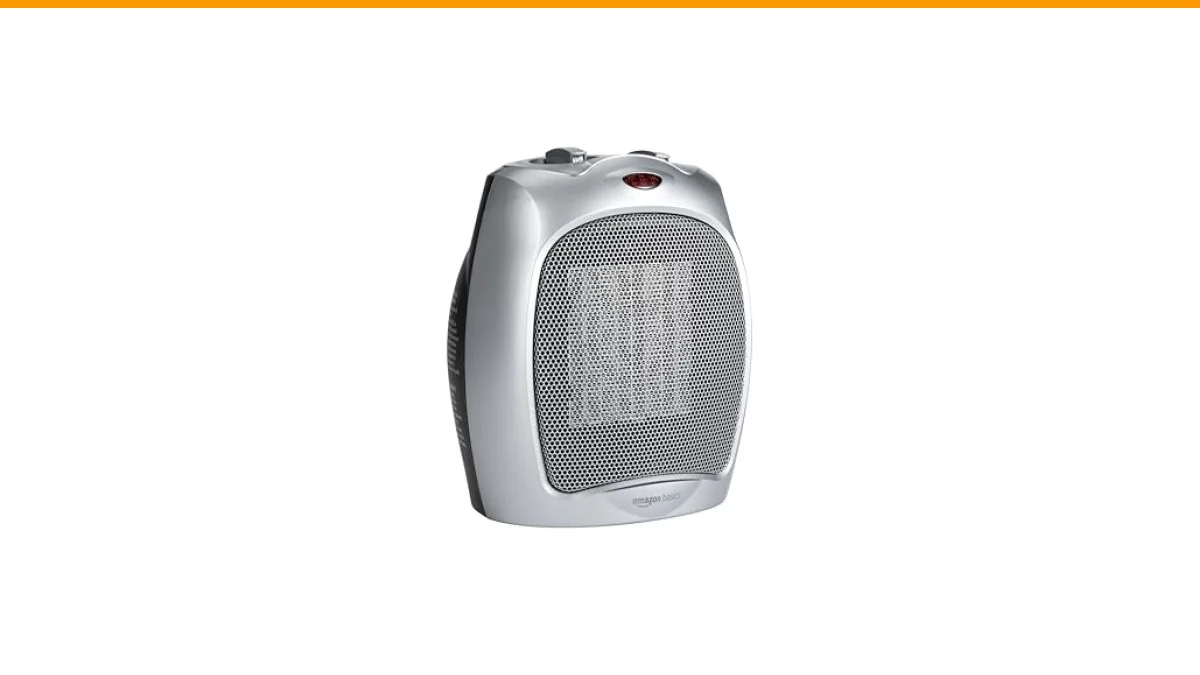
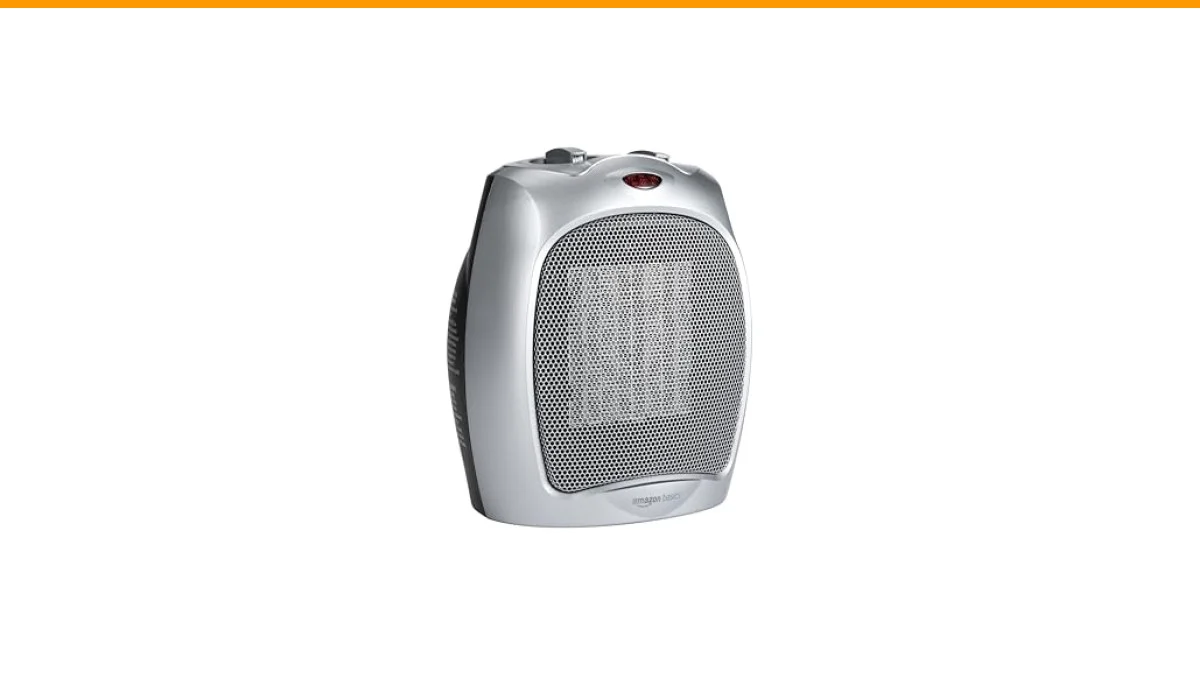
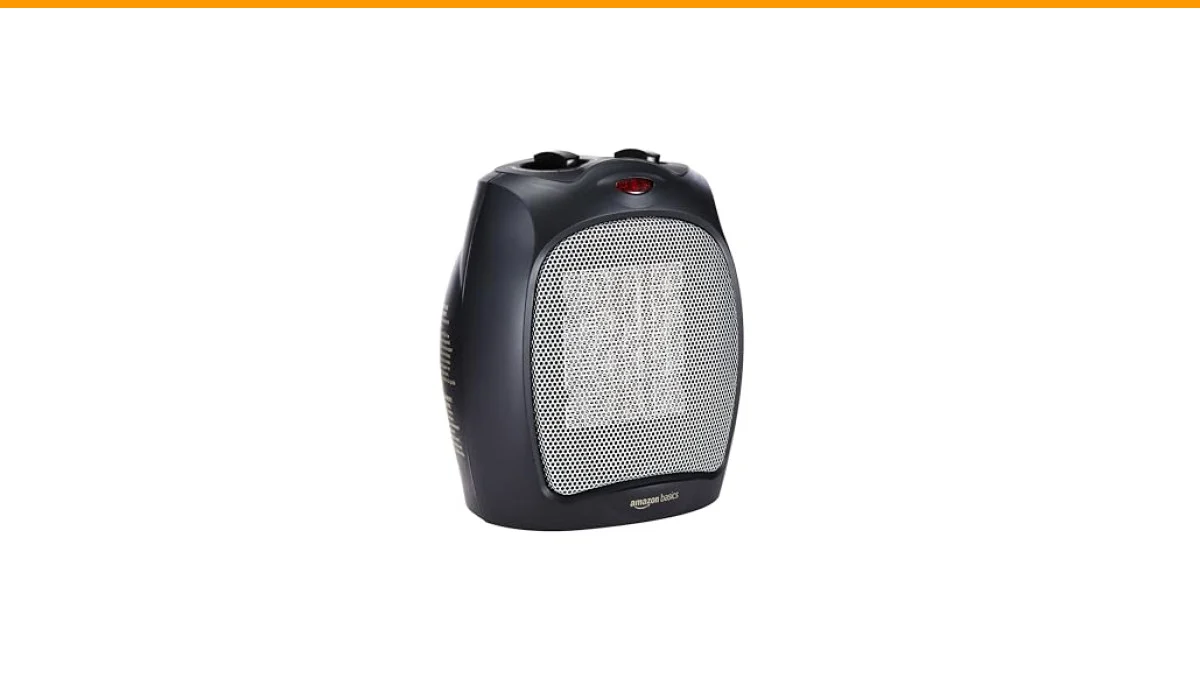
The Amazon Basics Ceramic Space Heater is an excellent option for those looking for a portable heating solution. Weighing just 3 lbs, it features customizable heating options, including high (1500W), low (900W), and a fan-only setting. With built-in safety features like tip-over protection and overheat protection, this heater balances efficiency and safety, making it a trustworthy choice for your home or office.
Understanding Your Electric Bill and Heater Costs
To effectively lower your electric bill with a ceramic heater, it’s essential to grasp how your electric bill is structured. The average electric rate in the U.S. is around 13 cents per kilowatt-hour (kWh). A ceramic heater typically uses between 750 and 1500 watts, which translates to:
- 1500 watts = 1.5 kW
- At 13 cents per kWh, running a 1500W heater for one hour costs approximately 19.5 cents.
- Using it for 8 hours daily could raise your bill by around $4.68 weekly.
Understanding these costs allows you to make informed decisions about your heater usage. For instance, using your heater during peak hours when electricity rates are higher can significantly impact your overall bill.
How to Maximize Efficiency with Ceramic Heaters
Maximizing the efficiency of your ceramic heater involves strategic placement, optimal settings, and regular maintenance. Here’s how to achieve that:
Placement Strategies for Optimal Heating
Placement plays a crucial role in how effectively a ceramic heater warms a space. Follow these tips for optimal placement:
- Keep it clear: Ensure there are no obstructions around the heater. Furniture, curtains, and other objects can block heat distribution.
- Centralize the heater: Place the heater in the center of the room to allow for even heat distribution.
- Close doors and windows: Minimize heat loss by sealing off areas that aren’t in use.
Thermostat and Settings Optimization
The Amazon Basics Ceramic Space Heater offers three settings to suit your heating needs. Here’s how to use them effectively:
- High setting (1500W): Ideal for quickly heating up a cold room.
- Low setting (900W): Use this setting for maintaining warmth without overloading your electric bill.
- Fan-only mode: Use this setting during milder days for air circulation, which can help prevent dampness and stale air.
Consider investing in a programmable thermostat. These devices can automatically adjust the heater’s settings based on your schedule, further optimizing energy use.
Maintenance Practices for Longevity and Efficiency
Regular maintenance extends the life of your heater and ensures efficient operation. Follow these simple practices:
- Clean the filter: Dust and debris can accumulate in the heater and reduce its efficiency. Clean the filter monthly.
- Inspect for damage: Regularly check for any signs of wear and tear, especially the cord and plug.
- Store properly: When not in use, store the heater in a dry place to prevent moisture damage.
Comparing Ceramic Heaters to Other Heating Options
When considering how to lower your electric bill with a ceramic heater, it’s vital to compare its efficiency to other heating methods.
Cost Analysis Across Different Heating Methods
Here’s a brief comparison of the costs associated with various heating methods:
| Heating Method | Average Wattage | Cost per Hour | Efficiency Rating |
|---|---|---|---|
| Ceramic Heater | 1500W | $0.195 | Efficient |
| Electric Baseboard | 2000W | $0.26 | Moderate |
| Gas Furnace | 750W (average) | $0.0975 | High |
| Heat Pump | 3000W | $0.39 | Very High |
As the table shows, while gas furnaces and heat pumps tend to be more energy-efficient, ceramic heaters are often more affordable for short-term heating needs and can be more effective than electric baseboards.
Environmental Impact of Heating Choices
Choosing the right heating solution impacts not only your wallet but also the environment. Traditional heating methods often rely on fossil fuels, contributing to greenhouse gas emissions. In contrast, ceramic heaters, especially when paired with renewable energy sources like solar panels, can significantly reduce your carbon footprint. If you’re concerned about environmental sustainability, consider switching to a ceramic heater or similar energy-efficient devices.
Real-Life Savings: User Experiences and Case Studies
Many users report substantial savings after switching to ceramic heaters. For example:
- A family in a 1500-square-foot home found that using a ceramic heater in their living room while keeping the rest of the house cooler saved them $50 on their monthly electric bill.
- A college student reported using a ceramic heater in their dorm room, cutting their heating bill in half compared to central heating.
These anecdotal experiences illustrate how effective ceramic heaters can be in lowering heating costs when used strategically.
Frequently Asked Questions About Ceramic Heaters
Do ceramic heaters use a lot of electricity?
Ceramic heaters typically use between 750W to 1500W. Their electricity usage can be managed by using them efficiently and choosing the right settings.
Can I leave a ceramic heater on all night?
While ceramic heaters are designed with safety features like tip-over protection, it’s generally safer to turn them off before sleeping. If you must leave it on, ensure it’s placed on a stable surface and not near flammable materials.
How can I improve the efficiency of my ceramic heater?
Improving efficiency involves proper placement, optimizing settings, and conducting regular maintenance. Ensure that the heater has a clear space around it and use the fan-only mode when appropriate.
How do ceramic heaters compare to infrared heaters?
Ceramic heaters warm the air around them, while infrared heaters directly heat objects in their path. Infrared can be more efficient in larger spaces, but ceramic heaters are typically more affordable and portable.
Are ceramic heaters safe to use?
Yes, modern ceramic heaters come equipped with safety features such as overheat protection and tip-over switches, making them safe for home use.
Final Thoughts: Is a Ceramic Heater Right for You?
- Understand your electric bill and the cost of running a ceramic heater.
- Maximize efficiency by using proper placement and settings.
- Regular maintenance extends the life and efficiency of your heater.
- Compare ceramic heaters to other heating methods to find what works best for your needs.
- Consider environmental impacts when choosing your heating solution.
- Learn from real-life user experiences to gauge savings.
- Stay informed about safety features and best practices for heater use.