Planning for Power Outages
Power outages can be disruptive, especially during colder months. Imagine a winter evening when the lights suddenly go out, leaving you in the dark and without heat. This scenario is a reality for many, particularly in areas prone to severe weather. Having a power outage heating plan in place is essential for maintaining warmth and safety during these times.
In this article, you will learn how to create a comprehensive heating plan for power outages. We’ll cover essential methods for heating your space, safety considerations, and effective products to keep on hand. This knowledge will empower you to stay warm and secure when the unexpected occurs.
Mr. Heater
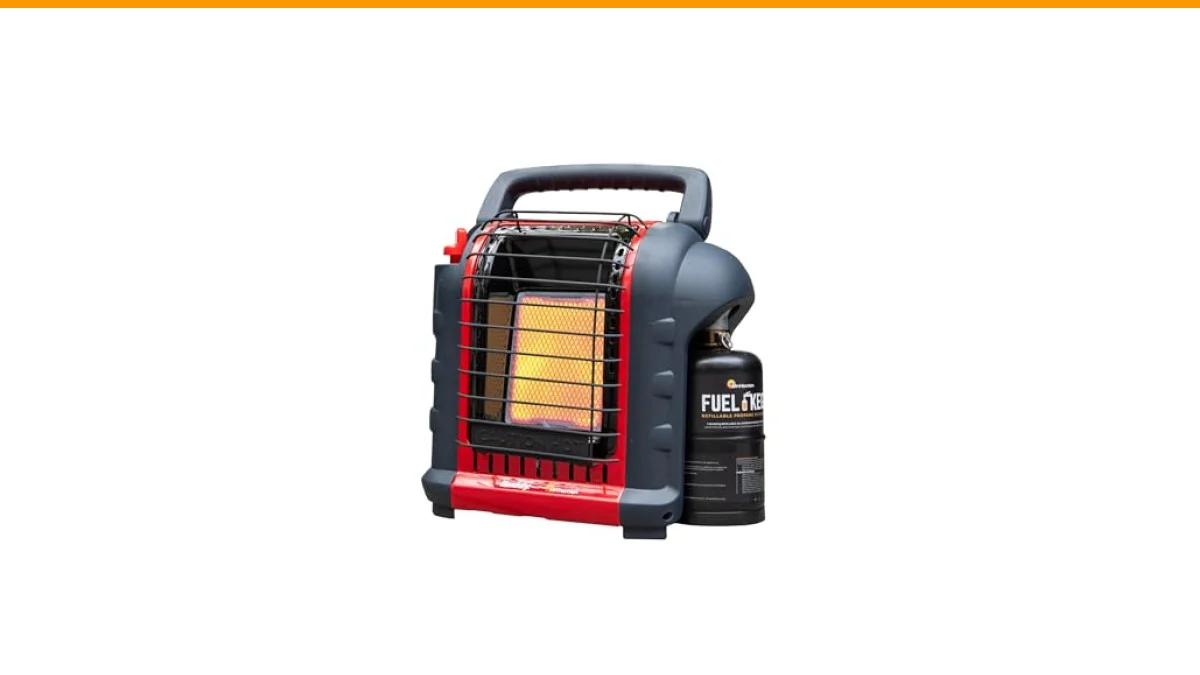
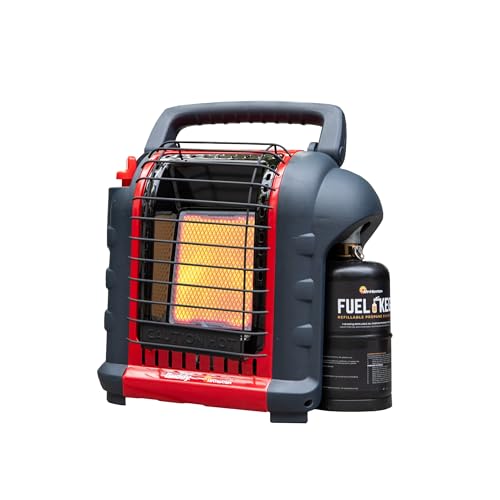
Mr. Heater 9,000 BTU Portable Buddy Radiant Propane Heater
- Emits 4,000 or 9,000 BTU/hr radiant heat
- Designed and approved for indoor and outdoor use
- Heats up to approximately 225 square feet
One product that can significantly aid in your heating efforts is the Mr. Heater 9,000 BTU Portable Buddy Radiant Propane Heater. This versatile heater provides radiant heat options of 4,000 or 9,000 BTU/hr and is designed for both indoor and outdoor use. It efficiently heats spaces up to 225 square feet while ensuring safety with its low oxygen safety system.
Understanding Heating Options
When planning for a power outage, it’s vital to consider the various heating methods available. Here are some effective options:
- Portable Propane Heaters: These heaters, like the Mr. Heater model mentioned earlier, can provide immediate warmth. They are easy to use and don’t require electricity, making them ideal during outages. Remember to ensure proper ventilation to avoid carbon monoxide buildup.
- Wood Stoves: If you have a wood stove, it can serve as an excellent heat source during outages. A well-stocked supply of firewood ensures you can keep the fire going.
- Heat Packs: Chemical heat packs can provide localized warmth. They are handy for individual comfort during short-term power outages.
- Blankets and Insulation: Keep extra blankets on hand. Insulating your home with heavy curtains or thermal blankets can help retain heat.
Creating a Heating Plan
Your power outage heating plan should be straightforward yet comprehensive. Here’s a step-by-step approach:
- Assess Your Space: Determine the size of the area you need to heat. This will guide your choice of heating equipment.
- Choose Your Heating Methods: Select one or more heating options based on your needs and resources. For example, combining a portable heater with blankets can enhance comfort.
- Gather Supplies: Stock up on necessary supplies, including propane, firewood, or heat packs. Ensure your equipment is in working order.
- Establish Safety Protocols: Understand the safety measures for each heating method. For propane heaters, ensure proper ventilation to prevent carbon monoxide accumulation.
- Practice Your Plan: Familiarize yourself with your heating equipment and protocols. Conduct a trial run to ensure everyone in your household knows how to react during an outage.
Comparing Heating Methods
| Heating Method | Pros | Cons | Best Use |
|---|---|---|---|
| Portable Propane Heater | Immediate heat, easy to use | Requires fuel, ventilation needed | Small to medium spaces |
| Wood Stove | Long-lasting heat, no electricity needed | Requires firewood, regular maintenance | Whole house heating |
| Heat Packs | Portable, easy to use | Short-term solution | Localized warmth |
| Blankets and Insulation | No cost, readily available | Passive method, requires preparation | All spaces |
Common Questions About Power Outage Heating Plans
1. How long can a propane heater run without stopping?
Most portable propane heaters can run for approximately 3-6 hours on a single 1-pound propane tank, depending on the heat setting.
2. What should I do if I smell gas from my propane heater?
If you smell gas, immediately turn off the heater, ventilate the area, and avoid using any electrical devices. Contact your gas supplier for assistance.
3. Can I use a generator to power my heating system?
Yes, if you have a generator, you can use it to power electric heaters, but ensure your generator is suitable for the power requirements of your heating system.
4. How can I improve insulation in my home for better heat retention?
Use heavy curtains, seal gaps around windows and doors, and consider thermal blankets to improve insulation during outages.
5. Is it safe to sleep with a propane heater on?
It’s generally not recommended to sleep with a propane heater on due to the risk of carbon monoxide buildup. Always prioritize ventilation and safety.
Final Thoughts
- Assess your heating needs before a power outage occurs.
- Choose reliable heating methods that suit your space.
- Keep a stock of fuel and necessary supplies.
- Understand safety protocols for each heating option.
- Practice your plan with all household members.
- Stay informed about local weather conditions and potential outages.
- Consider investing in a reliable portable heater for emergencies.



