Oil-Filled vs Ceramic Heaters, Which Is Safer and Cheaper to Run?Watch on YouTube
Introduction to Greenhouse Heating
Greenhouses provide a controlled environment for plants, allowing you to grow a variety of crops year-round. However, maintaining the right temperature can be challenging, especially during colder months. Poor temperature control can lead to stunted growth or even plant death. Finding an effective heating solution is crucial for any greenhouse owner.
Many gardeners turn to ceramic heaters for their efficient heating capabilities. These heaters not only warm the air but also help manage humidity levels, creating an ideal environment for plant growth. In this article, you’ll learn how to heat a greenhouse with a ceramic heater, focusing on installation, maintenance, and tips for maximizing heat efficiency.

VEVOR
VEVOR Greenhouse Heater, 1500W PTC Fast Heating With Overheat Protection | 25° Adjustable Angle, 3-Speed Setting Small Grow Tent Fan, Electric Portable for Green House, Flower Room, Workplace, Office
- PTC 3-Second Heating: Is your greenhouse humid? Is the air not circulating? This fast-heating dehumidifying heater releases 5100 B…
- IP20 Protection: Made of high-quality, high-hardness alloy steel, it features an IP20 protection design, making it fearless of for…
- Multi-Scene Application: Whether it's for chick brooding, plant tents, greenhouse insulation, or drying renovations, our heater of…
One product worth considering is the VEVOR Greenhouse Heater. This 1500W ceramic heater features quick heating capabilities, overheat protection, and multiple settings, making it a versatile option for any greenhouse.
Understanding Ceramic Heaters for Greenhouses
Benefits of Using Ceramic Heaters
Ceramic heaters offer several advantages when it comes to heating a greenhouse:
- Fast Heating: Ceramic heaters can heat up quickly, often within three seconds, providing immediate warmth to your plants.
- Humidity Control: These heaters help reduce moisture levels, preventing mold and mildew, which are detrimental to plant health.
- Energy Efficiency: Unlike traditional heaters, ceramic options typically use less energy, reducing your electricity bill while still maintaining a consistent temperature.
- Safety Features: Many ceramic heaters come with built-in safety features, such as overheat protection, ensuring peace of mind during use.
How Ceramic Heaters Work
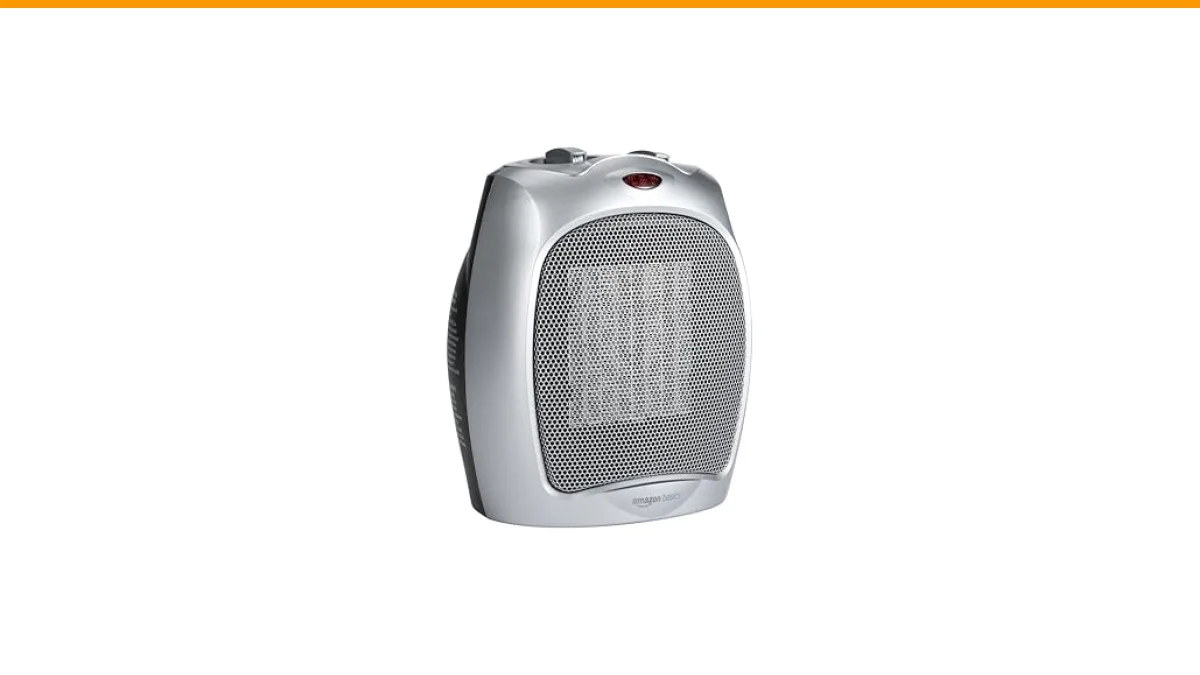
Ceramic heaters operate by passing electricity through ceramic plates. The plates heat up quickly, radiating warmth into the surrounding air. This process provides localized heating, allowing for better temperature control in specific areas of the greenhouse. The VEVOR Greenhouse Heater, for example, offers three-speed settings, allowing you to adjust the temperature based on your plants’ needs.
Comparing Heating Options: Why Choose Ceramic?
When considering how to heat a greenhouse, it’s essential to evaluate various heating options. Below is a comparison of ceramic heaters with other common heating methods:
| Heating Method | Efficiency | Cost | Ease of Use | Heat Distribution |
|---|---|---|---|---|
| Ceramic Heaters | High | Moderate | Easy | Localized |
| Gas Heaters | Moderate | High | Moderate | Even |
| Electric Radiant Heaters | High | High | Easy | Localized |
| Wood Stoves | Moderate | Low | Moderate | Even |
Ceramic heaters stand out for their energy efficiency and quick heating capabilities, making them an excellent choice for greenhouse heating.
Installation Guide for Ceramic Heaters
Tools and Materials Needed
Before installing a ceramic heater in your greenhouse, gather the following tools and materials:
- Ceramic heater
- Power drill and drill bits
- Screws and anchors (if mounting)
- Extension cord (if needed)
- Level
- Measuring tape
Step-by-Step Installation Process
- Choose the Location: Select a spot that allows for optimal heat distribution. Avoid corners where heat can be trapped.
- Mounting (if applicable): If you’re installing the heater on a wall, use the level and measuring tape to ensure it is straight. Drill holes and secure the heater using screws and anchors.
- Connect Power: If your heater requires hardwiring, consult an electrician. For plug-in models, ensure you have a suitable outlet nearby.
- Test the Heater: Once installed, turn on the heater to confirm it operates correctly. Monitor the temperature to ensure it’s heating the space adequately.
Maintenance and Care for Ceramic Heaters
Regular maintenance ensures your ceramic heater operates efficiently. Here are some maintenance tips:
- Clean Regularly: Dust and debris can accumulate on the heater, affecting its performance. Clean it with a damp cloth to keep it dust-free.
- Check Wiring: Periodically inspect the power cord and plug for wear and tear. Replace any damaged components immediately.
- Store Properly: If you’re not using the heater off-season, store it in a dry location to prevent rust or damage.
Tips for Maximizing Heat Efficiency in Your Greenhouse
Insulation Techniques
Proper insulation is key to retaining heat in your greenhouse. Consider these techniques:
- Use bubble wrap or thermal curtains to cover windows during colder months.
- Seal any gaps or cracks in the greenhouse structure to prevent drafts.
- Incorporate thermal mass materials, like water barrels, to retain heat during the night.
Reducing Heat Loss
Minimizing heat loss is vital for maintaining a consistent temperature. Here are some strategies:
- Use a programmable thermostat to regulate heat levels automatically.
- Install a windbreak around the greenhouse to reduce exposure to cold winds.
- Consider using heat mats for seedlings, providing localized warmth without excessive energy use.
Case Studies: Success Stories from Greenhouse Owners
Many greenhouse owners have successfully implemented ceramic heaters for efficient heating:
- John from Ohio: John installed a ceramic heater in his 200-square-foot greenhouse. He noticed a significant reduction in energy costs and healthier plants, thriving through winter.
- Susan from California: Susan uses a ceramic heater alongside passive solar techniques. She found that the heater helps maintain a consistent temperature during cold snaps, ensuring her tropical plants survive.
Next Steps for Your Greenhouse Heating Journey
- Evaluate your greenhouse size and heating needs.
- Consider investing in a ceramic heater like the VEVOR model for efficient heating.
- Implement insulation techniques to retain heat better.
- Regularly maintain your heater for optimal performance.
- Monitor temperature levels and adjust settings based on seasonal changes.