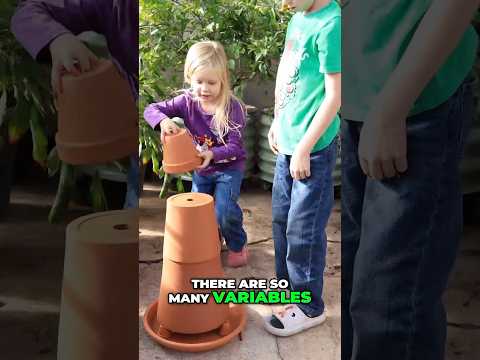
 DIY Terracotta Heater: Amazing Heat for Cold GreenhousesWatch on YouTube
Introduction to Greenhouse Heating
Winter gardening can be a rewarding experience, but it often comes with challenges, particularly when it comes to maintaining optimal temperatures in your greenhouse. A drop in temperature can stunt plant growth, hinder flowering, and even kill delicate seedlings. For many greenhouse enthusiasts, finding an effective heating solution is essential for year-round gardening success.
Among various options, ceramic heaters stand out as a reliable and efficient choice. This article will guide you through the benefits of using ceramic heaters, practical installation tips, maintenance advice, and how to optimize your greenhouse’s heating efficiency. After reading, you’ll be equipped to make informed decisions on how to heat a greenhouse with a ceramic heater.
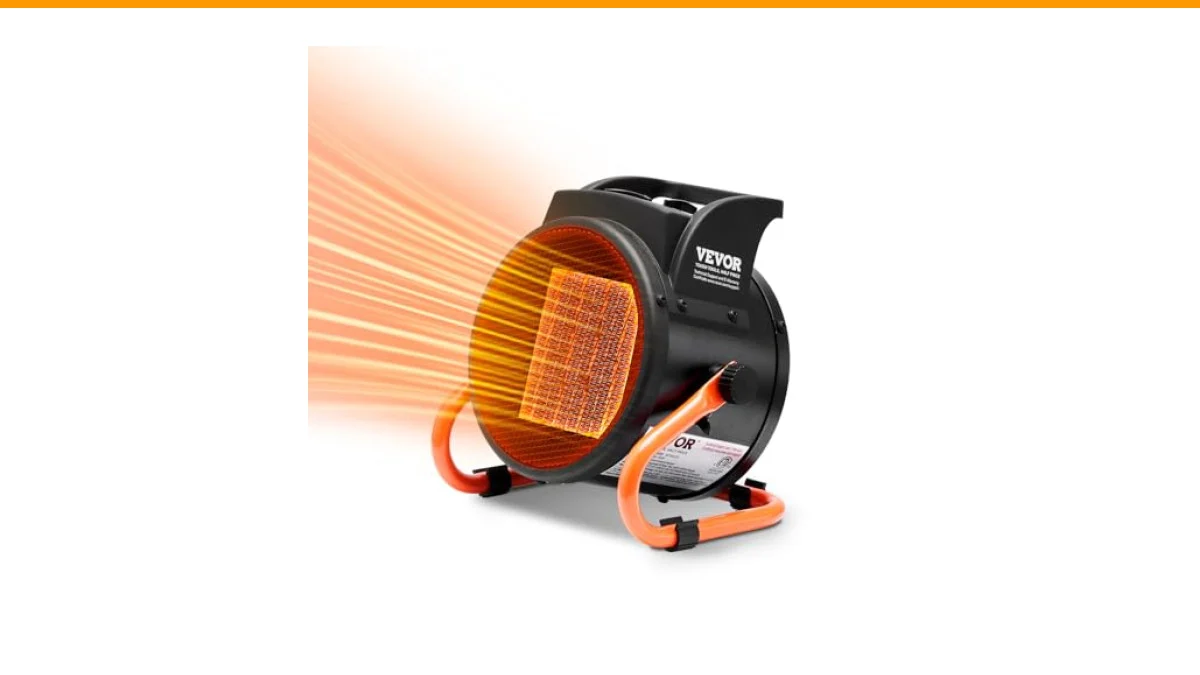
One product worth considering is the VEVOR Greenhouse Heater. This 1500W ceramic heater not only provides fast heating but also features overheat protection and a three-speed setting, making it versatile for different greenhouse conditions.
Understanding Ceramic Heaters for Greenhouses
Benefits of Using Ceramic Heaters
Ceramic heaters offer several advantages that make them suitable for greenhouse heating:
- Fast Heating: Ceramic heaters heat up quickly, providing warmth almost instantly. This is crucial in maintaining stable temperatures for plant growth.
- Energy Efficiency: With lower energy consumption compared to traditional heating methods, ceramic heaters can help reduce your utility bills.
- Localized Heating: They excel at heating specific areas within your greenhouse, allowing for better temperature control.
- Safety Features: Many ceramic heaters come with built-in safety features like overheat protection, reducing fire risks.
How Ceramic Heaters Work
Ceramic heaters operate by using a ceramic element that heats up and radiates warmth into the surrounding air. The process begins when electricity passes through the ceramic, generating heat. This heat is then distributed through convection, warming the air in the greenhouse. Some models also feature fans to enhance air circulation, ensuring an even distribution of warmth.
Comparing Heating Options: Why Choose Ceramic?
When it comes to greenhouse heating options, several methods can be considered. Here’s a breakdown of the most common heating methods, with a focus on ceramic heaters:
| Heating Method | Pros | Cons |
|---|---|---|
| Ceramic Heaters | Fast, energy-efficient, localized heating, and safety features | Limited coverage area, may need multiple units for larger greenhouses |
| Gas Heaters | High heat output, good for large areas | Higher fuel costs, requires ventilation |
| Electric Radiant Heaters | Even heat distribution, low maintenance | Higher initial costs, potential for high electricity bills |
| Passive Solar Heating | Cost-effective, environmentally friendly | Dependent on sunlight, may require significant insulation |
Ceramic heaters stand out because they provide immediate warmth, which is often essential when temperatures drop suddenly. Their energy efficiency can lead to savings in the long run, making them a practical choice for many greenhouse owners.
Installation Guide for Ceramic Heaters
Tools and Materials Needed
Before installing your ceramic heater, gather the following tools and materials:
- Ceramic heater (e.g., VEVOR Greenhouse Heater)
- Power drill
- Mounting brackets (if applicable)
- Measuring tape
- Electrical tape
- Level
Step-by-Step Installation Process
- Choose the Location: Identify the ideal spot in your greenhouse where the heater will be most effective. Consider accessibility to power outlets and airflow.
- Mount the Heater: If your heater requires mounting, use a drill and brackets to secure it in place. Ensure it’s at least 12 inches away from any combustible materials.
- Connect to Power: Follow the manufacturer’s instructions to connect the heater to a power outlet. Use electrical tape to secure any connections.
- Test the Heater: Turn on the heater and monitor its performance. Adjust the angle or positioning if necessary for optimal heat distribution.
- Safety Check: Ensure that the heater is stable, securely mounted, and away from any flammable materials.
Once set up, your ceramic heater should provide consistent warmth, helping your plants thrive during colder months.
Maintenance and Care for Ceramic Heaters
Regular maintenance is key to keeping your ceramic heater functioning efficiently. Here are some tips:
- Clean Regularly: Dust and debris can accumulate on the heater. Wipe it down with a damp cloth and ensure the vents are clear.
- Check Electrical Connections: Periodically inspect the power cord and connections for any signs of wear or damage.
- Store Properly: If you plan to store the heater during warmer months, keep it in a dry place to avoid moisture damage.
Tips for Maximizing Heat Efficiency in Your Greenhouse
Insulation Techniques
Good insulation can significantly enhance the effectiveness of your heating system. Consider these techniques:
- Use thermal screens or curtains during the night to trap heat.
- Seal any gaps or cracks in the greenhouse structure to prevent drafts.
- Install double-layered polycarbonate panels for better insulation.
Reducing Heat Loss
To minimize heat loss, focus on the following areas:
- Ensure proper ventilation to avoid excessive humidity, which can cool the air.
- Limit the number of times you open the greenhouse doors.
- Consider using heat mats for seedlings to maintain warmth at the root level.
Case Studies: Success Stories from Greenhouse Owners
Many greenhouse owners have shared their success stories about using ceramic heaters. For example:
- A small-scale vegetable grower in Michigan reported that the VEVOR heater kept their greenhouse at a consistent temperature of 70°F, even during harsh winter nights. This stability resulted in a 30% increase in seedling survival rates.
- A flower enthusiast found that using ceramic heaters not only kept their plants warm but also reduced energy costs by 25% compared to gas heating options.
Next Steps for Greenhouse Heating
- Assess your greenhouse size to determine how many ceramic heaters you may need.
- Research and compare different models to find the best fit for your needs.
- Implement insulation techniques to maximize heating efficiency.
- Monitor temperatures regularly to ensure your plants are thriving.
- Consider joining a greenhouse gardening community to share tips and experiences.
Heating a greenhouse with a ceramic heater can be an effective strategy for maintaining a conducive environment for your plants. With the right installation, maintenance, and efficiency techniques, you can create a thriving winter garden.