Understanding Thermal Bridging in Sauna Construction
Imagine stepping into your sauna after a long day, only to find that it takes longer than expected to reach a comfortable temperature. This frustrating experience can stem from a common issue known as thermal bridging. Thermal bridging occurs when heat escapes through materials that conduct heat better than the surrounding insulation. In the context of sauna construction, this can lead to a significant loss of heat and energy efficiency.
Understanding how to prevent thermal bridging when framing sauna stud walls is essential for maintaining an optimal sauna environment. This article will guide you through effective methods, materials, and practices that will help you build a sauna that retains heat and remains structurally sound.

The Sauna Place
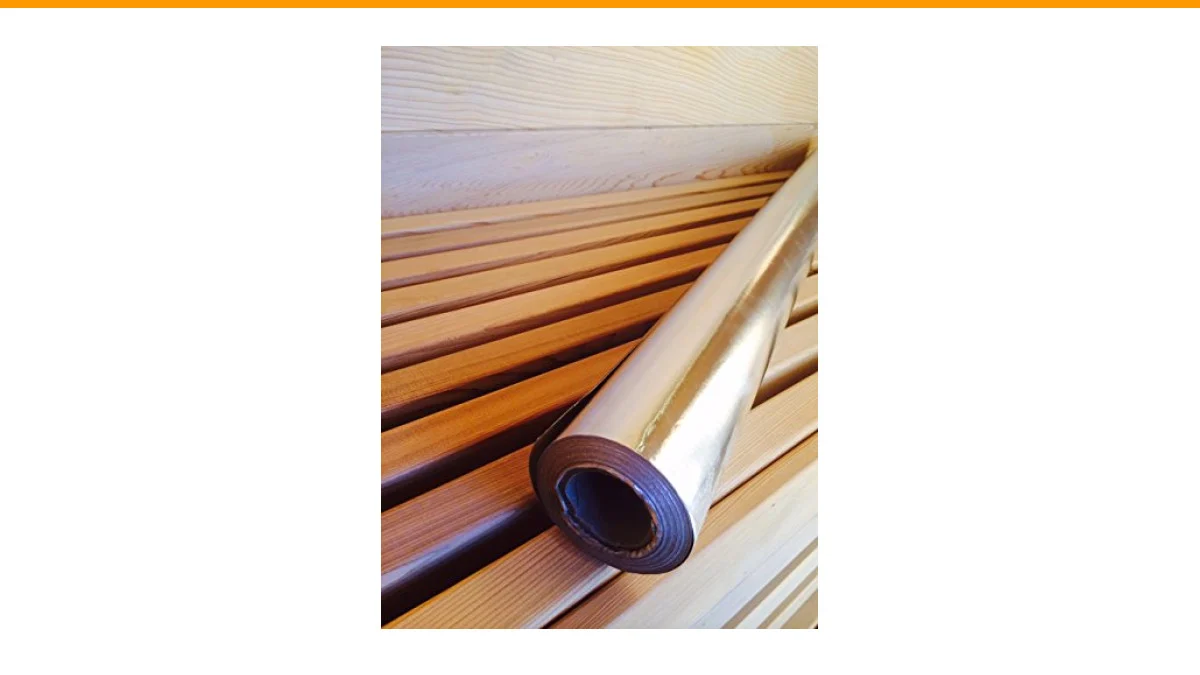
The Sauna Place Type C Aluminum Foil Single Sided Vapor Barrier Sauna Accessories (269 Square feet) Sauna Cover up to a 6' x 8' x 7' Sauna
- PREMIUM, RADIANT, VAPOR BARRIER: Elevate your sauna construction with our superior barrier. It enhances insulation, increases R-va…
- EFFECTIVE MOISTURE PROTECTION: Protect your sauna from moisture damage. Our barrier acts as a shield, ensuring your sauna's durabi…
- EASY INSTALLATION: Simple installation process: staple to studs after framing and insulating sauna walls. Minimize cuts and overla…
One product that can significantly enhance your sauna construction is the The Sauna Place Type C Aluminum Foil Single Sided Vapor Barrier. This vapor barrier not only improves insulation but also provides effective moisture protection, ensuring your sauna remains durable over time.
What Causes Thermal Bridging?
To prevent thermal bridging, it’s crucial to understand its causes. Thermal bridging typically occurs in areas where materials with high thermal conductivity—like wood, metal, or concrete—intersect with insulation. For instance, a wooden stud that penetrates insulation can create a path for heat to escape, significantly reducing the overall R-value of your sauna walls.
Consider this: the R-value measures how effectively a building material resists heat flow. The higher the R-value, the better the insulation. In many sauna builds, the framing studs can reduce the effective R-value of insulation by as much as 20% if not managed properly. Thus, careful planning and techniques are necessary to mitigate this effect.
Effective Techniques to Minimize Thermal Bridging
Several methods can be employed to prevent thermal bridging in your sauna walls. Below are some of the most effective techniques:
1. Use Continuous Insulation
Continuous insulation, applied over the entire wall surface, reduces the chances of thermal bridging. Unlike traditional insulation, which fits between the studs, continuous insulation wraps around the entire structure, creating an unbroken thermal barrier. This method can increase the overall R-value by as much as 25%.
2. Opt for Advanced Framing Techniques
Advanced framing techniques, such as using 2×6 instead of 2×4 studs, can also help. The wider studs allow for increased insulation depth and reduce the number of studs per wall, minimizing thermal bridging points. You can reduce heat loss while maintaining the structural integrity required for sauna walls.
3. Utilize Insulated Studs
Insulated studs, available in various materials, can replace traditional wooden studs. These products often incorporate foam or other insulating materials into their design, which significantly reduces thermal bridging. Insulated studs can reduce thermal bridging by 50% or more, making them a worthy investment for sauna construction.
4. Install a Vapor Barrier
Applying a vapor barrier, like the one from The Sauna Place, is essential. This barrier prevents moisture from penetrating the walls and causing damage, which can lead to mold or rot. Proper installation involves stapling the barrier to the studs after framing and insulating the sauna walls. This not only protects the structure but also enhances the insulation’s effectiveness.
Comparative Table of Methods to Prevent Thermal Bridging
| Method | Effectiveness in Reducing Thermal Bridging | Cost Estimate | Ease of Installation |
|---|---|---|---|
| Continuous Insulation | High (up to 25% R-value increase) | Moderate to High | Moderate |
| Advanced Framing Techniques | Moderate (up to 20% reduction) | Low to Moderate | Moderate |
| Insulated Studs | Very High (50% or more) | High | Easy |
| Vapor Barrier Installation | High (protects insulation) | Low | Easy |
Common Questions About Thermal Bridging in Sauna Construction
What is thermal bridging?
Thermal bridging is when heat travels through materials that conduct heat better than insulation. This results in energy loss and can make heating a sauna inefficient.
How can I tell if my sauna has thermal bridging issues?
Signs of thermal bridging include cold spots on walls, excessive condensation, and increased energy bills. A thermal imaging camera can also identify areas of heat loss.
Can I fix thermal bridging after construction?
While it’s best to address thermal bridging during construction, some remedial measures can be taken, such as adding external insulation or additional vapor barriers to existing walls.
Is a vapor barrier necessary in sauna construction?
Yes, a vapor barrier is essential in sauna construction. It prevents moisture from penetrating the wall assembly, protecting against mold and wood rot while improving insulation performance.
What R-value should I aim for in sauna walls?
A good target for sauna wall insulation is an R-value of 19 to 30, depending on your climate. This ensures adequate thermal resistance for efficient heating.
Final Thoughts on Preventing Thermal Bridging
- Implement continuous insulation for maximum effectiveness.
- Consider advanced framing techniques to reduce stud use.
- Choose insulated studs for significant thermal bridging reduction.
- Always install a vapor barrier to protect against moisture damage.
- Monitor for signs of thermal bridging after construction to ensure efficiency.
- Consult with a professional if you’re unsure about your sauna design.
- Invest in quality materials for a durable sauna that meets your heating needs.