Imagine a cold winter evening, and your electric heater sputters to a halt. You check the power supply, but everything seems fine. Now what? Understanding how to test an electric heater element with a multimeter can save you time, money, and the discomfort of a chilly home. This guide will walk you through the necessary steps to ensure your heater element is functioning properly, and you’ll learn to identify potential issues before they escalate.
In this article, we’ll cover how to safely test an electric heater element using a multimeter, specific measurements to look for, and helpful tips for troubleshooting. Along the way, we’ll also introduce the KAIWEETS Electrical Test Kit KIT01, which includes a digital multimeter and other essential tools that make the testing process straightforward and efficient.

KAIWEETS
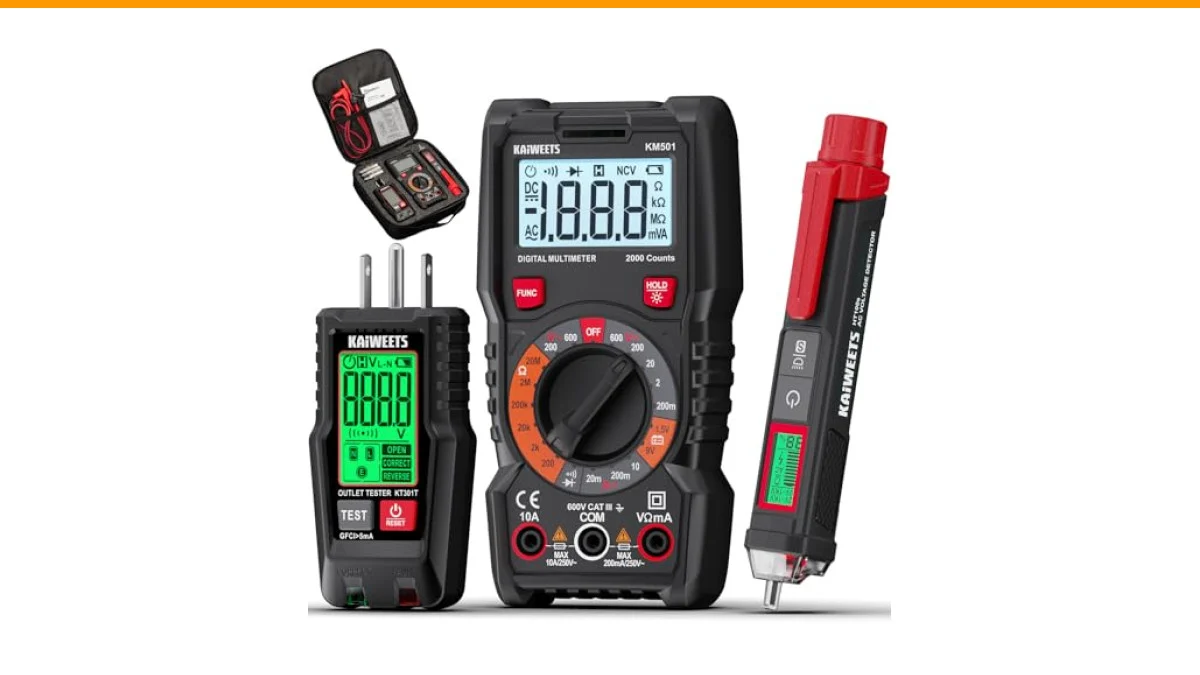
KAIWEETS Electrical Test Kit, Digital Multimeter, Voltage and Outlet Tester | 3-Piece, Non Contact Voltage Tester, GFCI Tester, Smart LCD Display, Includes Carrying Case, Batteries and Leads for Home DIY
- 1 Kit, 3 Essential Tools – Unzip it to reveal your complete diagnostic setup: a digital multimeter, non-contact voltage pen, and G…
- Versatile Digital Multimeter: Measures AC/DC Voltage (600V), DC Current (10A), Resistance (20MΩ), Continuity, Diode & Batteries (1…
- Smart Non-Contact Voltage Detector: No guess work! LCD gives live % and color read-outs, plus beeps and flashing LEDs when voltage…
The KAIWEETS Electrical Test Kit is perfect for those tackling DIY projects or for professionals in the HVAC field. It includes a digital multimeter capable of measuring AC/DC voltage, resistance, and more, all in a compact carrying case. This kit ensures you have everything you need to perform accurate tests without the hassle of searching for separate tools.
 How To Test Water Heater Element With MultimeterWatch on YouTube
Understanding Electric Heater Elements
Electric heater elements generate heat by passing an electrical current through a resistive material. Common types include:
- Metal Sheath Elements: Often found in water heaters, these are encased in a metal sheath.
- Open Coil Elements: Typically used in space heaters and toasters, they are exposed and heat up directly.
Knowing the type of element you’re dealing with is crucial as it influences the testing method.
Gather Your Tools
Before starting the testing process, ensure you have the following tools:
- A reliable multimeter, such as the KAIWEETS Digital Multimeter
- Insulated test leads
- Safety goggles and gloves
- A flat workspace
Steps to Test an Electric Heater Element
Testing an electric heater element involves several straightforward steps:
- Power Off: Disconnect the heater from the power supply to avoid electric shock.
- Access the Element: Remove any covering or panel to expose the element. This may require a screwdriver.
- Set Up the Multimeter: Turn the multimeter to the resistance setting (Ω).
- Measure Resistance: Place one probe on each terminal of the heating element. A healthy element typically shows a resistance reading between 10 to 30 ohms. If the reading is infinite (OL on digital meters), the element is open and needs replacement.
- Check for Ground Shorts: Touch one probe to the terminal and the other to the metal sheath. A reading of zero or near zero indicates a short circuit; the element must be replaced.
Be sure to consult the manufacturer’s specifications for your specific heater model, as resistance values may vary.
Comparison of Testing Methods
| Testing Method | Description | Pros | Cons |
|---|---|---|---|
| Multimeter Testing | Measures resistance and continuity of the element. | Accurate, straightforward, and effective at identifying issues. | Requires some knowledge of multimeter operation. |
| Visual Inspection | Checking for visible damage or discoloration. | No tools required; quick assessment. | May miss internal issues. |
| Professional Assessment | Hiring an electrician to check the element. | Expertise ensures thorough assessment. | Costly and time-consuming. |
FAQs About Testing Electric Heater Elements
1. What should I do if my electric heater element shows no resistance?
If your meter reads infinite resistance, the element is likely burnt out and needs replacement.
2. How often should I test my electric heater elements?
Testing should be done annually or if you notice performance issues.
3. Can I test an electric heater element while it’s powered on?
No, always disconnect the power before testing to prevent shock.
4. What is the normal resistance range for electric heater elements?
Most elements should read between 10 and 30 ohms, but check your manufacturer’s specifications.
5. Is it safe to replace an electric heater element myself?
If you are comfortable with electrical work and follow safety precautions, you can replace it yourself. Otherwise, consult a professional.
Final Thoughts
- Always disconnect the power before testing.
- Use a reliable multimeter for accurate readings.
- Know the typical resistance range for your heater element.
- Consider using a complete electrical test kit for convenience.
- Regular maintenance can prolong the life of your heater.
- If in doubt, consult a professional electrician.
- Stay informed about your heater’s performance to avoid unexpected breakdowns.