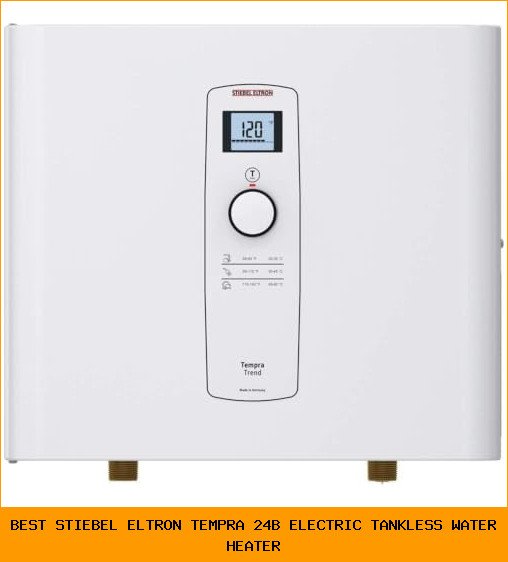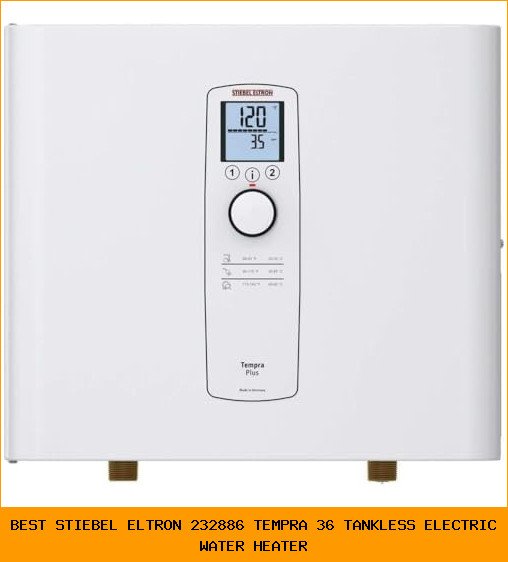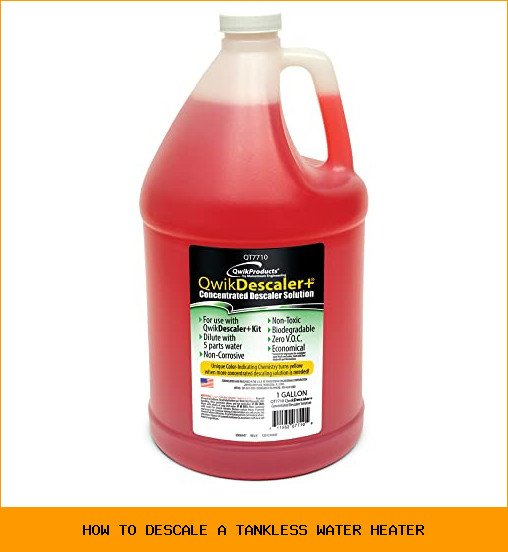
You turn on the hot water tap and wait. And wait. The water trickles out lukewarm, not hot. Or maybe it reaches temperature for a minute, then fades. That’s the classic sign of scale buildup inside your tankless water heater.
Scale is rock-hard calcium and magnesium deposits that form on the heat exchanger when hard water gets heated. Over time, that layer acts like an insulator. Your unit has to work harder, uses more energy, and can eventually fail. Most manufacturers recommend descaling every 6 to 12 months. Skip it and you risk voiding your warranty and shortening the heater’s life.
QwikProducts
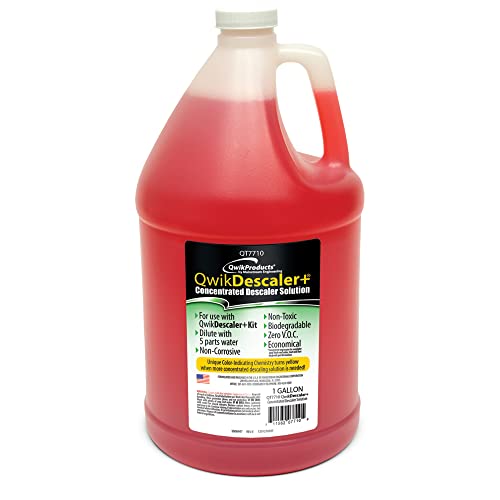
QwikDescaler+ Concentrated Tankless Water Heater Descaler Solution (1 Gal) | Descaling Solvent for Tankless Heat Exchangers & Water Heaters, Quickly Dissolves Scale, Lime, Tarnish and Deposits, 1 Gallon
- QUICKLY FLUSH FLOW PASSAGES: Use this descaler solution to rapidly improve efficiency and open flow passages of heaters and other…
- EFFECTIVE SOLUTION BUT ALSO VERY SAFE: QwikDescaler descaler for tankless water heater is not only extremely effective at flushing…
- IT’S EASY TO TELL WHEN YOU NEED TO ADD MORE: There’s no guesswork with the QwikDescaler+ tankless water heater descaler. If more d…
This article walks you through the whole job. You’ll learn why descaling matters, what tools and solution to use, the exact step-by-step process, and the common mistakes that screw it up. By the time you finish, you’ll be able to do this maintenance yourself and save a couple hundred bucks in service calls.
A product like QwikDescaler+ Concentrated Tankless Water Heater Descaler Solution makes the job simpler. It has a built-in color-change indicator that turns from red to yellow when the solution is still active, so you know exactly when to add more or flush it out. It’s also safe to handle — no harsh fumes or VOCs.
Why Descaling Matters More Than You Think
Hard water scale builds up silently. Even if your water is moderately hard, a 1/16-inch layer of scale on the heat exchanger can reduce heat transfer efficiency by 4% to 8%. That means your gas burner or electric element runs longer, costing you more money.
But efficiency loss is only part of the problem. Scale also narrows the internal water passages. Tankless heaters rely on high flow rates to trigger operation. When flow drops below the unit’s minimum threshold, the heater may not fire at all, or it cycles on and off — a condition called ‘shorts cycling’. That’s rough on the electronics and can lead to premature failure.
Another issue: many tankless water heater warranties require annual descaling. If you skip it and a heat exchanger cracks due to scale-related overheating, the manufacturer can deny your claim. You’d be on the hook for a $500–$800 part plus labor.
How often should you descale? It depends on your water hardness and usage.
- Hard water (7–10+ grains per gallon): every 6 months.
- Moderately hard water (3–7 gpg): every 12 months.
- Soft water (below 3 gpg): every 18–24 months, or based on error codes.
The easiest way to know? Check your water heater’s error log. Many units flash a code like ’99’ or ‘LC’ when flow sensors detect restricted passages. That’s a clear ‘it’s time’ signal.
Tools and Materials You Need
You don’t need a lot of gear, but get the right stuff. Here’s the list:
- Descaling solution — Commercial formulas like QwikDescaler work faster and safer than household alternatives. More on that in a minute.
- Submersible pump — A small 1/6 HP or similar, rated for water or mild acid. Not expensive.
- Two 5-gallon buckets — One for the solution, one for fresh rinse water.
- Two 3/4-inch garden hoses — One for inlet, one for outlet. Make sure they’re long enough to reach from the pump to the heater.
- Adjustable wrench or channel-lock pliers — For disconnecting the hose connections.
- White vinegar or citric acid — If you go the DIY route (but I don’t recommend it).
Below is a comparison of the three main descaling approaches. Look at the trade-offs before you pick.
| Method | Effectiveness | Safety | Cost per use | Ease of use |
|---|---|---|---|---|
| White vinegar | Weak – needs multiple hours, sometimes overnight | Safe to handle, but strong smell | Low (~$1–2) | Easy, but takes time |
| Citric acid powder | Moderate – better than vinegar, similar strength | Safe, no smell, but requires mixing | Low (~$2–4) | Moderate – need to measure and dissolve |
| Commercial descaler (e.g., QwikDescaler) | High – concentrated, works in 45–60 minutes | Safe (no VOCs), has metal protectant | Medium (~$15–25 per gallon) | Easiest – just pour and run |
I’ve used all three. Vinegar is cheap but stinks up the whole garage. Citric acid works okay but requires precise mixing. Commercial descaler costs more per use but eliminates guesswork — and the color-change indicator alone is worth it for peace of mind.
Step-by-Step: How to Descale a Tankless Water Heater
This procedure works for most residential gas and electric tankless units. Always check your owner’s manual first. Some brands (like Navien or Rinnai) have specific service modes.
- Turn off power and gas. Shut off the circuit breaker for electric units. For gas heaters, turn the gas valve to ‘Off’ and unplug the power cord.
- Close the water shut-off valves. There are inlet and outlet valves on the water heater. Close both.
- Relieve pressure. Open a nearby hot water faucet (like a laundry sink or utility tub) to release trapped pressure. Close it once water stops flowing.
- Disconnect the inlet and outlet hoses. Use your wrench. Have a towel handy — some water will drip.
- Connect the pump and hoses. Attach one hose from the pump outlet to the water heater’s INLET (cold side) service port. Attach the other hose from the heater’s OUTLET (hot side) port back to the bucket. The pump should sit in the bucket.
- Fill the bucket with descaling solution. For QwikDescaler, you typically use one gallon of concentrate per unit. Add water if the instructions say to dilute — usually you don’t with this product.
- Run the pump. Plug it in and let the solution circulate through the heat exchanger. Let it run for 45–60 minutes. If the solution turns from red to yellow (or clear), that means it’s exhausted. Add more concentrate and continue.
- Flush with fresh water. When descaling is done, remove the pump and dump the bucket. Fill the bucket with clean water, reconnect the pump, and run it for 10–15 minutes to rinse all acid out of the unit.
- Reconnect water supply and test. Reattach the inlet and outlet service lines, open both shut-off valves, and check for leaks. Restore power/gas. Open a hot water tap and let it run for a minute. The water should heat up quickly and stay hot.
That’s the whole process. First time takes about 90 minutes. After you’ve done it once, it’s closer to an hour.
Common Mistakes That Ruin a Descale Job
I’ve seen homeowners damage their units by making one of these errors. Avoid them.
- Using too-strong acid. Muriatic acid or undiluted citric acid can eat through the heat exchanger’s copper or nickel-brazed joints. Stick to safe concentrations.
- Not flushing enough. Leftover acid can corrode the flow sensor seals. Flush for the full 10–15 minutes with fresh water.
- Forgetting the isolation valves. Some units have built-in isolation valves that bypass the heater. If you don’t close them correctly, the solution bypasses the heat exchanger entirely.
- Running the pump dry. Let the pump run entirely dry for even a few seconds and you can burn it out. Keep an eye on the bucket level.
- Ignoring error codes after descaling. If the heater still flashes a code, you may have an air lock or the flow sensor may be damaged. Bleed air by opening a hot water tap all the way for a minute.
Frequently Asked Questions
How often should I descale my tankless water heater?
At least once a year if you have moderately hard water. Every six months for hard water. If you live in an area with very soft water (below 1 gpg), you might stretch it to two years. Some newer units have self-diagnostic features that tell you when it’s time — watch for error codes like ‘LC’ or ’99’.
Can I use vinegar instead of a commercial descaler?
Yes, but it’s not ideal. White vinegar (5% acetic acid) will remove scale, but it’s weaker than commercial formulas. You need to let it circulate for 2–3 hours minimum, and it smells terrible. Citric acid is better — about the same strength but no odor. I still prefer a commercial descaler because the color-change indicator eliminates the ‘how long do I run it?’ guesswork.
What happens if I never descale my tankless water heater?
Scale builds up until the heat exchanger can’t transfer heat efficiently. The unit overheats, cracks, or the flow sensor fails. Repairs often cost more than the value of the heater. Worst case: the heater stops working entirely during a cold snap, leaving you without hot water.
Is it safe to descale the heater myself?
Yes, if you follow the steps. The chemicals are safe when handled properly — commercial descalers like QwikDescaler emit no VOCs and are low-toxicity. Just wear gloves and goggles as a precaution. The biggest risk is electrical (if you don’t turn off power) or causing a leak by overtightening connections. Go slow and check for drips.
How do I know when the descaling process is complete?
If you use a commercial product with a color-change indicator, you simply watch the solution in the bucket. When the color stays red (or the original color) even after 45 minutes, the solution is still active — keep going. Once it turns yellow or clear, it’s exhausted. For vinegar or citric acid, run the pump until the water coming out looks clear and no longer foamy. Then flush thoroughly.
What to Do After Descaling
Here’s your action list to keep your tankless water heater running strong:
- Ascertain your local water hardness. A $20 test kit gives you a reading in minutes.
- Descale on a schedule — put it on your calendar. Every 6 or 12 months depending on hardness.
- Use a commercial solution with a color indicator for the safest, fastest job. QwikDescaler is a solid choice.
- Always flush with clean water after descaling. Don’t skip the rinse.
- Check your heater’s manual for any unique service steps. Some brands need a diagnostic mode to clear flow errors.
- Inspect the inlet filter screen (if your unit has one) during descaling. Clean or replace it if clogged.
- If you’re unsure about your skills, watch a few videos from your heater’s brand. The process is the same for most units, but seeing it helps.
Descaling a tankless water heater isn’t hard. It just requires the right approach and a little patience. Get it done once, and you’ll wonder why you didn’t do it sooner.