As the chilly months approach, many people look for effective ways to warm their living spaces. In this quest, infrared heaters have gained popularity for their efficiency and immediate warmth. However, a common question arises: are infrared heaters safe indoors?
This article aims to provide a comprehensive overview of the safety of infrared heaters in indoor settings, covering their features, potential hazards, and best practices. You’ll walk away with a well-rounded understanding of how to use these heaters safely in your home.

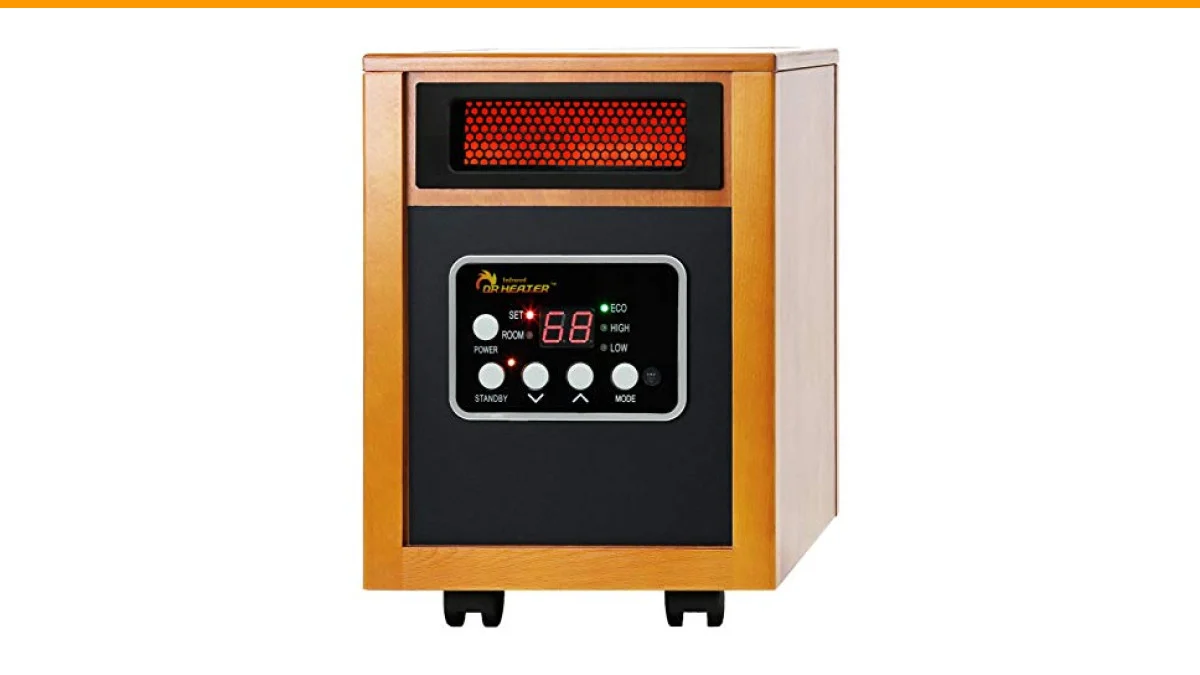
DR. INFRARED HEATER
Dr Infrared Heater DR-968 Portable Space Heater, 1500-Watt, Cherry
- Can heat up a large room with Auto Energy Saving Model With High and Low Feature. Tip-over protection and Overheat protection.Heat…
- Dual Heating Systems featuring infrared quartz tube + PTC with 12-Hour automatic shut-off timer. Amperage: 12.5 Amps
- IR Remote Control, High Pressure Low Noise Blower with Noise level 39 dB super quiet. Heating can cover for a large room.
One option worth considering is the Dr Infrared Heater DR-968 Portable Space Heater. This model offers a dual heating system using infrared quartz tubes and PTC technology, making it efficient for larger rooms. It includes safety features like tip-over protection and overheat protection, essential for safe indoor use.
 Infrared Room Heaters Pros & Cons (Are They The Best Room Heaters?)Watch on YouTube
Understanding Infrared Heaters
Infrared heaters work by emitting infrared radiation that warms objects and people in their path, rather than heating the air. This method is different from traditional convection heaters that heat the air directly. The primary types of infrared heaters include quartz, ceramic, and carbon fiber, each varying in efficiency and warmth distribution.
One notable statistic is that infrared heaters can achieve heating efficiencies of up to 90% because they convert most of their energy into heat. This efficiency makes them a viable option for those looking to reduce heating costs.
Safety Features to Look For
When considering whether infrared heaters are safe indoors, it’s crucial to examine the safety features they offer. Here are some key aspects:
- Tip-Over Protection: This feature automatically shuts off the heater if it gets knocked over, preventing potential fires.
- Overheat Protection: Heaters equipped with this feature will turn off if they reach a dangerously high temperature.
- Cool-Touch Housing: Many infrared heaters are designed with materials that remain cool to the touch, reducing the risk of burns.
- Automatic Shut-Off: Timers or built-in sensors that turn off the heater after a set time can prevent overheating and ensure safety.
Potential Risks of Infrared Heaters
Despite their advantages, infrared heaters do come with certain risks. Understanding these can help mitigate potential hazards:
- Fire Hazard: Any heater can pose a fire risk, especially if placed near flammable materials. Maintain a safe distance from curtains, bedding, and other combustibles.
- Burn Risk: While many heaters have cool-touch exteriors, direct exposure to the heating element can cause burns.
- Electrical Safety: Ensure your heater is plugged directly into a wall outlet rather than an extension cord, which can overheat.
Comparison of Infrared Heater Models
| Model | Heating Method | Safety Features | Heating Area (sq ft) |
|---|---|---|---|
| Dr Infrared Heater DR-968 | Infrared Quartz + PTC | Tip-over, Overheat Protection, Timer | Up to 1000 |
| Duraflame Infrared Heater | Infrared | Tip-over, Overheat Protection | Up to 1000 |
| LifeSmart Infrared Heater | Infrared | Tip-over, Overheat Protection | Up to 1500 |
FAQs About Infrared Heaters
1. Are infrared heaters safe to leave on overnight?
While many infrared heaters are designed with safety features, leaving any heater on overnight can pose risks. Always ensure the heater is placed away from flammable materials and has adequate safety features.
2. Can infrared heaters cause skin burns?
Infrared heaters can cause skin burns if users are too close or touch the heating element. It’s best to maintain a safe distance and be cautious during use.
3. Do infrared heaters consume a lot of electricity?
Infrared heaters typically use about 1500 watts of power. While they can be efficient, prolonged use can lead to increased electricity bills. Consider using them strategically for heating specific areas.
4. Can infrared heaters dry out the air?
Infrared heaters do not dry out the air as much as traditional heating methods, which can lead to lower humidity levels. However, using a humidifier in conjunction with any heater can help maintain comfortable humidity levels.
5. Are infrared heaters safe for pets?
Infrared heaters can be safe for pets as long as they are placed out of reach and used with the same precautions you would take for humans. Ensure they have proper ventilation and are not placed near flammable materials.
Final Safety Tips for Using Infrared Heaters
- Always read the manufacturer’s instructions before use.
- Keep the heater at least three feet away from flammable items.
- Ensure your heater has all necessary safety features.
- Do not use extension cords with heaters.
- Monitor children and pets around the heater.
- Consider a model with a timer or thermostat for added safety.
- Regularly inspect your heater for damage or wear.