Imagine arriving home after a long day, only to find that an electrical outlet has melted, leaving behind a charred mess and a potential fire hazard. This situation can be alarming, especially when you consider the risks associated with electrical malfunctions. Outlet melting is not just a minor inconvenience; it can indicate serious underlying issues within your electrical system. Understanding the causes of outlet melting can empower you to take the necessary steps to prevent it, ensuring your home stays safe and functional.
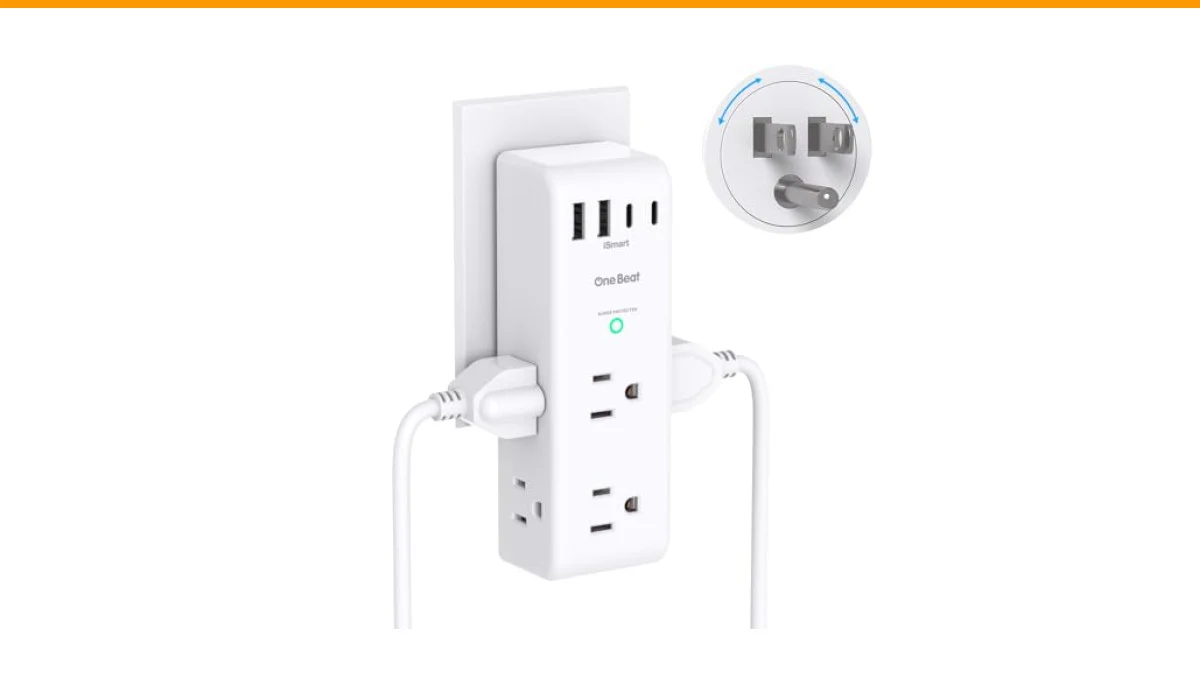
This article will guide you through the common causes of outlet melting, highlight preventive measures, and introduce a useful product for enhancing electrical safety: the Surge Protector Outlet Extender with Rotating Plug, Multi Plug Wall Outlet by One Beat. This device offers multiple outlets and advanced surge protection, making it an excellent addition to your electrical setup.

One Beat
Surge Protector Outlet Extender with Rotating Plug, Multi Plug Wall Outlet | 6 AC Outlet Splitter 4 USB Ports (2 USB C),1800J USB Wall Charger, Plug Adapter Power Strip for Home Office Dorm Room Travel
- 【10 IN 1 USB Wall Outlet Extender】- 6 AC outlet adapter (3 side, 15A/125V/1875W) with built-in 1800 Joules surge protector and 4 U…
- 【Wide Space & Rotating AC plug】 - Unique 3-Side space-saving design surge protector, 6 AC outlets with wide space in between, are…
- 【USB-C Smart Charging Ports】- With built-in smart IC technology, high-speed USB ports automatically detect charging devices and de…
Now, let’s explore the primary causes behind outlet melting and how to avoid this dangerous situation.
Understanding Outlet Melting
Outlet melting occurs when excessive heat builds up in an electrical outlet, often leading to damage that can compromise safety. Recognizing the factors contributing to this issue is key to prevention.
Overloading the Circuit
One of the most common causes of outlet melting is circuit overload. Each outlet has a specific amperage rating, typically 15 or 20 amps in residential settings. Plugging in too many high-wattage devices can exceed this limit, generating heat that causes the outlet to melt. For instance, using multiple space heaters or kitchen appliances simultaneously on the same outlet can lead to overheating. Always check the total wattage of devices plugged into a single outlet to avoid overloading.
Poor Connections
A loose connection between the outlet and the wiring can create resistance, leading to heat buildup. This might occur due to aging, corrosion, or improper installation. If you notice flickering lights or warm outlets, it’s essential to have a qualified electrician inspect your connections. Regular maintenance can help identify and rectify these issues before they escalate.
Faulty Outlets
Older or damaged outlets may not handle electricity as they should, leading to overheating. Outlets can wear out over time, especially if they have been frequently used. If you notice physical damage, such as cracks or discoloration, consider replacing the outlet immediately. Using high-quality, UL-listed outlets ensures they meet safety standards and reduce the risk of melting.
Inadequate Wiring
In some cases, the wiring in your home may not be adequate for your electrical needs. Older homes may have outdated wiring that fails to support modern electrical loads. This can lead to overheating and melting. If you consistently experience electrical problems, it may be time to consider an upgrade with the help of a licensed electrician.
Comparing Options for Outlet Safety
Understanding your options for safety can help you choose the best approaches to prevent outlet melting. Here’s a comparison of different safety measures:
| Safety Measure | Description | Effectiveness |
|---|---|---|
| Surge Protector | Protects against voltage spikes and overloads. | High |
| Smart Outlets | Automatically cut power when devices exceed limits. | High |
| Regular Inspections | Periodic checks for wear and damage. | Moderate |
| Upgrading Wiring | Replaces old wiring with new, higher-capacity options. | Very High |
Frequently Asked Questions
What should I do if my outlet is melting?
Immediately unplug all devices and stop using that outlet. Contact a licensed electrician to assess and repair the issue.
Can I replace a melting outlet myself?
While a DIY approach is tempting, it’s safer to hire a professional. Improper installations can lead to further hazards.
How can I prevent outlet melting in the future?
Avoid overloading outlets, use quality surge protectors, and regularly inspect your outlets for signs of wear.
What are signs of a faulty outlet?
Look for discoloration, a burning smell, or outlets that feel warm to the touch. These are indicators of potential problems.
Is it safe to use an extension cord with multiple devices?
Only use extension cords for temporary needs and never overload them. Consider a power strip with surge protection for better safety.
Actionable Takeaways
- Regularly inspect outlets for damage and wear.
- Avoid plugging in too many high-wattage devices into one outlet.
- Consider using a surge protector like the One Beat model for added safety.
- Upgrade old wiring if you experience frequent electrical issues.
- Consult a qualified electrician for any repairs or replacements.
- Educate family members about electrical safety practices.
- Stay informed about the electrical needs of your devices to prevent overloads.



