 Electric Heaters vs Oil-Filled Heaters [In-Depth Comparison]Watch on YouTube
Introduction to Panel Heaters and Oil-Filled Radiators
The chill of winter can make even the coziest home feel uncomfortable. Many people find themselves debating between various heating options to maintain warmth. Among the most popular choices are panel heaters and oil-filled radiators. Each type has unique features, advantages, and drawbacks that cater to different needs and environments.
This article will provide an in-depth comparison of panel heaters and oil-filled radiators. You’ll walk away understanding their differences in energy efficiency, heat output, safety features, noise levels, and more. Whether you need a heater for a small bedroom or a large living space, this guide will help you make an informed decision.

DREO
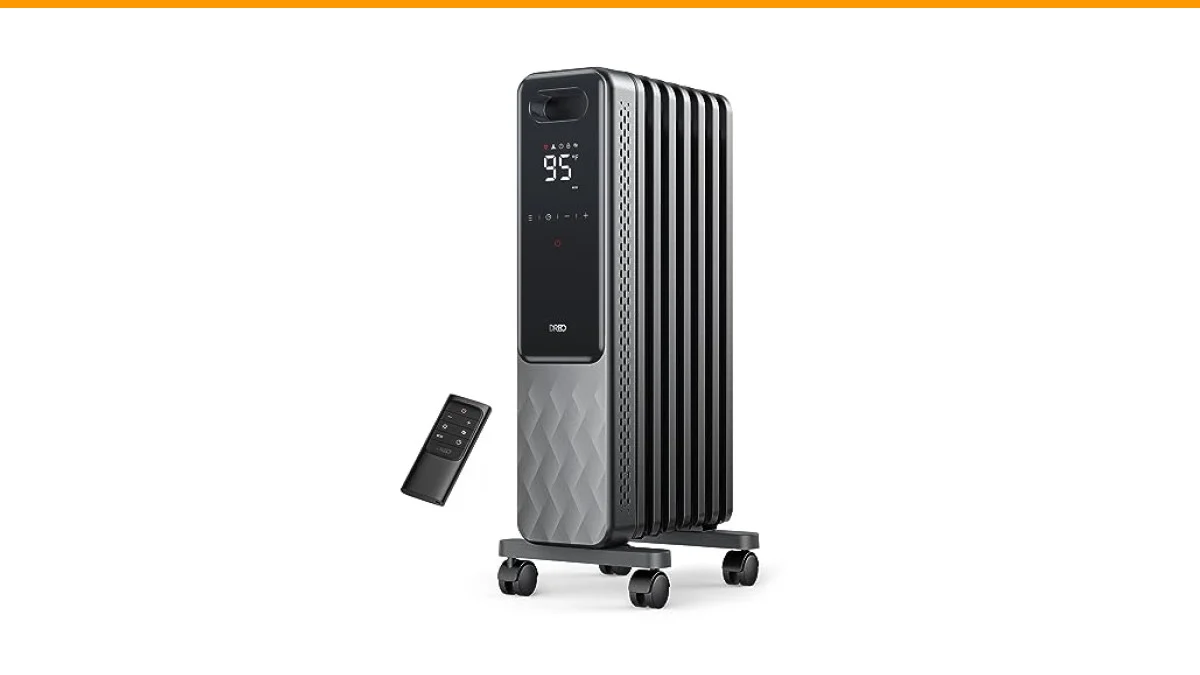
DREO Oil Filled Radiator Heater, Electric Heaters for indoor use Large Room | Quiet, Digital Thermostat, ECO, Remote Control, 4 Modes, Child Lock, Overheat & Tip-Over Protection, 24h Timer, 1500W, Grey
- 360° Whole-Home Warmth: DREO radiator heater delivers swift and silent heating at 1500W, boosting efficiency by 92.3%. Its 7 advan…
- Peaceful Safety: DREO oil filled heater ensures peace of mind with triple overheat protection, fire-resistant material, and ETL li…
- Personalized Comfort: Set your ideal temperature with eco mode. DREO's precise sensor and smart algorithms maintain steady warmth,…
One option worth considering is the DREO Oil Filled Radiator Heater. This heater combines efficiency, safety, and user-friendly features, making it a solid choice for indoor heating.
Key Differences Between Panel Heaters and Oil-Filled Radiators
Understanding the fundamental differences between panel heaters and oil-filled radiators is crucial for making the right choice. Here’s a breakdown:
- Heating Method: Panel heaters use convection to warm the air, while oil-filled radiators heat a reservoir of oil that then radiates heat.
- Heat Retention: Oil-filled radiators retain heat longer due to the thermal mass of oil, providing a steady warmth even after the unit is turned off.
- Speed of Heating: Panel heaters generally heat up faster, making them suitable for quick bursts of warmth.
- Size and Design: Panel heaters are often thinner and can be mounted on walls, saving floor space. Oil-filled radiators tend to be bulkier but offer greater heat retention.
Energy Efficiency and Running Costs
When comparing panel heater vs oil-filled radiator, energy efficiency plays a key role in long-term operating costs. Here’s what you need to know:
Panel heaters typically have a higher wattage (usually between 750W to 2000W) and can heat a room quickly. However, they may use more energy to maintain warmth in larger spaces. On the other hand, oil-filled radiators often operate at lower wattages (around 600W to 1500W) and are designed to maintain heat longer, which can result in lower energy bills over time.
Cost Analysis Over Time
Let’s break down the average running costs:
- Panel Heaters: If you run a 1500W panel heater for 8 hours a day, it could cost approximately $0.18-$0.20 per kWh. This results in about $43-$50 per month, depending on your electricity rate.
- Oil-Filled Radiators: Running a 1500W oil-filled radiator for the same duration might cost around $0.15-$0.17 per kWh, leading to monthly costs of approximately $36-$42.
In summary, while panel heaters may provide immediate warmth, oil-filled radiators often prove to be more economical in the long run.
Heat Output and Room Size Considerations
Choosing the right heater requires understanding your room size and heat output needs. Here’s how each type measures up:
Panel heaters work best in smaller rooms (up to 200 square feet) and can quickly raise the temperature. For larger spaces, multiple units may be necessary. Oil-filled radiators, with their ability to maintain warmth, excel in larger areas due to their efficient heat distribution.
Here’s a quick overview of suitable room sizes:
| Heater Type | Optimal Room Size | Heat Output |
|---|---|---|
| Panel Heater | Up to 200 sq ft | Quick heating, but less effective for larger spaces |
| Oil-Filled Radiator | 200-400 sq ft | Steady heat retention, ideal for larger areas |
Safety Features and User Experiences
Safety is paramount when choosing a heater. Both panel heaters and oil-filled radiators generally come equipped with safety features, but there are differences:
- Panel Heaters: Often include overheat protection and tip-over switches. However, their surfaces can become hot, posing a burn risk.
- Oil-Filled Radiators: Typically have built-in safety features like overheat and tilt protection. Their outer surfaces remain cooler, reducing the risk of burns.
User experiences vary. Some appreciate the quick warmth of panel heaters, while others prefer the consistent, long-lasting heat from oil-filled radiators. It’s essential to consider your family’s needs, especially if young children or pets are around.
Noise Levels: Which is Quieter?
Noise can be a significant factor in choosing a heater, particularly for bedrooms or quiet spaces. Panel heaters operate silently, making them an excellent choice for areas where noise is a concern. On the other hand, oil-filled radiators can emit a slight humming sound due to the heating process. While this sound is usually minimal, it may be noticeable in a very quiet room.
Installation, Portability, and Maintenance
Both types of heaters have their pros and cons when it comes to installation and maintenance:
- Panel Heaters: These are generally easy to install, especially wall-mounted models. They require minimal maintenance, usually just a simple dusting.
- Oil-Filled Radiators: While they don’t require installation, they can be heavier and less portable. Maintenance is also minimal, but users should ensure the oil is sealed and not leaking.
Lifespan and Durability of Each Heater Type
The lifespan of a heater is crucial for long-term investment. Panel heaters typically last around 10-15 years, while oil-filled radiators can last up to 20 years or more with proper care. This longevity often makes oil-filled models a better investment for those planning to use them regularly.
Environmental Impact and Sustainability
Both heater types have distinct environmental impacts. Oil-filled radiators, while using oil, are often more energy-efficient and produce lower carbon footprints over time. Panel heaters may consume more energy, especially if used frequently in larger spaces. Consider your energy source; renewable energy can mitigate the environmental impact of either option.
Frequently Asked Questions
1. Which heater is better for large rooms?
Oil-filled radiators are generally better for large rooms due to their heat retention capabilities. Their ability to maintain warmth makes them ideal for spaces over 200 square feet.
2. Are oil-filled radiators safe to leave on overnight?
Yes, oil-filled radiators are designed with safety features like overheat protection. However, always ensure that the heater is placed on a flat surface and away from flammable materials.
3. How do energy costs compare between the two heater types?
Oil-filled radiators are usually more energy-efficient in the long run, leading to lower monthly costs compared to panel heaters, especially in larger spaces.
4. Can I use a panel heater in a bathroom?
While some panel heaters are designed for bathroom use, ensure they are labeled as such. Check safety ratings and ensure the heater is suitable for high-humidity areas.
5. How do I choose the right heater for my needs?
Consider room size, heating speed, and whether you prefer immediate warmth or long-lasting heat. Assess your energy costs and safety needs to make the best choice.
Final Thoughts on Choosing the Right Heater
- Panel heaters heat up quickly but may be less efficient for larger spaces.
- Oil-filled radiators provide steady warmth and long-lasting heat retention.
- Consider your room size when choosing between the two options.
- Evaluate energy costs and safety features based on your home environment.
- Think about noise levels, especially if using the heater in bedrooms.
- Oil-filled radiators generally have a longer lifespan than panel heaters.
- Remember to check for safety certifications before purchasing.