Introduction
Imagine you’ve just bought a new appliance and want to know if it fits within your home’s energy capacity. You check the specifications and see a power rating listed in watts. But what does that actually mean? Understanding power ratings is crucial for managing energy consumption, ensuring safety, and optimizing your electricity bill.
This article will explain power ratings, how they impact your devices, and why they matter in everyday life. You’ll walk away with a clear understanding of concepts like watts, kilowatts, and more, empowering you to make informed decisions about your energy use.
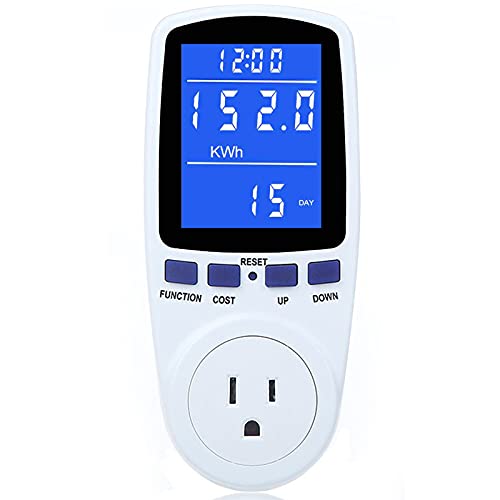
MECHEER
Watt Meter Power Meter Plug Home Electricity Usage Monitor 7 Modes Display | Upgraded, Electrical Usage Monitor Consumption, Energy Voltage Amps Kill Meter Tester, Backlight, Overload Protection
- Various Monitoring Parameters: The power meter plug can monitor the power (W), energy (kWh), volts, amps, hertz, power factor, cos…
- Upgraded LCD Display: With large screen size 2.36 inch x 1.85 inch, clearer monitor backlit, our electrical usage monitor can disp…
- Adjustable Backlight Time: Our upgraded watt meter has 5 options of backlight time. The default backlight time duration is 10 minu…
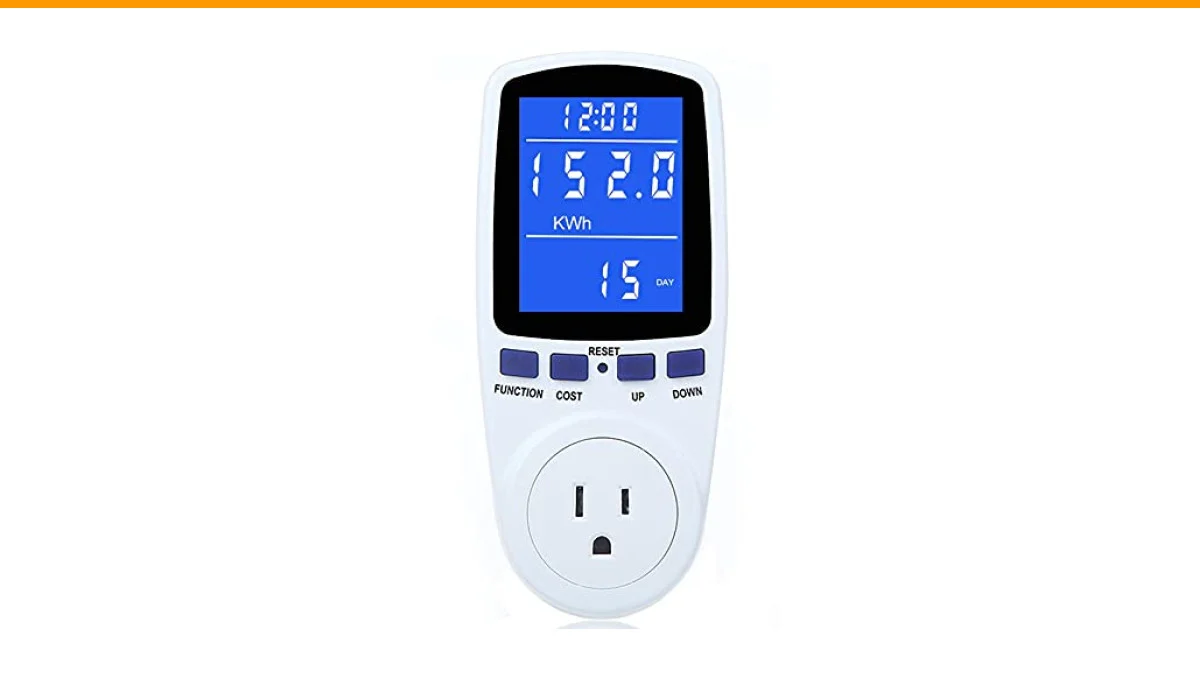
If you want to monitor your energy consumption more effectively, consider the MECHEER Watt Meter Power Meter Plug. This handy device tracks various parameters like power, energy, and cost, helping you understand how much energy your appliances consume over time.
What is Power Rating?
Power rating refers to the maximum amount of electrical power a device can use at a given moment. It is measured in watts (W). For instance, a lamp rated at 60 watts consumes 60 watts of electrical energy when turned on. This is essential for understanding how much electricity your appliances need and ensuring they operate safely.
Power ratings can also be expressed in kilowatts (kW), where 1 kW equals 1,000 watts. For larger appliances, such as air conditioners or ovens, you might see ratings in kilowatts. Knowing the ratings helps in calculating the energy consumption of devices.
Common Misconceptions About Power Ratings
No, Higher Watts Doesn’t Always Mean Better
Many people assume that higher wattage indicates better performance. For example, a 1,500-watt toaster might toast bread faster than a 1,000-watt model, but it could also consume more energy. The key is to match the power rating to your needs. Not every device should run at maximum capacity all the time.
Power Ratings and Energy Efficiency Are Not the Same
Energy efficiency often gets confused with power ratings. While power ratings indicate how much energy a device can use, energy efficiency measures how effectively that energy is converted into useful work. For instance, an LED bulb rated at 10 watts can produce the same amount of light as a 60-watt incandescent bulb. Here, the LED is more energy-efficient, using less power to achieve the same result.
Understanding Power Consumption Measurements
Power consumption can be measured in different ways. The most common units are watts for instantaneous consumption and kilowatt-hours (kWh) for total energy used over time. To calculate energy costs, multiply the wattage by the hours of use and divide by 1,000 to convert to kilowatts.
For example, if you use a 100-watt lamp for 5 hours, the calculation is as follows:
- 100 watts x 5 hours = 500 watt-hours
- 500 watt-hours ÷ 1,000 = 0.5 kWh
Now, if your electricity rate is $0.12 per kWh, the cost of running that lamp will be:
0.5 kWh x $0.12 = $0.06.
Comparison of Common Power Ratings
| Device Type | Typical Power Rating (W) | Typical Energy Usage (kWh for 5 hours) |
|---|---|---|
| LED Light Bulb | 10 | 0.05 |
| Refrigerator | 150 | 0.75 |
| Washing Machine | 500 | 2.50 |
| Electric Oven | 2,000 | 10.00 |
Frequently Asked Questions
What does a power rating indicate?
A power rating indicates the maximum amount of electrical power an appliance can use at any given moment. It’s expressed in watts or kilowatts.
How can I calculate the cost of running an appliance?
To calculate the cost, multiply the power rating (in watts) by the hours of use, then divide by 1,000 to convert to kilowatts. Multiply the kilowatts by your electricity rate.
Does a higher wattage mean a higher electricity bill?
Not necessarily. While higher wattage can lead to higher consumption, energy efficiency also plays a crucial role. An efficient appliance may use less power and, therefore, cost less to operate.
Can power ratings change over time?
Yes, power ratings are based on the specifications provided by manufacturers. However, performance can vary due to wear and tear or changes in operating conditions.
How do I find the power rating of my appliances?
The power rating is usually found on the appliance’s nameplate or in the user manual. It may be listed in watts or kilowatts.
Takeaways for Better Energy Management
- Understand the power ratings of your appliances to optimize energy use.
- Use devices like the MECHEER Watt Meter to monitor energy consumption accurately.
- Consider energy efficiency alongside power ratings for cost-effective choices.
- Calculate the cost of running appliances to identify potential savings.
- Match the power rating to your actual needs; higher wattage isn’t always better.
- Keep an eye on the condition of your appliances; performance can change over time.
- Stay informed about your energy consumption habits to make smarter decisions.



