 Infrared Vs Ceramic Heater: Which Warms Better This Winter?Watch on YouTube
Introduction to Quartz and Ceramic Heaters
As the temperature drops, many find themselves contemplating the best way to heat their homes or offices. With a variety of options available, it’s easy to feel overwhelmed. Among the most popular choices are quartz and ceramic heaters. Both technologies have distinct advantages and drawbacks, making it essential to understand their differences before purchasing.
This article will guide you through the inner workings of each heater type, compare their performance, and ultimately help you make an informed decision. Along the way, we’ll also review specific models and share real user experiences to provide a comprehensive look at what these heaters can offer.

Amazon Basics
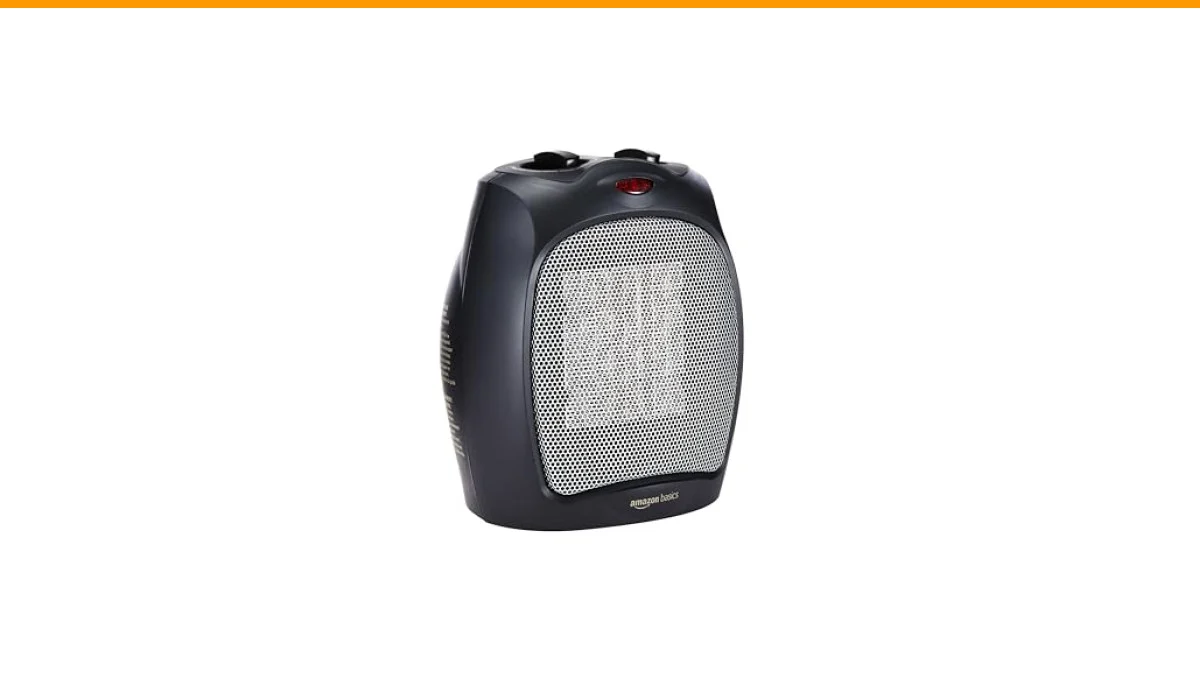
Amazon Basics Ceramic Space Heater, Portable Indoor Heating Solution, With Overheat and Tip-Over Protection, Thermostat, Non-Oscillating, 1500W, 7.52"D x 6.34"W x 9.45"H, Black
- CUSTOMIZABLE HEATING OPTIONS: Choose from three settings to suit your needs - High (1500W), Low (900W), or Fan Only for air circul…
- COMPACT & PORTABLE: Weighing just 3 lbs and sized at 7.5“L x 6.3”W x 9.5“H, this space heater is easy to move and perfect for your…
- Built-in Tip-Over Protection, Overheat Protection, and a Power Indicator Light for safe operation.
For instance, the Amazon Basics Ceramic Space Heater offers a compact and portable option with energy-efficient features, making it a solid choice for many indoor environments.
How Does Each Heater Work?
Understanding how quartz and ceramic heaters operate is key to grasping their advantages. Quartz heaters use infrared technology to produce heat, creating warmth almost instantly. They contain quartz tubes that heat up and emit infrared radiation, effectively warming objects and people directly in their path.
Ceramic heaters, on the other hand, utilize a ceramic plate. This plate heats up when electricity passes through it, and a fan then distributes warm air throughout the room. This method takes a bit longer to warm a space compared to quartz heaters, but it can maintain a more consistent temperature once warmed.
In-Depth Comparison of Quartz vs Ceramic Heaters
Heating Speed and Efficiency
Heating speed is often the most significant factor in selecting a heater. Quartz heaters can typically heat a room in minutes due to their direct heating method. They are excellent for quickly warming up small spaces or providing immediate warmth in larger areas.
Ceramic heaters also provide a quick heat-up time, but they generally take longer to warm a space compared to quartz heaters. If you need instant heat, quartz is the better choice. However, ceramic heaters can maintain warmth more effectively, making them ideal for longer durations.
Cost of Operation and Energy Use
Operating costs are a crucial consideration. Both heater types are relatively energy-efficient, but there are distinctions. Quartz heaters tend to use more power upfront, particularly when set to high settings, which can lead to higher electricity bills if used continuously.
Ceramic heaters, like the Amazon Basics option, offer customizable heating settings (high at 1500W, low at 900W, or fan-only). This versatility allows users to manage energy consumption better. For those looking to save on energy, a ceramic heater may be more cost-effective in the long run.
Safety Features and Concerns
Safety is paramount when selecting a heater. Most modern heaters now come with built-in safety features. Quartz heaters can pose a risk if knocked over, as they can remain hot for a long time. On the other hand, ceramic heaters, such as the Amazon Basics model, are equipped with tip-over protection and overheat protection, ensuring safe operation.
It’s essential to consider the environment in which you are using the heater. For instance, ceramic heaters should not be used in humid areas like bathrooms, while quartz heaters can sometimes be suitable in more diverse settings.
Portability and Design
Portability can significantly influence your choice. Quartz heaters are often lightweight and easy to move around, which is beneficial if you need to heat multiple rooms. However, their design can vary widely between models, and some may lack aesthetic appeal.
Ceramic heaters, especially compact ones like the Amazon Basics model, excel in portability and design. With a weight of just 3 lbs and dimensions of 7.5″L x 6.3″W x 9.5″H, they are easy to transport and fit seamlessly into various settings, from home to office.
Maintenance and Longevity
Maintenance requirements differ between the two types. Quartz heaters generally require less maintenance since they don’t have fans or moving parts. However, the quartz bulbs may need replacement over time.
Ceramic heaters do require some upkeep, especially in cleaning dust and debris from the fan. Regular maintenance can prolong their lifespan, which can be significant, as they often last several years with proper care.
Best Models Reviewed
Top Quartz Heaters
1. **Dr. Infrared Heater DR-988** – This model is known for its efficiency and ability to heat large spaces quickly. With a sleek design, it fits well in various environments.
2. **Lasko 1500-Watt Quartz Heater** – Offers a compact design with adjustable settings, making it a popular choice for personal spaces.
Top Ceramic Heaters
1. **Amazon Basics Ceramic Space Heater** – This model is portable, has customizable heating options, and includes essential safety features, making it a great choice for indoor use.
2. **Lasko 754200 Ceramic Heater** – Known for its powerful heating capabilities and adjustable thermostat, this model provides excellent performance in small to medium-sized rooms.
User Testimonials and Real-World Experiences
Real user experiences can provide valuable insights. Many users of quartz heaters appreciate their rapid heating capabilities, especially in colder climates. They often mention the immediate warmth they feel when using these heaters, particularly in drafty spaces.
Conversely, ceramic heater users highlight the steadiness of warmth over time. They appreciate the ability to set a specific temperature and let the heater maintain it, creating a comfortable environment without constant adjustments.
Environmental Impact of Quartz and Ceramic Heaters
Considering the environmental impact of heating solutions is crucial. Both quartz and ceramic heaters are designed to be energy-efficient, but their environmental footprint can differ based on usage patterns.
Quartz heaters may contribute to higher energy consumption if used frequently at high settings. Ceramic heaters, particularly those with lower power settings, can mitigate energy use and reduce overall emissions. Choosing a heater with better energy efficiency ratings can further enhance your eco-friendliness.
Final Thoughts: Which Heater is Right for You?
- Quartz heaters are ideal for quick heating needs.
- Ceramic heaters excel in maintaining warmth over time.
- Consider your space size when choosing a heater type.
- Evaluate safety features, especially if children or pets are around.
- Portability may influence your decision if you need to move the heater frequently.
- Regular maintenance can enhance the longevity of both heater types.
- Think about your energy consumption habits to select the most cost-effective option.
Choosing between quartz and ceramic heaters comes down to your specific needs. Whether you prioritize speed or energy efficiency, both options have their merits and can provide warmth during chilly days.