Infrared Vs Ceramic Heater: Which Warms Better This Winter?Watch on YouTube
Introduction to Quartz and Ceramic Heaters
When the chill of winter sets in, many of us seek effective ways to keep warm. Space heaters can be a practical solution, but with various types available, choosing the right one can be overwhelming. Two popular options are quartz and ceramic heaters. Both have distinct advantages and disadvantages, making it essential to understand their differences to find the most suitable heating solution for your needs.
This article will break down how quartz and ceramic heaters work, compare their efficiency, safety, and costs, and share user experiences to guide your decision. You will leave equipped with the knowledge to choose the right heater for your situation.

Amazon Basics
Amazon Basics Ceramic Space Heater, Portable Indoor Heating Solution, With Overheat and Tip-Over Protection, Thermostat, Non-Oscillating, 1500W, 7.52"D x 6.34"W x 9.45"H, Black
- CUSTOMIZABLE HEATING OPTIONS: Choose from three settings to suit your needs - High (1500W), Low (900W), or Fan Only for air circul…
- COMPACT & PORTABLE: Weighing just 3 lbs and sized at 7.5“L x 6.3”W x 9.5“H, this space heater is easy to move and perfect for your…
- Built-in Tip-Over Protection, Overheat Protection, and a Power Indicator Light for safe operation.
One excellent example of a ceramic heater is the Amazon Basics Ceramic Space Heater. It offers customizable heating options and safety features, making it an appealing choice for indoor heating.
How Does Each Heater Work?
Understanding how each type of heater operates can help clarify their practical applications. Quartz heaters use quartz bulbs to produce infrared radiation, which directly heats objects and people in the room. This method provides immediate warmth, making quartz heaters effective for spot heating.
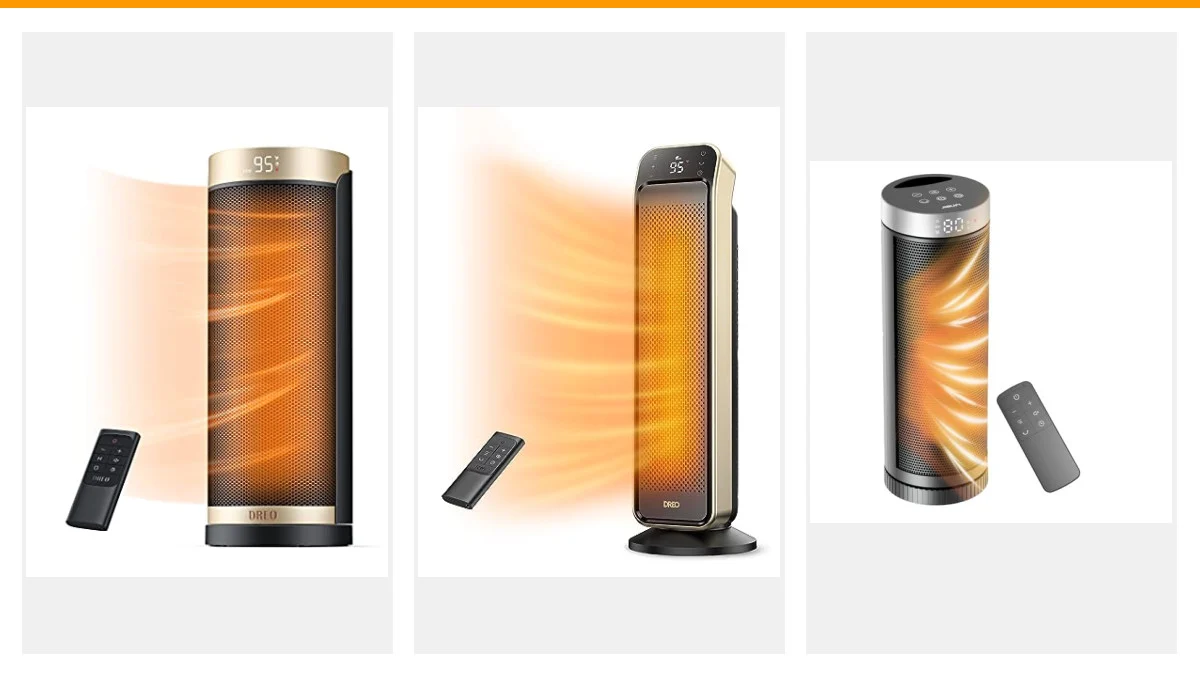
Ceramic heaters, on the other hand, utilize ceramic plates. They heat up and then distribute warmth through a fan or convection. This type of heater tends to warm the air in the entire room, but it may take longer to reach the desired temperature compared to quartz heaters. Both types have unique benefits depending on your heating needs.
In-Depth Comparison of Quartz vs Ceramic Heaters
Heating Speed and Efficiency
Heating speed is a crucial factor when selecting a heater. Quartz heaters are known for their rapid heating capabilities. They can typically raise the temperature of a small space in just a few minutes. For instance, a 1500W quartz heater can effectively warm a 200 square foot room in under 15 minutes.
Ceramic heaters, while efficient, usually take longer to heat a room. They work by warming the air and circulating it, which can take anywhere from 10 to 30 minutes depending on the model and room size. In terms of efficiency, both types can be energy efficient, but quartz heaters may have an edge in quick heating applications.
Cost of Operation and Energy Use
Operating costs can vary based on usage patterns and energy prices in your area. Both quartz and ceramic heaters typically consume around 1500 watts of power, but their operational efficiency can differ. Quartz heaters may use energy more effectively for localized heating, as they directly heat objects rather than the air.
Ceramic heaters, while potentially slower, offer the benefit of heating larger spaces over time. You may find your electricity bill fluctuates less with a ceramic heater if you use it for longer periods. It’s important to evaluate your specific heating needs and patterns to understand which type might be more economical for you.
Safety Features and Concerns
Safety is a vital consideration for any heating device. Most modern quartz heaters are designed with safety features like tip-over protection and overheat shut-off mechanisms. However, they can get quite hot to the touch, posing a burn risk if not handled carefully.
Ceramic heaters generally remain cooler on the exterior, reducing burn hazards. Many also include safety features such as automatic shut-off and cool-touch exteriors. For families with pets or children, ceramic heaters might be a safer option. Both types require regular maintenance and caution to prevent fire hazards, but ceramic heaters often have a slight advantage in safety.
Portability and Design
Portability can play a significant role in your heater choice. Quartz heaters are often lightweight and compact, making them easy to move from one room to another. They can fit snugly in various spaces, both indoors and outdoors, which is ideal for spot heating. However, their design can sometimes be less aesthetically pleasing.
Ceramic heaters come in a variety of designs, often appearing more stylish and modern. Many models are also portable, with built-in handles and lightweight materials. If you plan to move your heater frequently, both options are viable, but consider how important design aesthetics are to you.
Maintenance and Longevity
When it comes to maintenance, both types require attention but in different ways. Quartz heaters may need bulb replacements over time, which can be an added cost. Regularly dusting the unit can help maintain performance.
Ceramic heaters generally require less upkeep and have longer lifespans. As long as they are kept clean and free of obstructions, they can last several years without major issues. Users often report ceramic heaters lasting longer than their quartz counterparts.
Best Models Reviewed
Top Quartz Heaters
When considering quartz heaters, look for models that offer safety features and efficient heating. One popular choice is the Duraflame 3D Infrared Electric Quartz Heater, known for its stylish design and effective heating performance.
Top Ceramic Heaters
The Amazon Basics Ceramic Space Heater is a solid option. It has customizable heating settings, built-in safety features, and a compact design, making it suitable for home or office use. User reviews often highlight its rapid heating capability and portability.
User Testimonials and Real-World Experiences
User feedback provides invaluable insights into the practical aspects of these heaters. Many users of quartz heaters appreciate their immediate warmth, particularly in smaller spaces. For instance, one user noted that their quartz heater quickly made their 150 square foot office comfortable during cold mornings.
Conversely, ceramic heater users often emphasize their ability to maintain consistent warmth throughout a larger area. One homeowner shared that their ceramic heater effectively warmed their living room, creating a cozy atmosphere during family gatherings.
Environmental Impact of Quartz and Ceramic Heaters
Both heater types have environmental considerations. Quartz heaters, while effective, can have a higher carbon footprint if used extensively due to their power consumption. However, their ability to provide spot heating can reduce overall energy usage in some scenarios.
Ceramic heaters tend to have a lower environmental impact when used for longer durations, as they heat spaces more evenly. Additionally, many manufacturers are now focusing on energy efficiency and environmentally friendly materials in their designs. Always look for models that prioritize sustainability when shopping for heaters.
Choosing the Right Heater for Your Needs
- Assess your heating space: Consider the size and layout of the area to determine the heater type that will work best.
- Evaluate speed needs: If you need immediate warmth, quartz heaters might be the better choice.
- Consider energy costs: Think about how often you’ll use the heater and the related energy bills.
- Prioritize safety: Choose models with necessary safety features, especially in homes with kids or pets.
- Think about maintenance: Consider how much upkeep you’re willing to perform.