Many people enjoy the soothing heat of a sauna, finding it a great way to relax and unwind. But if you have varicose veins, you might wonder whether this popular form of self-care is safe for you. Varicose veins can be a source of discomfort and cosmetic concern, so understanding how heat affects them is crucial.
This article will cover the safety of sauna use for individuals with varicose veins, including potential benefits, risks, and practical tips for enjoying sauna sessions. You’ll come away with a clearer understanding of how to incorporate sauna into your wellness routine while managing your condition.

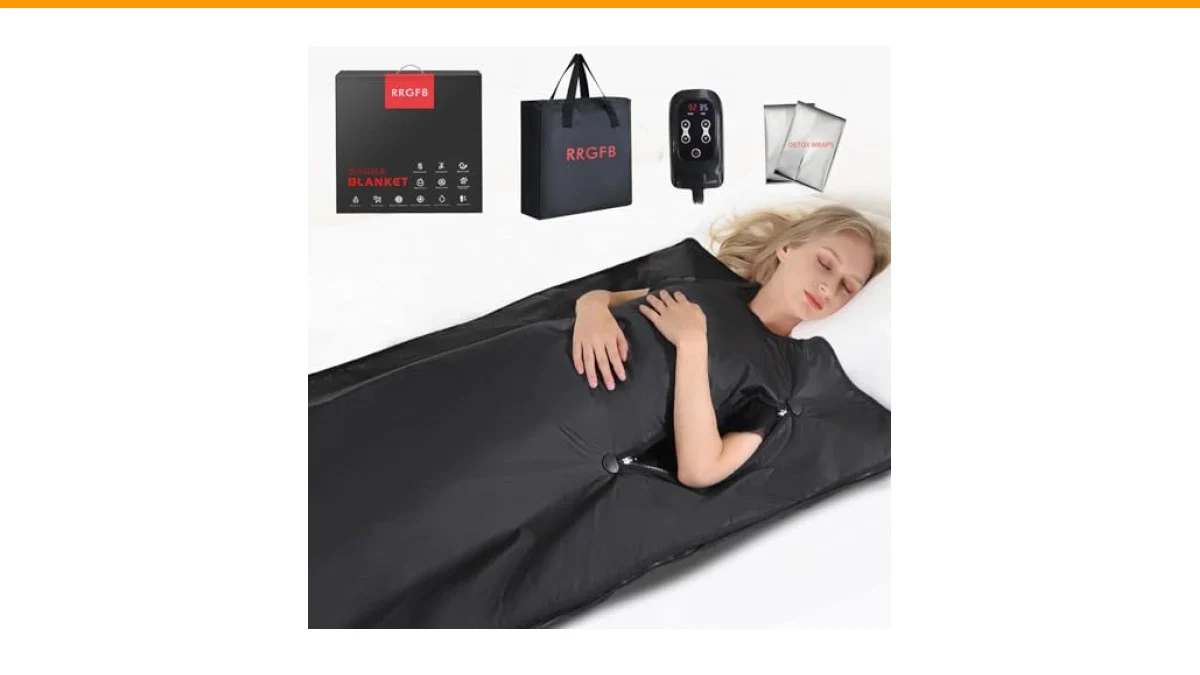
RRGFB
RRGFB Infrared Sauna Blanket for Home Detox, Portable, 6 ft x 2.6 ft | Low-EMF Waterproof Oxford fabric 1-60 min timer Overheat auto shut-off 5 wraps & bag
- Relaxation at Home: Transform your home into a relaxing spa with our sauna blanket. Just 30 minutes of use allows you to unwind an…
- Rejuvenating Sweat Experience: Support your daily wellness routine with a gentle, soothing sweat session. Regular use helps refres…
- Enhanced Blood Circulation: This infrared sauna blanket is designed to improve blood circulation, which can aid muscle recovery an…
If you’re considering a sauna experience at home, the RRGFB Infrared Sauna Blanket could be a good option. This portable blanket allows you to enjoy a relaxing sauna experience, improve blood circulation, and rejuvenate your skin, all while being mindful of your varicose veins.
 Are there any safety concerns with sauna usage if you have high blood pressure or varicose veins?Watch on YouTube
Understanding Varicose Veins and Their Symptoms
Varicose veins occur when veins become enlarged and twisted, often appearing blue or dark purple. They typically form in the legs due to increased pressure in the veins. Symptoms may include:
- Swelling in the legs and ankles
- Aching or heavy feeling in the legs
- Itching around the affected veins
- Skin discoloration
While they are not usually a serious health threat, varicose veins can lead to other complications like blood clots or ulcers. Proper management is essential, especially when considering activities like sauna use.
How Saunas Affect Blood Circulation
Saunas can stimulate blood circulation, which is often beneficial for muscle recovery and relaxation. The heat causes blood vessels to dilate, improving blood flow. However, for those with varicose veins, this dilation can be a double-edged sword. Increased circulation can help relieve discomfort, but it can also increase pressure on already weakened veins.
A study conducted by the Kimmel Institute found that regular sauna use could improve overall vascular health. But individuals with pre-existing conditions, like varicose veins, should exercise caution. Using a sauna for short periods at moderate temperatures can be beneficial, but lengthy sessions at high heat may exacerbate symptoms.
Risks of Sauna Use for Varicose Vein Patients
Before jumping into a sauna, consider the following risks associated with sauna use for people with varicose veins:
- Increased Pressure: Prolonged exposure to heat can increase blood flow and pressure in the veins. This may worsen symptoms such as swelling and pain.
- Dehydration: Saunas can lead to significant fluid loss through sweat. Dehydration can exacerbate circulatory issues, making it crucial to stay hydrated.
- Temperature Sensitivity: Individuals with varicose veins may be more sensitive to high temperatures. This could lead to discomfort or fainting in extreme heat.
Consulting with a healthcare professional is essential before incorporating sauna sessions into your routine, especially if you have severe varicose veins.
Safe Practices for Sauna Use with Varicose Veins
If you decide to use a sauna, consider these safety practices:
- Limit Time: Start with short sessions of about 10-15 minutes and gradually increase as tolerated.
- Cool Down: Allow your body to cool down slowly after each session. Jumping into cold water can shock your system.
- Stay Hydrated: Drink plenty of water before, during, and after your sauna session to prevent dehydration.
- Monitor Symptoms: Pay attention to how your body reacts. If you feel increased pain or discomfort, exit the sauna.
- Consult a Doctor: Always discuss your sauna plans with a healthcare provider, especially if you have significant health concerns.
Following these guidelines can help you enjoy the benefits of a sauna while minimizing risks related to varicose veins.
Comparative Options for Varicose Vein Management
| Method | Description | Benefits | Risks |
|---|---|---|---|
| Sauna | Heat therapy that improves blood circulation. | Relaxation, potential skin benefits. | Increased vein pressure, dehydration. |
| Compression Therapy | Use of compression stockings to support veins. | Reduces swelling, improves circulation. | Discomfort if poorly fitted. |
| Exercise | Regular physical activity to enhance circulation. | Strengthens muscles, reduces symptoms. | Overexertion may worsen symptoms. |
| Elevation | Raising legs to reduce swelling and pressure. | Immediate relief from discomfort. | Not suitable for all situations. |
Common Questions About Sauna Use and Varicose Veins
1. Can sauna use worsen varicose veins?
Yes, excessive heat can increase blood flow and pressure in varicose veins, potentially worsening symptoms. Short, moderate sessions are safer.
2. Is infrared sauna better for varicose veins?
Infrared saunas may be beneficial as they operate at lower temperatures. This could reduce the risk of overheating while still promoting circulation.
3. How often can I use a sauna if I have varicose veins?
Once or twice a week is a reasonable frequency, but always start with shorter sessions and monitor your body’s response.
4. Are there alternative therapies for varicose veins?
Yes, compression therapy, regular exercise, and elevating the legs can all be effective management strategies.
5. Should I consult my doctor before using a sauna?
Absolutely. Consulting your healthcare provider is essential to ensure sauna use is safe for your specific condition.
Final Thoughts on Sauna Use and Varicose Veins
- Monitor your symptoms closely when using a sauna.
- Stay hydrated to avoid complications.
- Limit sauna sessions to 10-15 minutes initially.
- Consider infrared saunas for lower temperatures.
- Consult a healthcare provider regularly about your condition.
- Explore alternative therapies for better management.
- Listen to your body—discontinue use if symptoms worsen.