Imagine you’ve carved out some time in your busy schedule to enjoy a relaxing sauna session, only to discover it’s taking longer than usual to heat up. Frustrating, right? Many sauna enthusiasts face this challenge, and it can dampen the experience. Understanding the reasons behind this delay can help you troubleshoot effectively and get back to your rejuvenating routine.
This article will guide you through the common causes of slow heating in traditional saunas. You’ll learn practical steps to resolve the issue, ensuring your sauna provides the warmth and comfort you expect. If you’re dealing with a malfunctioning heating element, consider the Finlandia 2670W Sauna Heating Element. This replacement part is designed to deliver reliable heat and fits various models, helping restore your sauna’s performance.

Finlandia
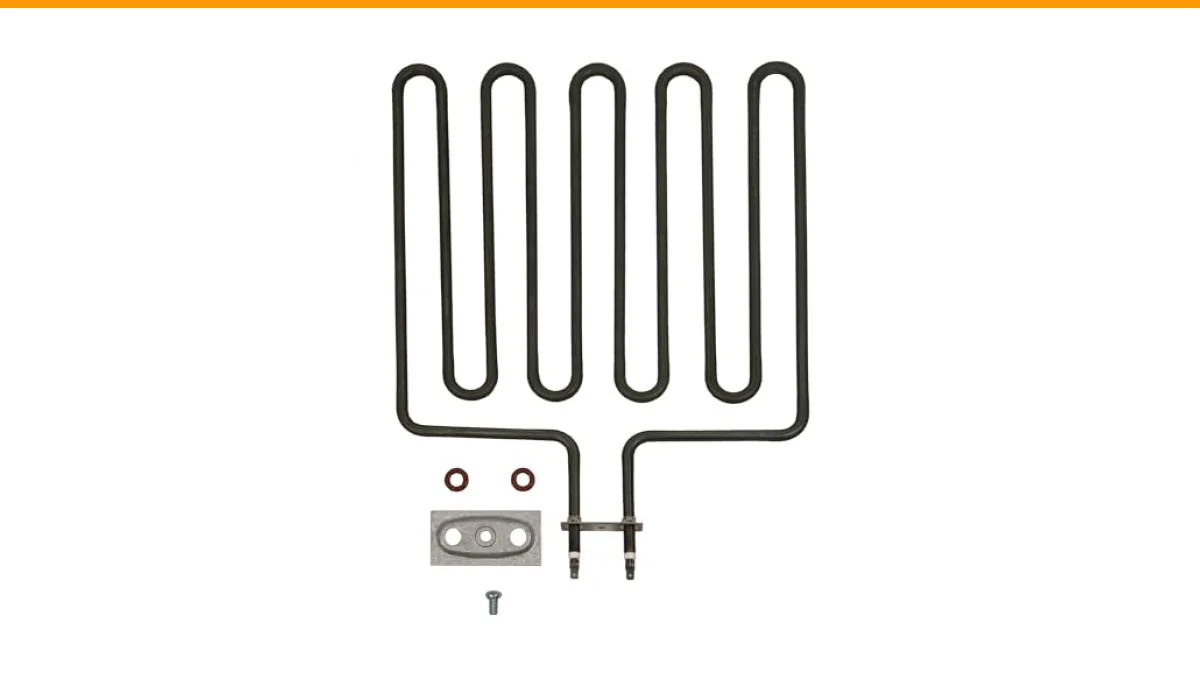
Finlandia 2670W Sauna Heating Element 240V | Replacement for 8000W Heaters | Fits FLB, KIP-B, FIN, KV Models | Durable, Reliable Harvia FH79 / ZSL-316
- POWERFUL HEAT OUTPUT — Delivers 2670 watts of consistent heating power to maintain optimal sauna temperatures.
- COMPATIBLE WITH MULTIPLE MODELS — Designed for FLB/KIP-B, FIN/KIP-W, FIN-3/KIP-W3, and KV series heaters. Three elements are requi…
- BUILT FOR 240V SYSTEMS — Engineered for reliable performance with 240V sauna heaters, ensuring efficient energy use and compatibil…
Understanding the Heating Mechanism
Traditional saunas primarily use electric heaters or wood stoves to generate heat. Electric heaters typically consist of metal heating elements that warm the air and stones within the sauna. These elements need to reach a certain temperature before the sauna becomes comfortable. The average heating time for a traditional sauna can range from 30 to 60 minutes, depending on various factors.
Several components affect heating time:
- Heating Element: The main source of heat; if it’s underperforming, the sauna will heat slowly.
- Insulation: Proper insulation retains heat; poor insulation leads to energy loss.
- Air Circulation: A well-designed sauna allows for optimal air circulation, promoting even heating.
- Humidity Levels: High humidity can slow down heating as moisture absorbs heat energy.
Common Reasons for Slow Heating
Several factors can contribute to a traditional sauna taking longer than usual to heat up. Here are the most common culprits:
1. Aging Heating Elements
Heating elements don’t last forever. Over time, they can accumulate mineral buildup or simply wear out. If your sauna is older, check the condition of the heating elements. A weak or failing element might not generate enough heat to warm the entire sauna effectively. If you suspect issues, replacing the heating element with a durable option, like the Finlandia 2670W model, can restore performance.
2. Inadequate Insulation
Poor insulation can significantly impact your sauna’s heating efficiency. If you notice your sauna feels colder than usual, check for gaps or cracks in the walls, ceiling, or door. Insulation should be tight and intact to prevent heat loss. Upgrading insulation materials can make a noticeable difference.
3. Improper Airflow
Airflow is crucial in maintaining even heating. If vents are blocked or positioned incorrectly, it can lead to uneven temperatures. Ensure that air can circulate freely around the sauna. Sometimes, rearranging seating or removing any obstructions can help improve airflow and speed up heating.
4. High Humidity Levels
Humidity plays a significant role in how quickly a sauna heats up. If the sauna has been used recently, residual moisture can slow down the heating process. It might take longer for the heater to raise the temperature in a humid environment. Consider using a dehumidifier or simply allowing the sauna to dry out between uses.
Practical Troubleshooting Steps
Now that you know the potential reasons for a slow heating sauna, let’s look at how to troubleshoot these issues effectively:
- Inspect the Heating Element: Check for any signs of damage or corrosion. If the element looks worn, replace it.
- Examine Insulation: Look for gaps or damage in the insulation. Repair or replace any compromised areas.
- Improve Airflow: Clear any obstructions around vents and seating areas to enhance circulation.
- Monitor Humidity: After use, allow the sauna to ventilate. Consider running the sauna at a lower humidity level during sessions.
- Regular Maintenance: Schedule regular checks for all components, including the heater, insulation, and ventilation systems.
Heating Element Options
When looking to replace your sauna’s heating element, consider the following options:
| Heating Element | Power Output | Compatibility | Durability |
|---|---|---|---|
| Finlandia 2670W | 2670W | FLB/KIP-B, FIN/KIP-W, FIN-3/KIP-W3, KV | High |
| Harvia FH79 | 3000W | Harvia Models | Medium |
| ZSL-316 | 3200W | Compatible with various brands | Medium |
| Generic 240V Heater | Varies | Universal Fit | Variable |
Frequently Asked Questions
Why is my sauna taking longer than usual to heat up?
Common reasons include aging heating elements, inadequate insulation, poor airflow, and high humidity levels, all of which can slow down the heating process.
How can I tell if my heating element needs replacing?
If your sauna is taking significantly longer to heat up or if the heat output seems inconsistent, it might be time to replace the heating element.
What should I do if my sauna is not heating evenly?
Check for blockages in air vents, ensure proper insulation, and monitor humidity levels. Adjusting these factors can help improve even heating.
How long should a sauna take to heat up?
Typically, a traditional sauna takes about 30 to 60 minutes to reach optimal temperature. Factors like heater power and sauna size can affect this time.
Can I use my sauna while it’s heating up?
It’s best to wait until the sauna reaches the desired temperature before entering. This ensures a comfortable experience and allows the sauna to heat evenly.
Final Thoughts
- Inspect your heating elements regularly for signs of wear.
- Ensure proper insulation to maintain heat effectively.
- Check airflow and clear any obstructions.
- Monitor humidity levels to avoid excessive moisture.
- Consider replacing outdated heating elements with reliable options like the Finlandia 2670W.
- Perform routine maintenance checks to keep your sauna in top condition.
- If issues persist, consult a professional for further assistance.