Winter nights can be long and chilly, leaving many of us reliant on space heaters for warmth. Imagine coming home after a long day, only to find your space heater is taking its sweet time to warm up the room. You might wonder why a device designed to create heat doesn’t do so quickly or effectively. Understanding the reasons behind a space heater’s slow heating can help you troubleshoot issues and improve its performance.
This article will explore common factors that contribute to slow heating, tips for optimizing performance, and product recommendations to consider for immediate warmth. After reading, you’ll be equipped to tackle those chilly nights with a more effective heating strategy.

DREO
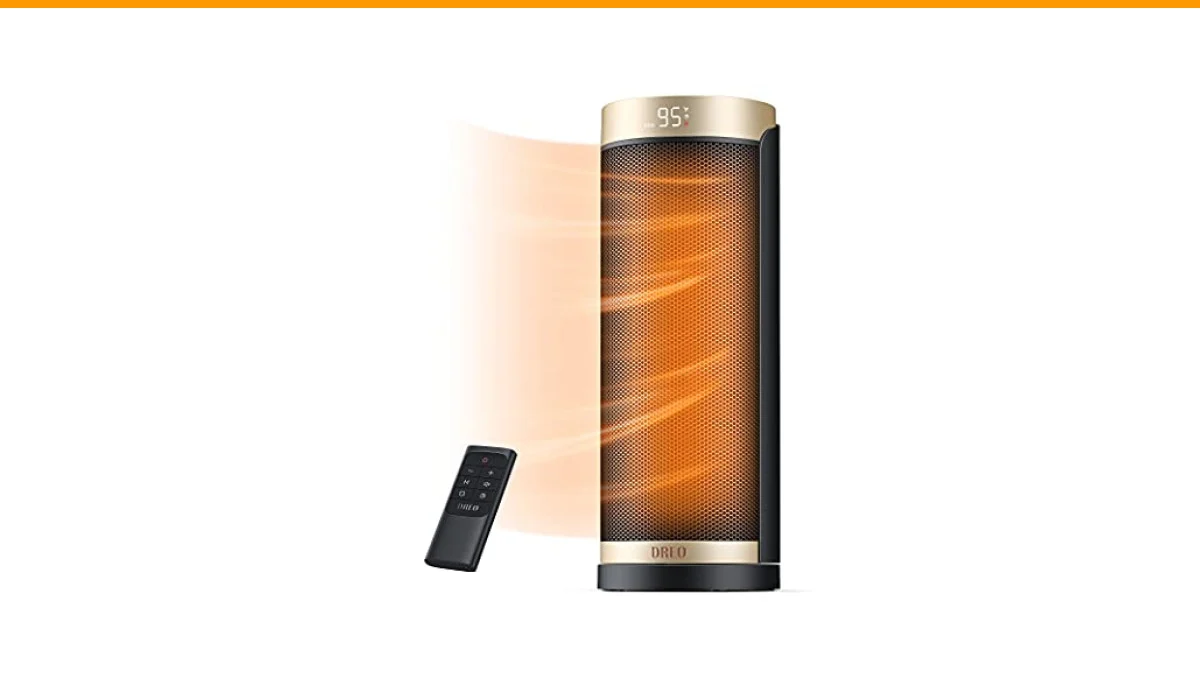
DREO Space Heaters for Indoor Use with Thermostat, 1500W Electric Heaters | Fast Heating, Quiet Operation, 70° Oscillation, Remote Control, 12H Timer, ECO Mode, ETL-Certified Safety Heat for Large Room
- ETL-Certified Safety: Made of V0 flame-retardant materials with multiple safety features including built-in smart tip-over protect…
- Fast Indoor Ceramic Heater: Powerful 1500W PTC ceramic heating allows this space heater to heat up in seconds, suitable for warmin…
- Quiet Heating: 34dB - almost as quiet as a library. The fan wheel uses oblique airflow technology, which effectively reduces wind…
One option to consider is the DREO Space Heater for Indoor Use. This model features a powerful 1500W heating capability and a range of safety features, making it a reliable choice for quickly warming your space.
Factors Affecting Space Heater Performance
Several factors can contribute to a space heater being slow to heat a room. Understanding these can help you determine whether the heater is functioning as intended or if adjustments are needed.
1. Heater Type
The type of space heater you use significantly impacts how quickly it heats a room. Common types include:
- Convection Heaters: These heaters work by warming the air, which then circulates through the room. They can take longer to achieve a comfortable temperature.
- Radiant Heaters: These heaters emit infrared radiation, directly warming objects and people in their path, making them usually quicker to heat a small area.
- Fan-forced Heaters: These combine convection heating with a fan to distribute warm air quickly. They typically heat up faster than convection-only models.
2. Room Size and Insulation
The size of the room plays a crucial role in heating efficiency. A heater designed for a small room may struggle to heat a larger space. Additionally, poor insulation can lead to heat loss, making the heater work harder and longer to achieve the desired temperature. For instance, a 1500W heater may adequately heat a space up to 150 square feet, but you might need a more powerful model for larger areas.
3. Ambient Temperature
External weather conditions also affect heater performance. If the room is significantly colder than usual, the heater will take longer to raise the temperature. For example, if outside temperatures drop to freezing levels, expect your heater to take more time to warm the space.
4. Maintenance Issues
Over time, dust and debris can accumulate in and around the heater, obstructing airflow. Regular cleaning and maintenance are essential to ensure optimal performance. For instance, checking the air intake and fan for blockages can significantly improve heating efficiency.
Improving Your Space Heater’s Efficiency
Here are some actionable steps to enhance your space heater’s heating capabilities:
- Choose the Right Heater: Select a heater type suited to your space and needs. For instance, if you have a large area, consider a fan-forced or radiant heater.
- Seal Drafts: Use weather stripping or caulking to seal windows and doors. This reduces heat loss and allows the heater to work more efficiently.
- Optimize Placement: Position the heater in a central location and away from furniture or curtains that might obstruct airflow.
- Use a Timer: Consider using a timer or programmable thermostat to ensure the heater operates only when needed, enhancing energy efficiency.
- Regular Maintenance: Clean the heater regularly and check for any mechanical issues that might impede performance.
Comparison of Space Heater Types
| Heater Type | Heating Speed | Room Size Suitability | Energy Efficiency |
|---|---|---|---|
| Convection Heater | Slow | Medium to Large | Moderate |
| Radiant Heater | Fast | Small to Medium | High |
| Fan-forced Heater | Moderate | Medium to Large | High |
Frequently Asked Questions
Why is my space heater blowing cold air?
A space heater may blow cold air if it has a fan mode without heating elements activated. It could also indicate that the heater is malfunctioning or that the thermostat has reached the desired temperature.
How long does it take for a space heater to warm a room?
The time it takes depends on the heater’s type, wattage, and room size. Generally, a powerful heater can warm a small room in 15-30 minutes.
Can I leave my space heater on overnight?
While many modern space heaters have safety features for overnight use, it’s essential to consider safety practices. Ensure it’s on a stable surface, away from flammable materials, and ideally unplug it when not in use.
What features should I look for in a space heater?
Look for safety certifications, adjustable thermostats, energy-saving modes, and features like oscillation for better heat distribution.
Is a space heater more efficient than central heating?
In some cases, using a space heater can be more efficient for heating a single room compared to central heating, especially if you only need to heat a small area. This approach can save on energy costs.
Final Thoughts for Efficient Heating
- Choose the right type of heater for your space.
- Seal drafts to retain heat.
- Position the heater optimally for better airflow.
- Regularly maintain the heater for peak performance.
- Consider smart features like timers and thermostats.
- Monitor ambient temperatures and adjust expectations accordingly.
- For quick warmth, consider the DREO Space Heater with its fast heating capabilities and safety features.



